How to Document Mold for Your Landlord

If you rent and there is mold, your leverage is documentation. A calm, dated paper trail — photos, a written notice, and ideally an independent test — turns “I think there’s mold” into a record your landlord, a mediator, or a court can act on. Do this early and methodically, before it becomes a dispute.

Build the record
- Photograph everything, dated — the visible growth, the water source (a leak, a window, a wall), and any damaged belongings. Wide shots for context, close-ups for detail.
- Note the timeline — when you first noticed it, when it got worse, and any smell or symptoms, in a simple running log.
- Keep it factual — describe what you see and when, not conclusions about health; that keeps the record credible.
Put your landlord on notice in writing
Verbal reports vanish. Send a dated written notice (email or letter) describing the problem, referencing your photos, and requesting repair within a reasonable time. Keep a copy. In most places a landlord has a duty to maintain a habitable home and to address moisture intrusion; a written request starts that clock and preserves your position.

Independent testing strengthens your case
A landlord can wave off a phone photo; an independent dust analysis or an air-sampling test kit is harder to dismiss. It documents that something is genuinely elevated and gives a baseline to compare against after any remediation — proof the problem was real and whether it was actually fixed.
Protect yourself while it gets resolved
While you push for repairs, reduce your own exposure: keep humidity down and run capable air filtration such as a HEPA-plus-carbon purifier in the rooms you use most. Know your local tenant rights — many areas have specific rules and timelines for habitability and repairs — and escalate through the proper channels if the written request is ignored. This is general information, not legal advice; for a serious dispute, talk to a local tenant-rights resource or attorney.
Sources and further reading
This article is educational guidance, not medical advice. The primary sources below inform this section of the site — each is republished here in full, and linked to the original publisher so you can read it at the source.
- EPA — A Brief Guide to Mold, Moisture and Your Home — original at epa.gov
- EPA — Mold and Health — original at epa.gov

The Dust Test
A mail-in kit that analyzes settled household dust for mold and mycotoxin markers, so the result reflects a room over time rather than a single moment of air.
Use it when: When you want a dust-based read that represents a space, not just this minute's air.
Shop The Dust Test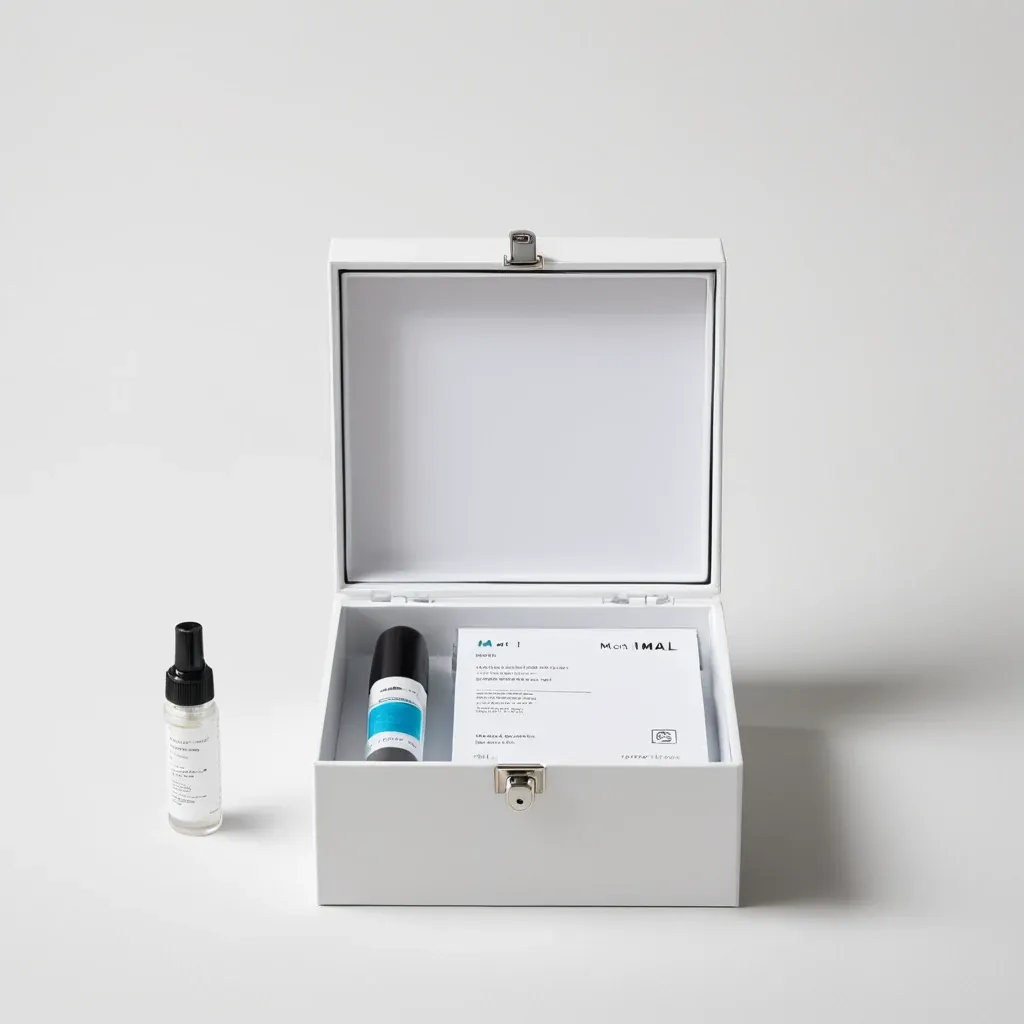
GOT MOLD?
A mail-in air-sampling kit that collects a room's airborne spores for independent lab analysis.
Use it when: When you want a clear, calm read on what's actually in the air.
Shop GOT MOLD?Looking for the right gear?
Browse the full toolkit by category.
Educational Disclaimer
This content is educational and does not constitute medical advice, diagnosis, or treatment. Mold-related illness is an area where the science is still developing — where a claim is contested, the article says so. Always work with a qualified clinician on health decisions, and with licensed professionals on remediation. Some links may be affiliate links; that never changes a recommendation.