Musty Smell but No Visible Mold? Here's What That Actually Means

A musty, earthy smell with nothing visible is one of the most common mold situations — and one of the most misread. The smell is real, it means something specific, and “I can’t see it” is not the reassurance it feels like.

The smell is a gas, and it has a name
That musty odor is mVOCs — microbial volatile organic compounds, the gases fungi release as they grow. You are, quite literally, smelling active mold metabolism. Because it is a gas, it travels: the smell can be strong in a room whose mold is inside a wall, under the floor, or in the HVAC — nowhere you can see.
Where hidden mold usually is
- Inside wall cavities near past leaks or plumbing runs.
- Under flooring or behind baseboards.
- In the HVAC system and ducts — the smell gets stronger when the system runs.
- Crawlspaces and basements, then carried upstairs by stack effect.

Why “I can’t see it” isn’t reassurance
Mold only becomes visible once it reaches a surface. A wall cavity can hold a substantial colony with nothing showing on the paint. The smell is often the earliest — and sometimes the only — signal, which is exactly why taking it seriously beats waiting for a stain to appear.
How to find what you’re smelling
Trust the nose, then confirm. Follow the smell: is it stronger by one wall, when the AC runs, or in a particular closet? A dust-based test can tell you whether the mold burden is elevated even when nothing is visible — GOT MOLD? and My Mold Detective analyze settled dust rather than a swab of a clean surface, which is what you want when the source is hidden.
In the meantime
While you track the source, a carbon-based air purifier reduces the mVOC odor (it will not fix the cause) — EnviroKlenz is built for that. But the odor returning whenever filtration stops is your confirmation that the source is still there. Find the moisture, fix it, and the smell goes with it.
Sources and further reading
This article is educational guidance, not medical advice. The primary sources below inform this section of the site — each is republished here in full, and linked to the original publisher so you can read it at the source.
- EPA — A Brief Guide to Mold, Moisture and Your Home — original at epa.gov
- EPA — Ten Things You Should Know About Mold — original at epa.gov
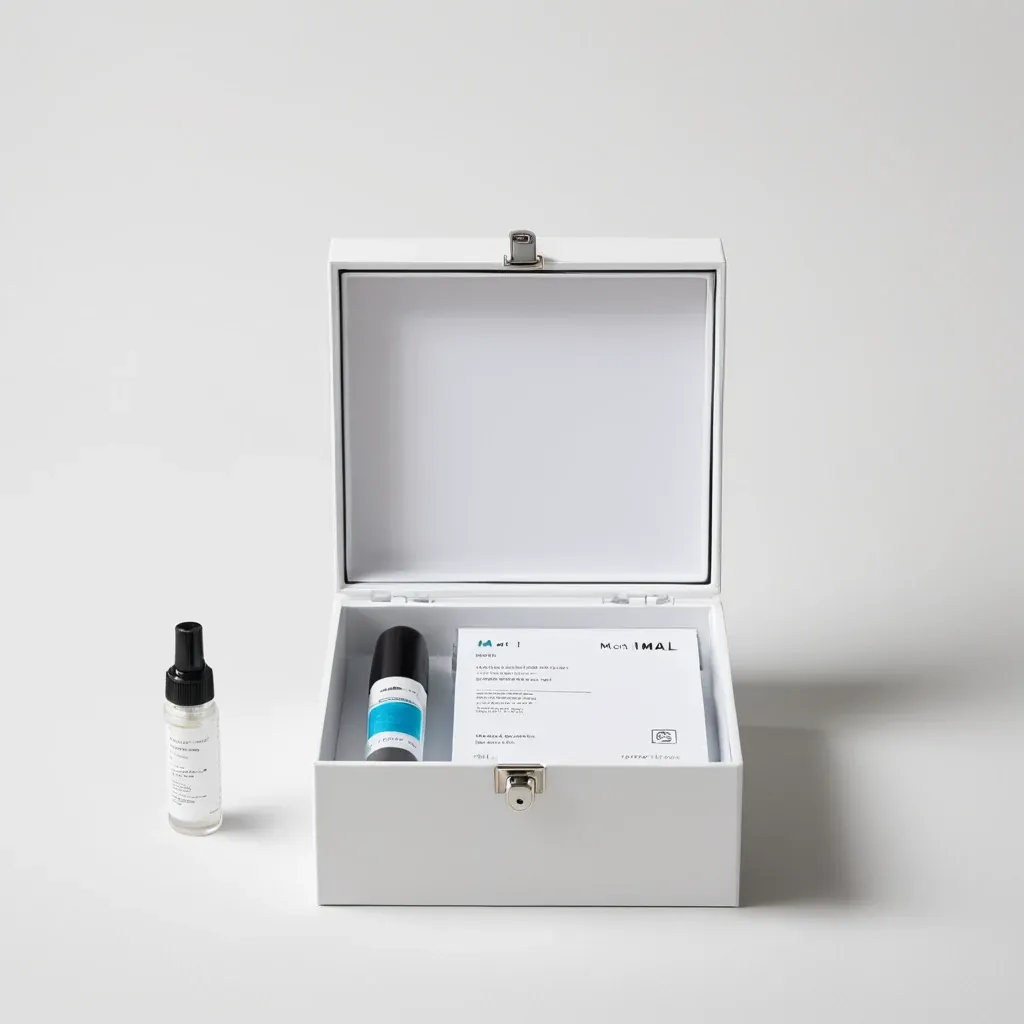
GOT MOLD?
A mail-in air-sampling kit that collects a room's airborne spores for independent lab analysis.
Use it when: When you want a clear, calm read on what's actually in the air.
Shop GOT MOLD?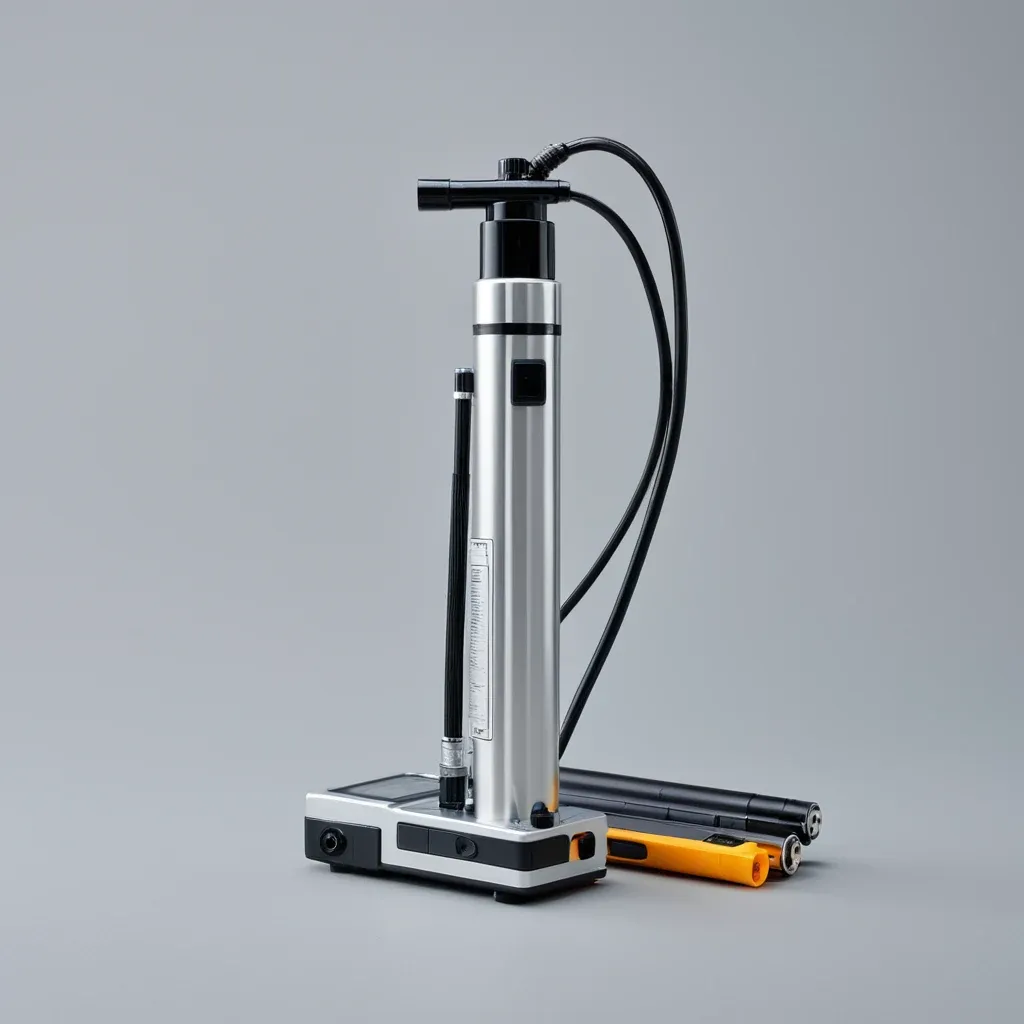
My Mold Detective
A reusable air-pump sampler with lab-analyzed cassettes for repeat testing.
Use it when: When you plan to test more than once, before and after.
Shop My Mold DetectiveLooking for the right gear?
Browse the full toolkit by category.
Educational Disclaimer
This content is educational and does not constitute medical advice, diagnosis, or treatment. Mold-related illness is an area where the science is still developing — where a claim is contested, the article says so. Always work with a qualified clinician on health decisions, and with licensed professionals on remediation. Some links may be affiliate links; that never changes a recommendation.