Can You Save Clothes After Mold Exposure? What to Wash, What to Toss

Mold on or around your clothes raises two questions: is it safe to wear them again, and what actually removes mold from fabric? The answer depends on the fabric and how deep it went.
Washable fabrics: usually salvageable
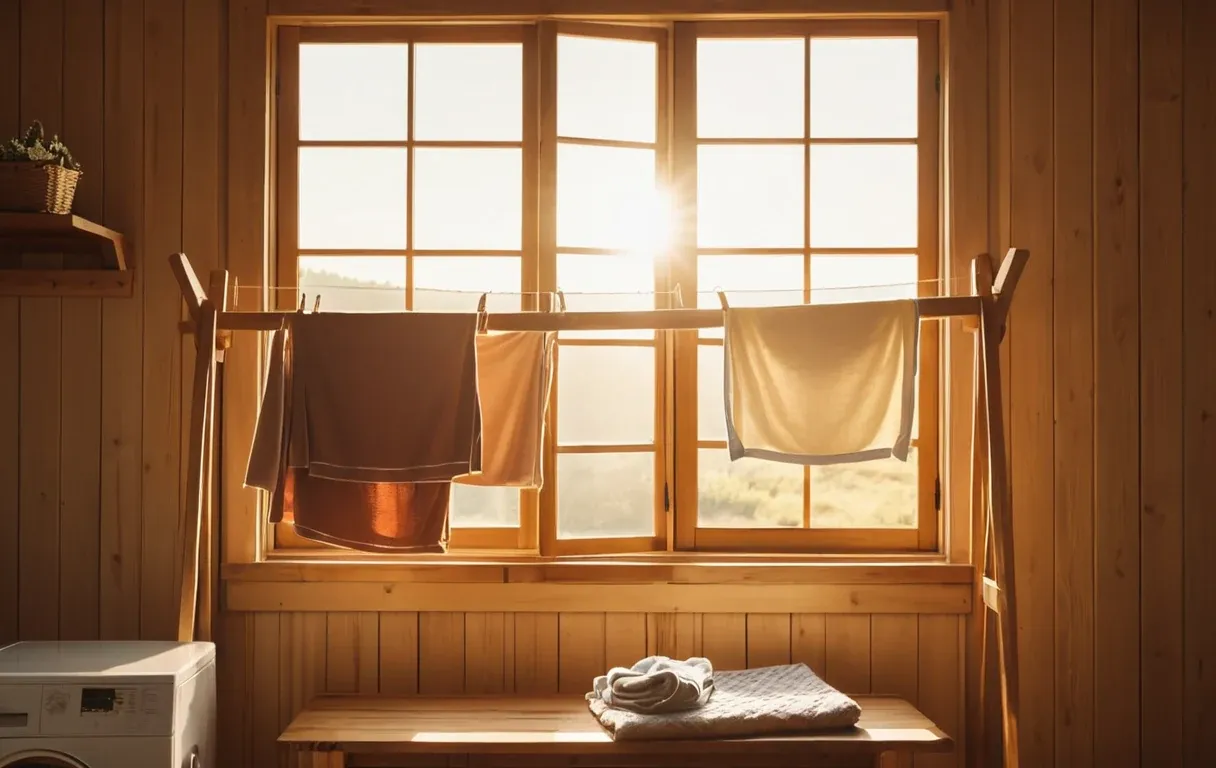
Most washable clothing can be saved if you act before mold sets in. Wash in the hottest water the fabric allows and add a mold-capable cleaner — plain detergent alone often is not enough. Non-toxic options like Branch Basics or Force of Nature clean without harsh residue and without bleaching colors. Then dry fully in sun or a hot dryer; leftover dampness is what let mold start in the first place.
The smell test after washing
If a musty smell survives a hot wash, mold or its byproducts are still in the fibers. Re-wash with a longer soak; if it persists after two washes, the item is usually not worth keeping for a mold-sensitive person.
What to toss
- Porous, hard-to-launder items that were visibly moldy — some shoes, foam-padded pieces, structured hats.
- “Dry clean only” items with visible growth — tell the cleaner it is mold.
- Anything that still smells after repeated hot washing.
Don’t forget the closet itself
Clothes re-mold if you return them to a damp closet. Dry the space, improve airflow, and keep humidity in check. Once surfaces are dry, a surface probiotic like Homebiotic can help maintain a healthier microbiome on them — upkeep, not a fix for damp.
The rule of thumb
Washable and caught early: save it. Porous, structured, or still smelly after two hot washes: let it go. And fix the moisture in the space, or you will be having this same conversation next season.
Sources and further reading
This article is educational guidance, not medical advice. The primary sources below inform this section of the site — each is republished here in full, and linked to the original publisher so you can read it at the source.
- EPA — Mold Cleanup in Your Home — original at epa.gov
- EPA — A Brief Guide to Mold, Moisture and Your Home — original at epa.gov
- CDC/NIOSH — Mold, Testing, and Remediation — original at cdc.gov
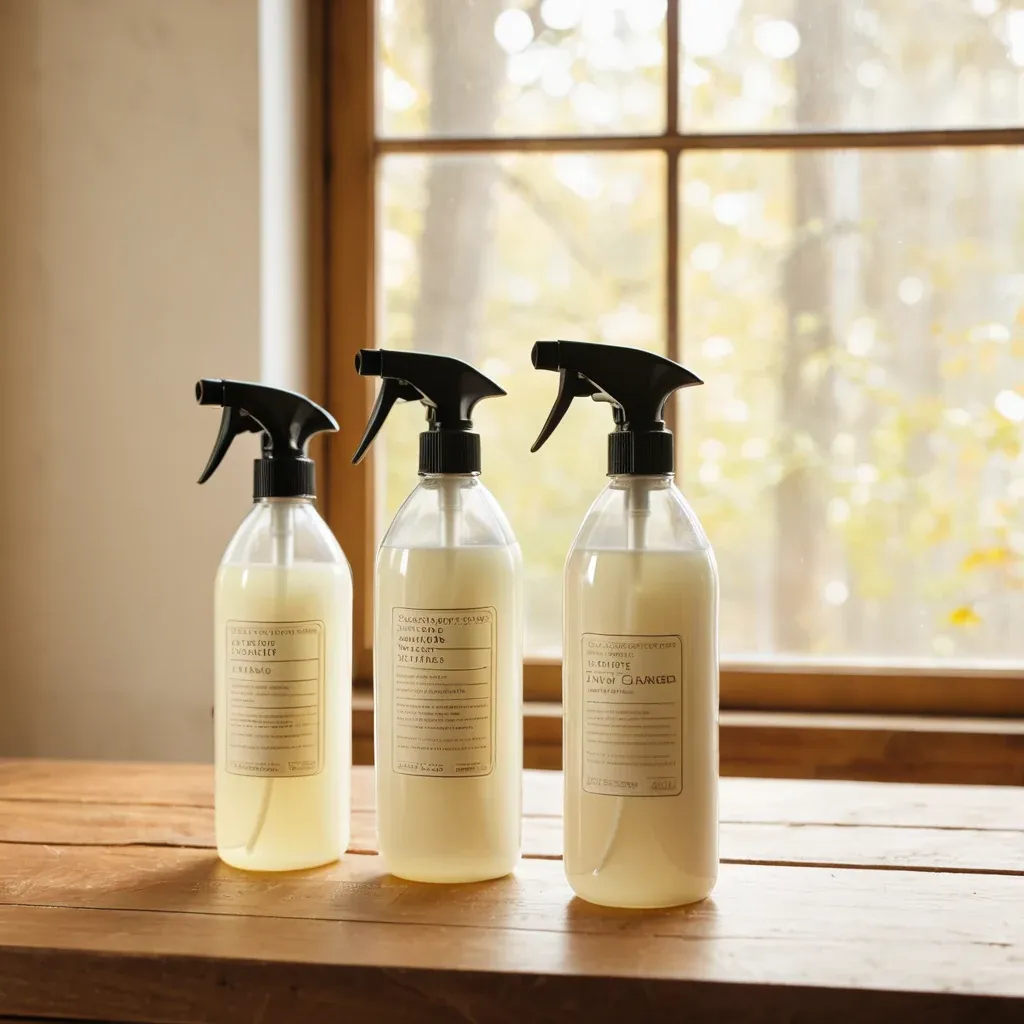
Branch Basics
A plant-based concentrate that makes several fragrance-free cleaners from one bottle.
Use it when: For fragrance-free cleaning when you're chemically sensitive.
Shop Branch Basics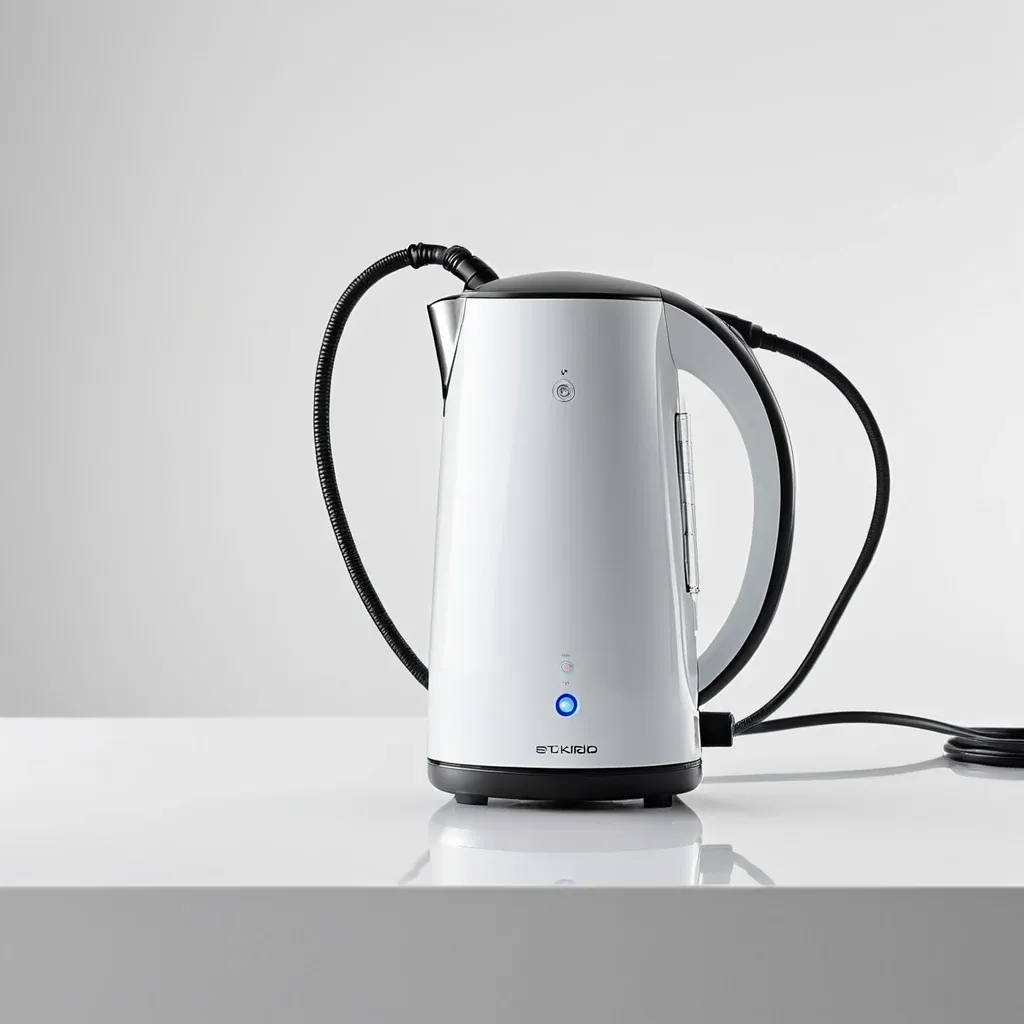
Force of Nature
A small appliance that turns salt water into a fragrance-free multi-surface cleaner.
Use it when: When you want an unscented cleaner made fresh at home.
Shop Force of NatureLooking for the right gear?
Browse the full toolkit by category.
Educational Disclaimer
This content is educational and does not constitute medical advice, diagnosis, or treatment. Mold-related illness is an area where the science is still developing — where a claim is contested, the article says so. Always work with a qualified clinician on health decisions, and with licensed professionals on remediation. Some links may be affiliate links; that never changes a recommendation.