Does Bleach Kill Mold? No — and Here's Why It Often Makes It Worse

Reaching for bleach is the reflex. It is also the wrong tool for most mold, and on the surfaces where mold actually takes hold it can leave you worse off than before. Here is what bleach does, what it does not, and what the EPA recommends instead.
What bleach actually does to mold
Household bleach is mostly water, with a small amount of sodium hypochlorite and a surfactant. On a hard, non-porous surface — glass, sealed tile, a bathtub — it can kill surface mold and lift the stain. The problem is that the mold you actually care about is rarely on glass. It is in drywall, wood, grout, and insulation: porous materials.
On porous materials, bleach leaves the roots and adds water
Mold sends root-like hyphae down into porous material. The active ingredient in bleach stays mostly on the surface and does not penetrate well, so it bleaches the stain you can see while leaving the growth beneath it alive. What does soak in is the water bleach is mostly made of — and water is the one thing mold needs to grow. Days later the stain returns, sometimes worse, fed by the moisture you just added. This is why the EPA does not recommend routine bleaching for mold cleanup and notes it is not required.
What the EPA actually recommends
The guidance is simple and unglamorous: scrub hard surfaces with detergent and water, dry them completely, and for porous materials that are moldy, remove and replace them rather than trying to disinfect them in place. Above all, fix the moisture source. Mold cannot grow without water, so the leak or the humidity behind the stain is the real target.
Safer cleaners that do the wipe-down without the fumes
For the hard-surface cleaning step you do not need bleach fumes, which is worth avoiding if you are already mold-sensitive. Branch Basics and Force of Nature are non-toxic cleaners that handle the wipe-down without the respiratory irritation bleach causes. For ongoing upkeep in an already-dry space, maintenance products like CitriSafe can help keep surfaces in check — a maintenance tool, not a cure for an active moisture problem.
The one thing that actually matters
Fix the water. A surface you can wipe is a symptom; the leak, the humidity, or the condensation behind it is the cause. Handle the moisture and the mold has no reason to return — with or without bleach.
Sources and further reading
This article is educational guidance, not medical advice. The primary sources below inform this section of the site — each is republished here in full, and linked to the original publisher so you can read it at the source.
- EPA — Mold Cleanup in Your Home — original at epa.gov
- EPA — A Brief Guide to Mold, Moisture and Your Home — original at epa.gov
- CDC/NIOSH — Mold, Testing, and Remediation — original at cdc.gov
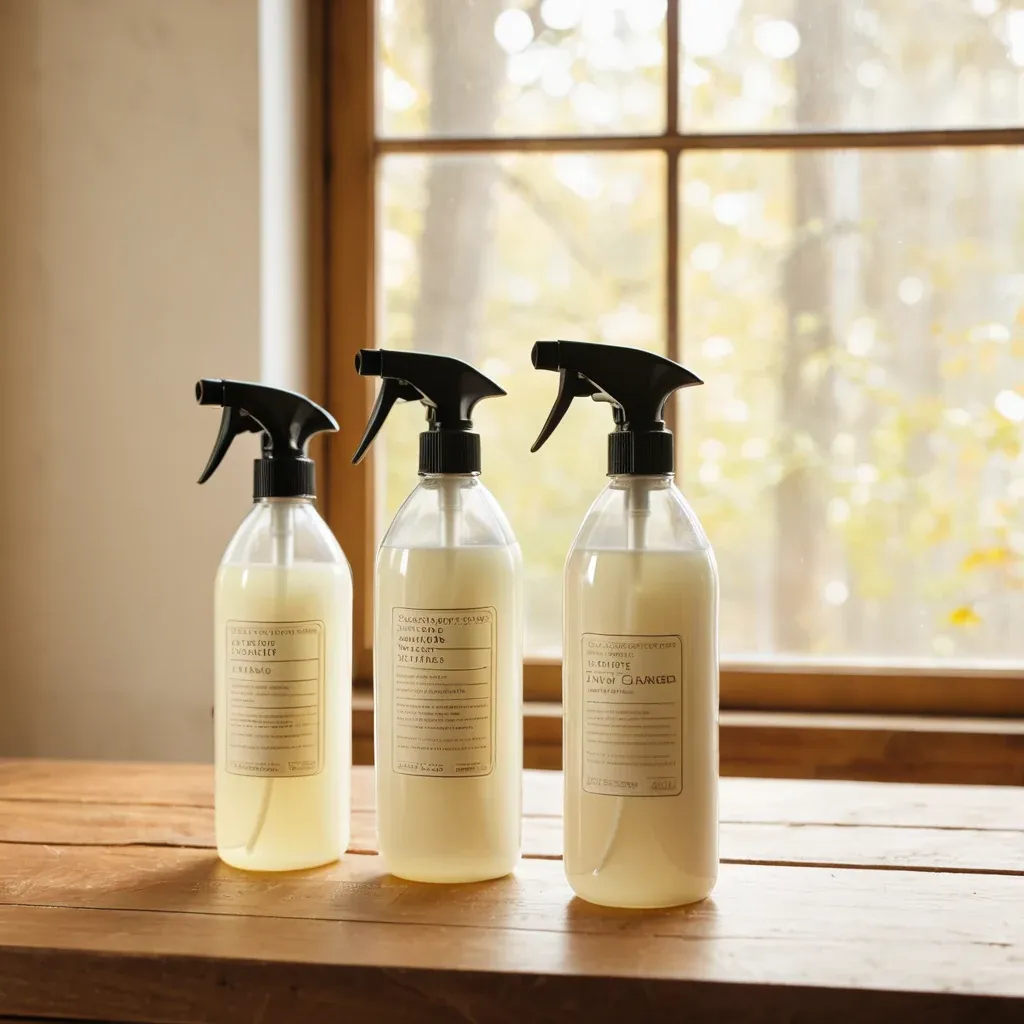
Branch Basics
A plant-based concentrate that makes several fragrance-free cleaners from one bottle.
Use it when: For fragrance-free cleaning when you're chemically sensitive.
Shop Branch Basics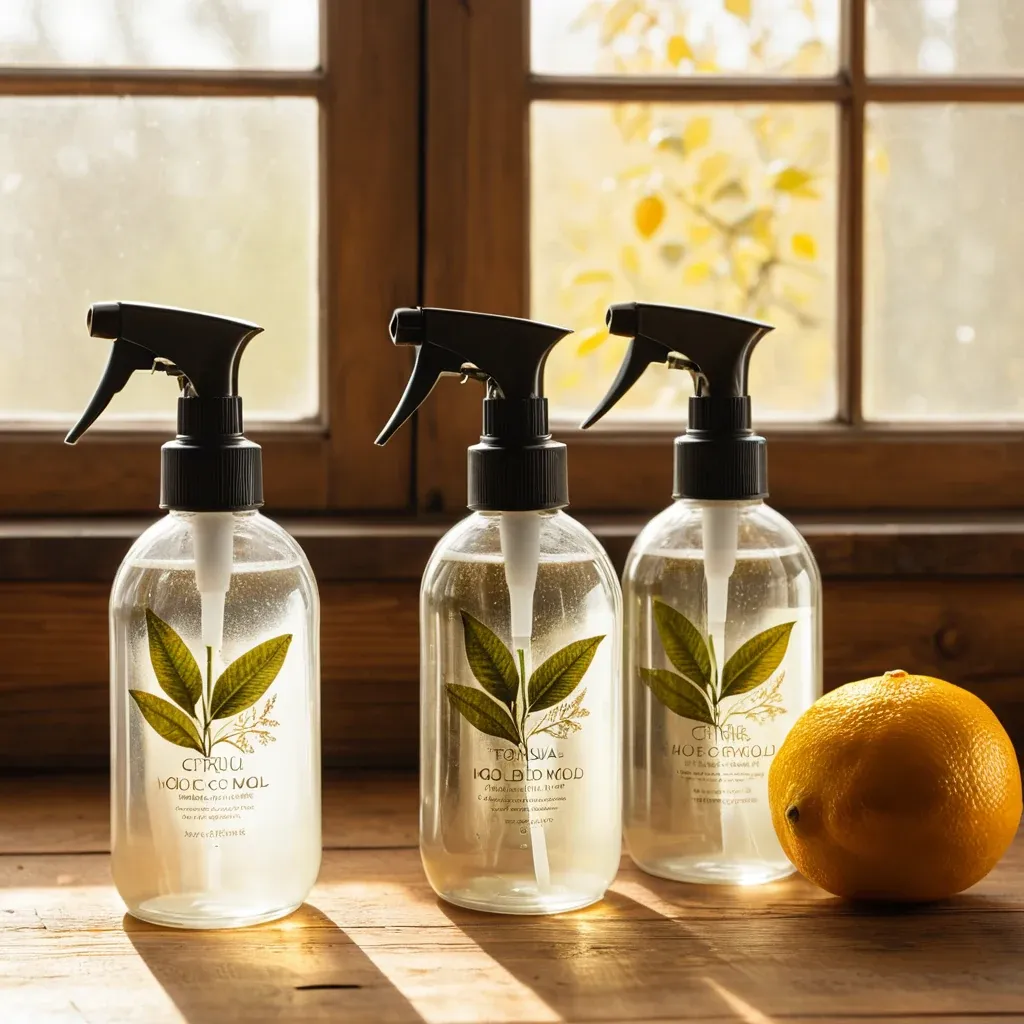
CitriSafe
A line of botanical mold-control sprays and fogging solutions for treating surfaces and fabrics.
Use it when: For routine surface treatment between deep cleans.
Shop CitriSafeLooking for the right gear?
Browse the full toolkit by category.
Educational Disclaimer
This content is educational and does not constitute medical advice, diagnosis, or treatment. Mold-related illness is an area where the science is still developing — where a claim is contested, the article says so. Always work with a qualified clinician on health decisions, and with licensed professionals on remediation. Some links may be affiliate links; that never changes a recommendation.