Mold Is Not a Cleaning Problem — It Is a Moisture Problem

You cannot remove every mold spore from a building, and you do not need to. Mold only grows where there is water. Fix the water and you remove the reason mold is there at all. [EPA — Ten Things You Should Know about Mold]
Act inside this window: dry wet or damp materials within 24 to 48 hours and, in most cases, mold will not grow. [EPA — A Brief Guide to Mold, Moisture and Your Home] After that, you are no longer preventing a problem — you are remediating one.
Health effects vary from person to person
Potential health effects and symptoms associated with mold exposure include allergic reactions, asthma, and other respiratory complaints. [EPA Ten Things; EPA Mold and Health] Sensitivity differs widely between individuals: the same room can leave one person unaffected and another symptomatic. [CDC; NIEHS]
If you think your health is being affected, that is a conversation for a clinician who knows your history — not a website. What this site can do is help you find and remove the moisture source.
About 10 square feet is the dividing line
If the moldy area is less than roughly 10 square feet — about a 3 ft by 3 ft patch — in most cases you can handle the cleanup yourself. [EPA Brief Guide]
If there has been a lot of water damage, or growth covers more than 10 square feet, follow EPA's remediation guidance or bring in a professional. [EPA Brief Guide]
Clean mold off hard surfaces with water and detergent and dry completely. Absorbent materials such as ceiling tiles may simply need to be replaced — you cannot reliably clean mold out of them. [EPA Ten Things; EPA Mold Cleanup]
If you can see it, you usually do not need to test for it
In most cases, if visible mold growth is present, sampling is unnecessary. There are no federal limits set for mold or mold spores, so a sample cannot tell you whether a building passes or fails a standard — because no such standard exists. [EPA Brief Guide]
Sampling has real uses — confirming an area was adequately cleaned, for instance — but it should be designed and interpreted by someone with specific expertise. [EPA Brief Guide]
Control the humidity, control the mold
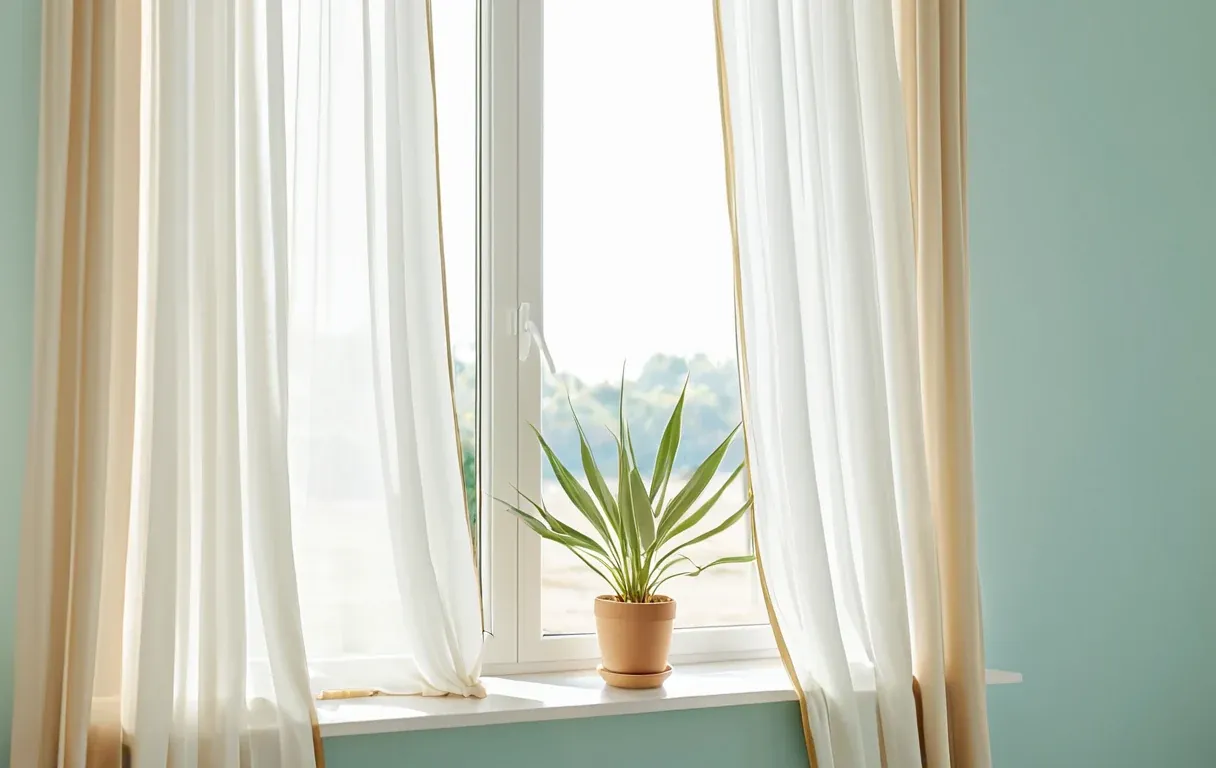
Keep indoor humidity below 60 percent, and ideally between 30 and 50 percent. [EPA Brief Guide] A humidity meter costs very little and turns a guess into a number.
Vent moisture-producing appliances outside, add insulation to cut condensation on cold surfaces, and avoid carpet anywhere with a persistent moisture problem. [EPA Ten Things]
Sources
[1] EPA — Ten Things You Should Know about Mold: https://www.epa.gov/mold/ten-things-you-should-know-about-mold
[2] EPA — A Brief Guide to Mold, Moisture and Your Home: https://www.epa.gov/mold/brief-guide-mold-moisture-and-your-home
[3] EPA — Mold Cleanup in Your Home: https://www.epa.gov/mold/mold-cleanup-your-home
[4] EPA — Mold and Health: https://www.epa.gov/mold/mold-and-health
[5] CDC — Mold: https://www.cdc.gov/mold-health/about/index.html
[6] NIEHS (NIH) — Mold: https://www.niehs.nih.gov/health/topics/agents/mold
Sources and further reading
This article is educational guidance, not medical advice. The primary sources below inform this section of the site — each is republished here in full, and linked to the original publisher so you can read it at the source.
- CDC — Mold and Health — original at cdc.gov
- EPA — Mold and Health — original at epa.gov
- NIEHS — Mold — original at niehs.nih.gov
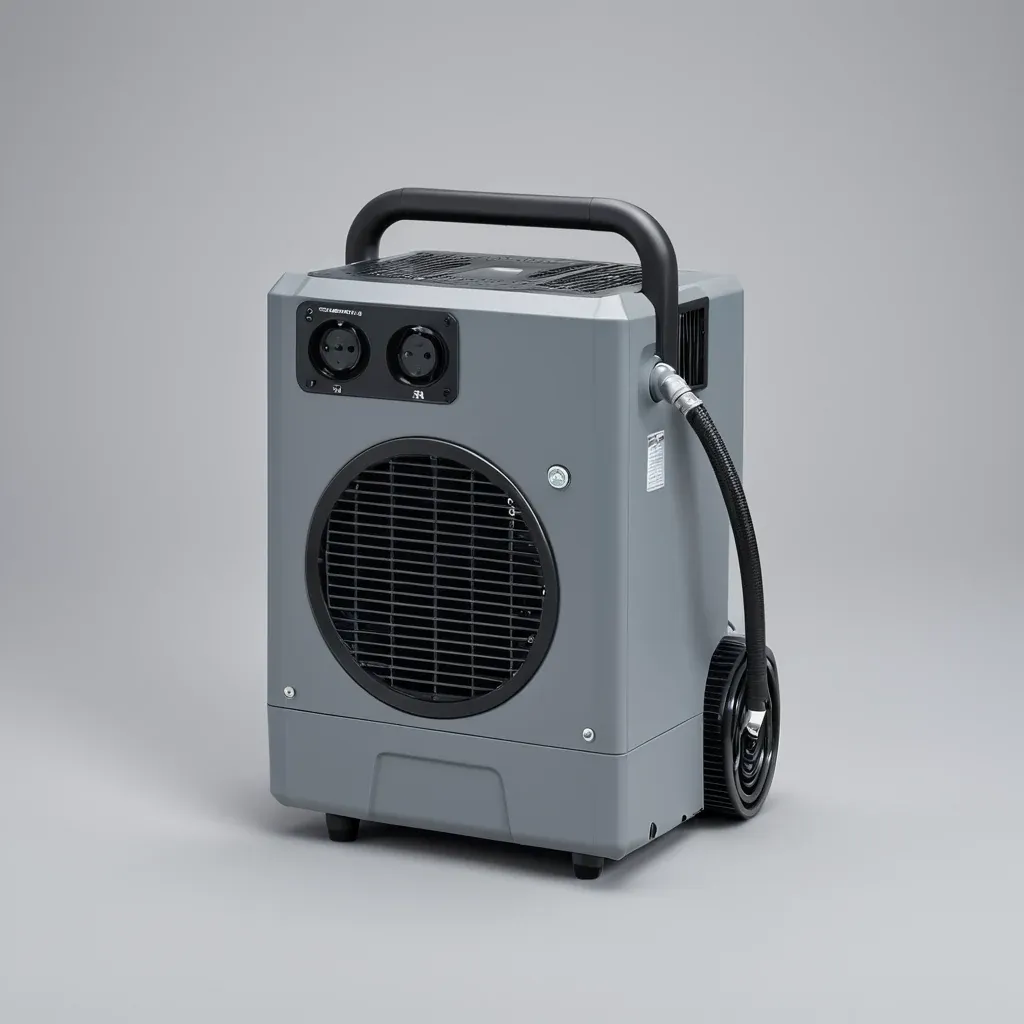
AlorAir Crawlspace
A compact crawl-space dehumidifier with a condensate pump for tight, humid under-house areas.
Use it when: When a crawl space needs continuous, hands-off moisture control.
Shop AlorAir CrawlspaceOur pick for this step: Sylvane — A specialty retailer for air purifiers, dehumidifiers, and filters, with staff who know the mold-specific gear.
Looking for the right gear?
Browse the full toolkit by category.
Educational Disclaimer
This content is educational and does not constitute medical advice, diagnosis, or treatment. Mold-related illness is an area where the science is still developing — where a claim is contested, the article says so. Always work with a qualified clinician on health decisions, and with licensed professionals on remediation. Some links may be affiliate links; that never changes a recommendation.