Five Mold Beliefs Worth Retiring

Five ideas circulate constantly in this area, sound reasonable, and quietly cost people money and months. None of them is stupid — each is a reasonable generalisation that breaks in the specific case. Worth putting down.

1. New means clean
New means no accumulated water history and maximum chemical load. Those are two different claims, and only the first one is good news. A brand-new building genuinely has not had twenty years of roof failures, weeping supply lines and burst washing-machine hoses — that is the strongest argument for new construction and it is not close. It also has every cabinet, every adhesive and every finish emitting at their peak (what a new build off-gasses). Clean of one thing, loaded with the other.
2. If I cannot smell it, it is not there
Odor thresholds vary widely between people, and mold in a wall cavity often produces no detectable odor in occupied space for a long time. Smell is a useful positive signal and a worthless negative one: a musty smell means look, but no smell means nothing at all (musty smell, no visible mold). If you want an answer about the air rather than about your nose, an air-sampling kit measures it.

3. A HEPA purifier handles it
This is the most common and most expensive misunderstanding in the whole subject. HEPA is a mechanical filter: it captures particles, and a gas is not a particle. Formaldehyde and solvent VOCs pass through a HEPA element as though it were not there. Removing gases needs a real bed of activated carbon, ideally impregnated for formaldehyde — the difference is laid out in HEPA vs. carbon, and units built around a genuine carbon bed are what that argument points at. A thin carbon-dusted pre-filter is not the same product.
4. A bad test result means I have to move
Elevated formaldehyde is a solvable problem: it decays, and ventilation plus gas-phase filtration moves it faster (the first 90 days). Confirmed active mold in a wall cavity in a rental you cannot control is a genuinely different situation — and even then, documentation usually serves you better than immediate flight. Moving is itself a large disruption, and for anyone with a reactive history it is its own load event (why both exposures trigger mast cells). Build the record first: how to document it.
5. How I feel tells me what the cause is
It tells you something is wrong. It does not distinguish between two chemically unrelated exposures that produce nearly identical symptoms — headache, fatigue, cognitive fog, eye and airway irritation, disrupted sleep. There is no symptom that reliably separates mold exposure from new-build chemical exposure, which is why self-diagnosis by symptom fails so often in new buildings (why the two feel identical).
That distinction requires measurement. It is also the single most expensive mistake in this population: people conclude mold from the feeling alone, break a lease, move into another new building, and hit the same wall in month two. What is actually established about mold and symptoms — and what is still contested — is set out in what is established and what is not.
The through-line
Four of the five collapse into one habit: measure instead of infer. A meter and a hygrometer plus a written question answer things that a smell, a symptom or a sales sheet cannot — and the whole hour-long version is the pre-signing walkthrough. The fifth, the HEPA one, collapses into a single sentence worth keeping: filters remove what they are built to remove, and nothing else.
This article is educational and environmental information. It does not diagnose, treat, or prevent any condition. Work with a qualified clinician on health decisions and with licensed professionals on remediation.
Sources and further reading
This article is educational guidance, not medical advice. The primary sources below inform this section of the site — each is republished here in full, and linked to the original publisher so you can read it at the source.
- CDC — Mold and Health — original at cdc.gov
- EPA — Mold and Health — original at epa.gov
- NIEHS — Mold — original at niehs.nih.gov
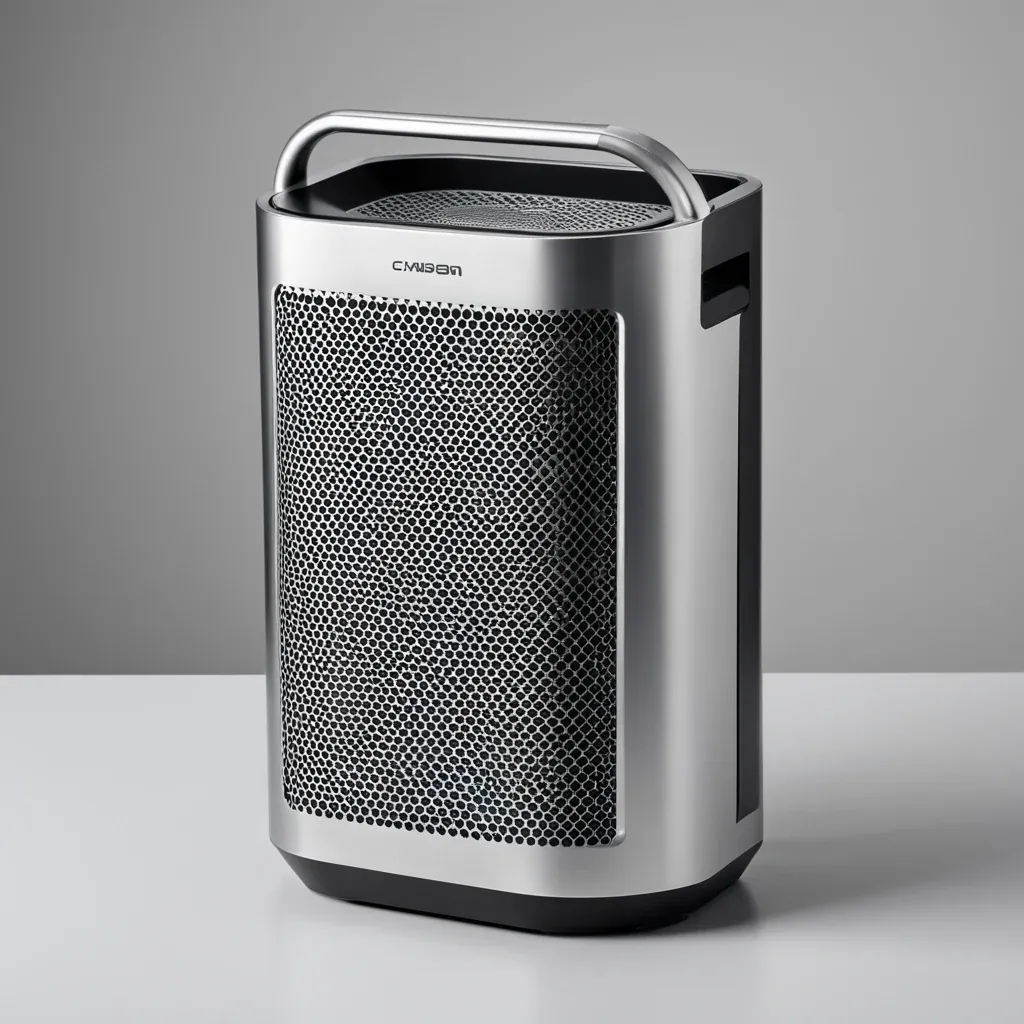
AllerAir
Heavy-duty air purifiers built around large activated-carbon filters for chemical and odor control.
Use it when: For strong, persistent odors or chemical sensitivity in a main room.
Shop AllerAir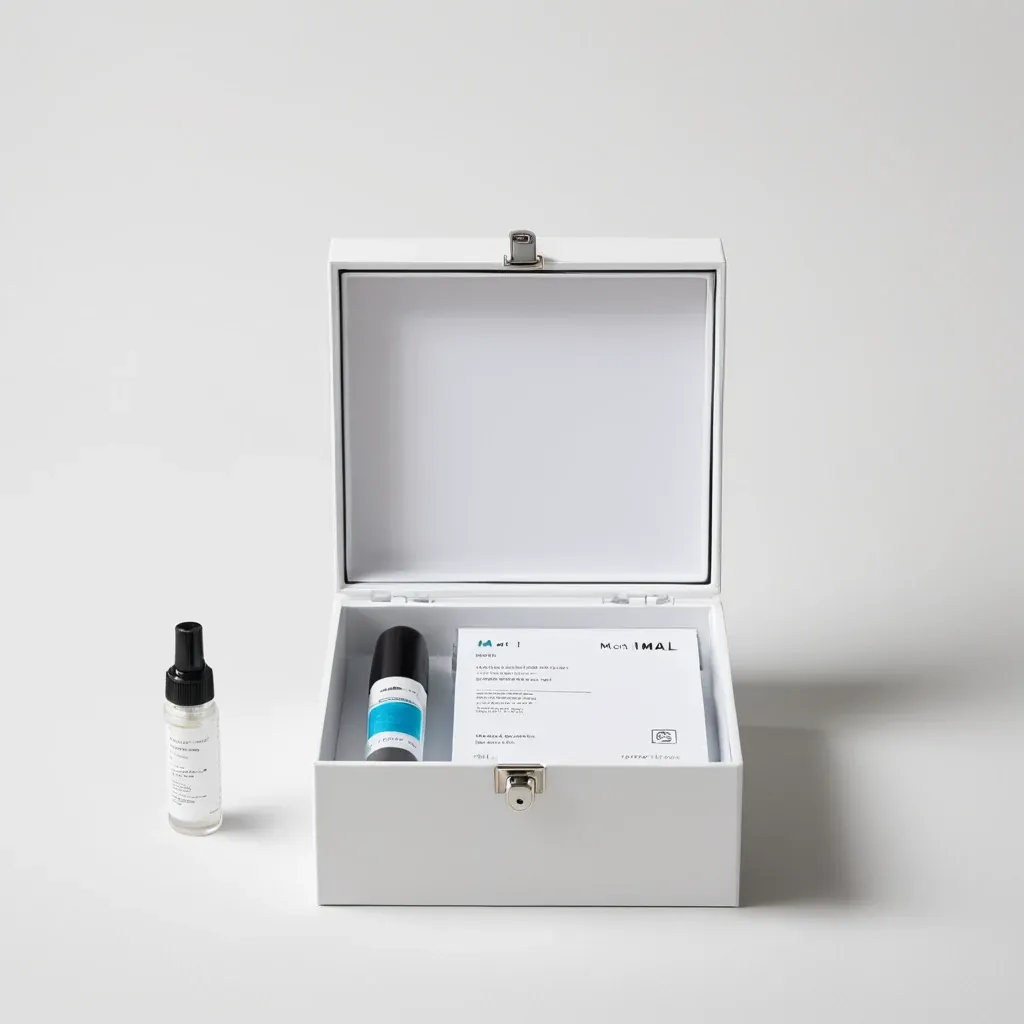
GOT MOLD?
A mail-in air-sampling kit that collects a room's airborne spores for independent lab analysis.
Use it when: When you want a clear, calm read on what's actually in the air.
Shop GOT MOLD?Looking for the right gear?
Browse the full toolkit by category.
Educational Disclaimer
This content is educational and does not constitute medical advice, diagnosis, or treatment. Mold-related illness is an area where the science is still developing — where a claim is contested, the article says so. Always work with a qualified clinician on health decisions, and with licensed professionals on remediation. Some links may be affiliate links; that never changes a recommendation.