Mold Detox: What the Evidence Actually Supports

“Mold detox” is a huge search term and a minefield of overclaiming, so let’s be straight about what the evidence actually supports. The single most important intervention is not a supplement — it is removing the exposure. Before anything else, find and fix the source and lower what you are breathing, including running capable air filtration while you sort the rest out. Everything else is secondary to that.

What has the strongest support
- Remove the exposure — this is the intervention with the clearest rationale and the best real-world track record. Remediate the mold, fix the moisture, and reduce airborne spores and VOCs.
- Treat established conditions medically — if you have mold allergy or asthma, standard, evidence-based medical treatment for those conditions is well supported. That is squarely mainstream care.
- Support the basics — sleep, nutrition, and hydration are not glamorous, but they are the foundation any recovery is built on.
What is clinician-directed and has limited or emerging evidence
Beyond removing exposure, a range of “detox” protocols circulate — binders, glutathione and antioxidants, antifungals, sauna, and others. Some have a plausible rationale and a body of clinical use behind them, but the high-quality evidence is limited or mixed, and several carry real risks if used incorrectly. These belong in the hands of a qualified clinician, not a self-directed protocol from a forum:
- Testing to guide it — clinician-ordered mycotoxin or related testing (for example Mosaic Diagnostics or Vibrant Wellness) is itself debated; results should be read by someone who understands the limitations.
- Binders and supportive supplements — sometimes used under supervision (a practitioner-dispensary such as Quicksilver Scientific supplies some of these); dosing, interactions, and whether they are warranted at all are clinical decisions.
- Education from clinicians — practitioner resources like Dr. Jill Crista’s materials can help you understand the landscape, but they are a complement to working with someone, not a substitute.

A grounded approach
If you think mold is affecting your health, the order that respects the evidence is: confirm and remove the exposure first (test the home, remediate, filter the air, dry it out), treat any diagnosed allergy or asthma with standard care, and only then consider additional measures with a clinician who works in this area and will be honest with you about what is proven and what is not.
This article is educational and not medical advice. Where the evidence is thin, it says so — and “detox” is an area where a clear-eyed clinician is worth far more than any product.
Sources and further reading
This article is educational guidance, not medical advice. The primary sources below inform this section of the site — each is republished here in full, and linked to the original publisher so you can read it at the source.
- CDC — Mold and Health — original at cdc.gov
- NIEHS — Mold — original at niehs.nih.gov
- EPA — Mold and Health — original at epa.gov
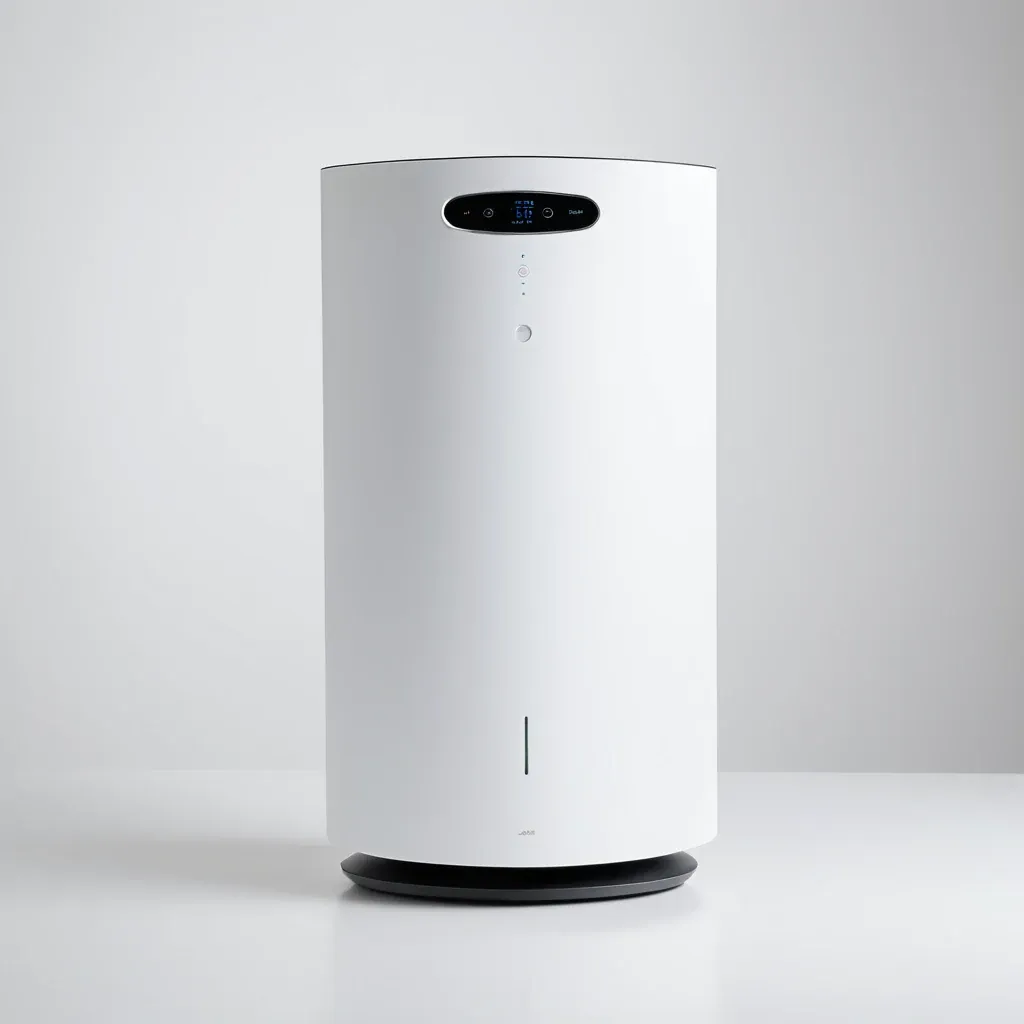
AirDoctor
A high-efficiency purifier pairing an UltraHEPA stage with a carbon/VOC stage, sized for living rooms and bedrooms.
Use it when: When you want to lower airborne particles and odors in a main living space.
Shop AirDoctor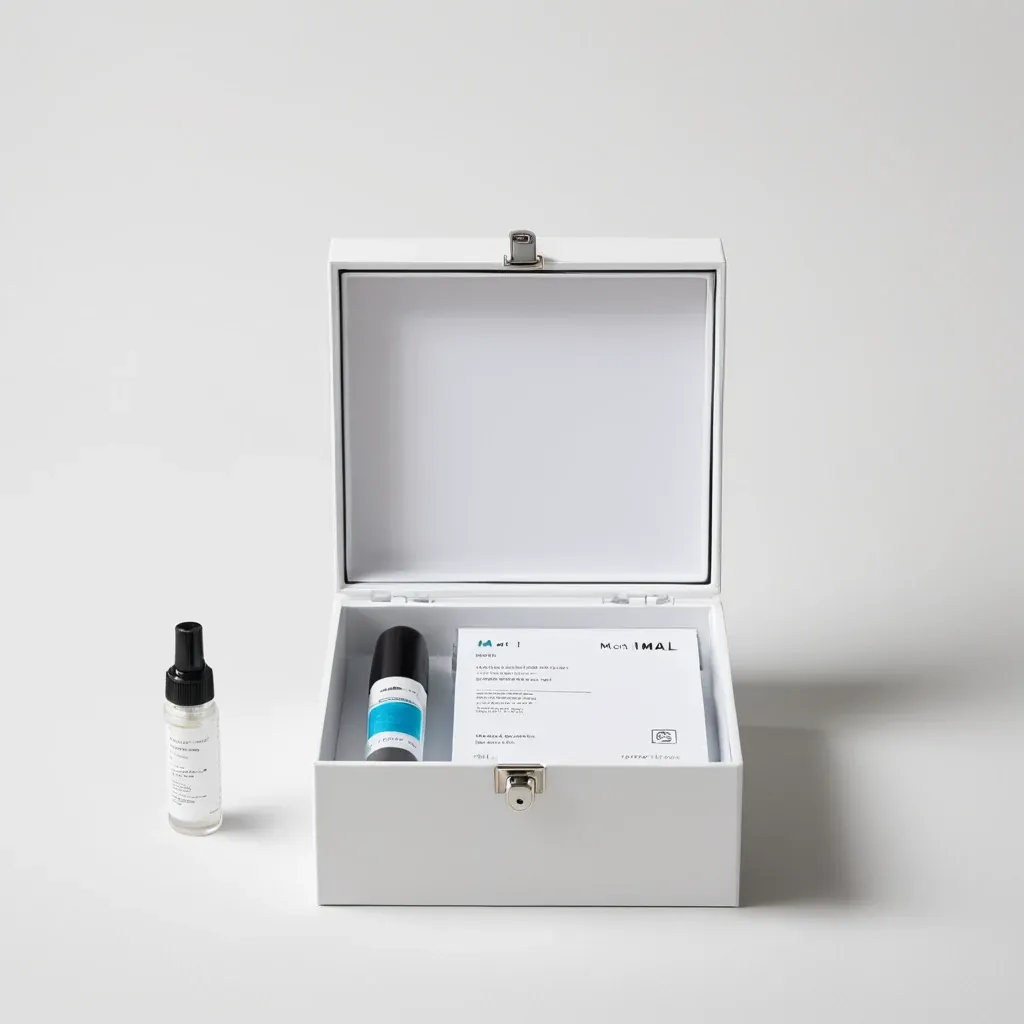
GOT MOLD?
A mail-in air-sampling kit that collects a room's airborne spores for independent lab analysis.
Use it when: When you want a clear, calm read on what's actually in the air.
Shop GOT MOLD?Looking for the right gear?
Browse the full toolkit by category.
Educational Disclaimer
This content is educational and does not constitute medical advice, diagnosis, or treatment. Mold-related illness is an area where the science is still developing — where a claim is contested, the article says so. Always work with a qualified clinician on health decisions, and with licensed professionals on remediation. Some links may be affiliate links; that never changes a recommendation.