Why Mold And New Buildings Both Trigger Mast Cells

This is the crux, and it explains something that otherwise makes no sense: a mold-sensitive person can move into a verifiably mold-free building and still get sick. It is not bad luck and it is not imagination. It is what happens when two chemically unrelated exposures converge on the same cell — and it is the reason the most useful purchase in this situation is usually gas-phase carbon filtration rather than another mold test.

Mast cells do not only respond to allergy
Mast cells can be triggered through IgE-mediated pathways, which is classical allergy. They can also be triggered through several non-IgE pathways that do not require prior sensitization to a specific allergen at all. Chemical irritants, temperature change, physical pressure, stress, hormonal shifts, certain foods, and various environmental exposures can all provoke degranulation without any allergy being involved.
That is why the trigger list for a person with MCAS looks so chemically incoherent. Mold exposure and formaldehyde exposure have nothing in common at the molecular level — one is biological, one is a small reactive VOC off a cabinet box (what a new build off-gasses). They converge on the same cell. Once mast cells are dysregulated, the specific identity of the provocation matters far less than the total provocation load.
The load model: a bucket, not a switch
Think of it as a bucket rather than a switch. Mold in your last apartment, a fresh cabinet installation, poor sleep, a stressful month, a food you react to, and a hot day are not separate problems competing for the blame. They add.
Someone with MCAS who moves from a moldy building into a new build has not removed a trigger and replaced it with nothing. They have traded one input for another, and if the new one is large enough, the bucket still overflows. That is the whole explanation for the month-two wall people hit — and why symptoms alone cannot tell you which building you are in (why the two feel identical).
Loss of tolerance: how sensitivity spreads
There is a related mechanism worth understanding, described in the peer-reviewed literature as toxicant-induced loss of tolerance, or TILT. The two-stage model runs like this. An initiating exposure, often a significant chemical or biological event, produces a lasting change in how the person responds to their environment. After that initiation, the person begins reacting to a widening range of substances at doses that never bothered them before, and at doses that do not bother other people at all. The new triggers are frequently unrelated to the original one.
The relevance is direct. A serious mold exposure is exactly the kind of initiating event the model describes. If you went through one, your reactivity to unrelated chemicals may be genuinely higher now than it was before, and higher than a typical person's. A formaldehyde level that a hundred other tenants in your building do not notice can be a real and disabling exposure for you. This is not oversensitivity or imagination. It is a documented pattern with a name.
It also means the standard reassurance you will get from a leasing agent — that the levels are within normal limits — is answering a question you did not ask. Normal limits are population limits. You are asking about you.
Three adjustments to the usual advice
If you have MCAS or a strong loss-of-tolerance history, three changes to the general guidance in the new-home guide are warranted.
- Weight the chemical risk higher than a typical mold-sensitive person would. For most people, three months of formaldehyde is an annoyance to manage. For a reactive mast cell population it can be a sustained flare that takes far longer to settle than the exposure itself lasts.
- Prefer a building that is finished but not brand new. A unit completed twelve to twenty-four months ago has passed the steepest part of the off-gassing curve (the timeline by material) while still carrying almost none of the water-damage history that makes older buildings risky. This is the sweet spot, and it is chronically overlooked because people think in a binary of new versus old.
- Do not move during a flare. Moving is itself a large load event: physical exertion, sleep disruption, stress, new foods, dust, and a novel chemical environment arriving simultaneously. Stabilise first and move second, and you will actually be able to interpret how the new building makes you feel.
That second point deserves emphasis, because it is the most actionable idea in this whole guide. The question is not really new versus old. It is: how long ago was this finished, and was it built dry? A two-year-old building answers both well — the two risk profiles are compared directly in water damage vs. new construction.
Lowering the load, in order of leverage
- Dilution first. Cross-ventilate — two openings on different sides beat one window wide open — and leave cabinets and drawers open, because closed casework is not part of the house's air exchange until you open it.
- Gas-phase filtration second, in the room you sleep in. Carbon, not HEPA, for the chemical side — it is the room you occupy longest with the door shut, which makes it both the worst case and the cheapest to fix.
- Humidity held in the 30-50% band, which lowers the biological side and slows off-gassing at the same time.
- Instruments, not memory. Baseline the damp spots and re-read them, so month three is a comparison rather than a recollection.
On humidity specifically: if a space will not hold the band on its own that is a moisture job rather than a filtration one, and a right-sized dehumidifier does more for you than another purifier. On instruments, the whole point is that they cost almost nothing next to the decisions they inform — a hygrometer and a pin-type moisture meter are what turn “this room feels worse” into two numbers you can put beside last month's. And on the chemical side, do not let one exposure diagnose the next one — in a new build the same headache and fog usually mean formaldehyde rather than mold, which is a different problem with a different fix (mold vs. VOCs).
This article is educational and is not medical advice. It does not diagnose or treat any condition, and it is not a substitute for evaluation by a qualified clinician. Diagnostic criteria are summarised here so you can have a better-informed conversation, not so you can apply them to yourself.
Sources and further reading
This article is educational guidance, not medical advice. The primary sources below inform this section of the site — each is republished here in full, and linked to the original publisher so you can read it at the source.
- CDC — Mold and Health — original at cdc.gov
- NIEHS — Mold — original at niehs.nih.gov
- EPA — Mold and Health — original at epa.gov
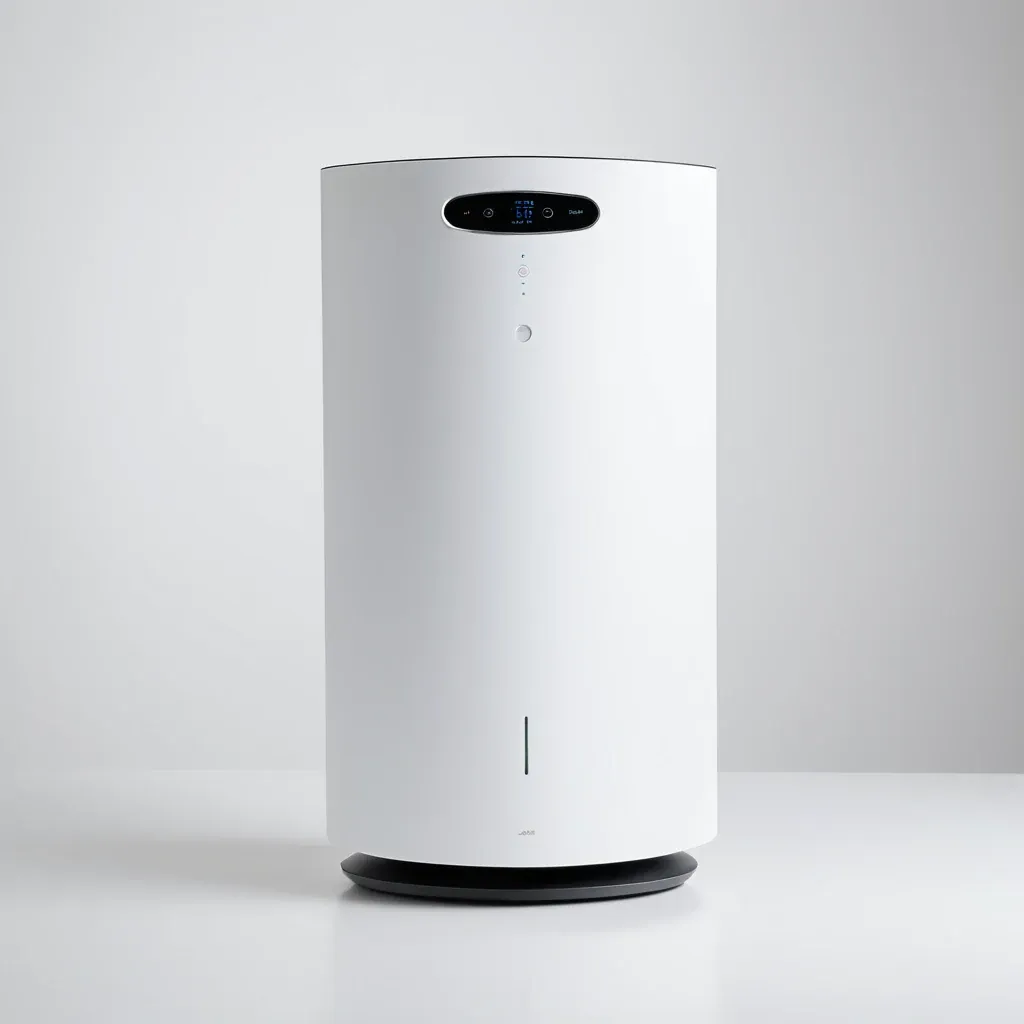
AirDoctor
A high-efficiency purifier pairing an UltraHEPA stage with a carbon/VOC stage, sized for living rooms and bedrooms.
Use it when: When you want to lower airborne particles and odors in a main living space.
Shop AirDoctor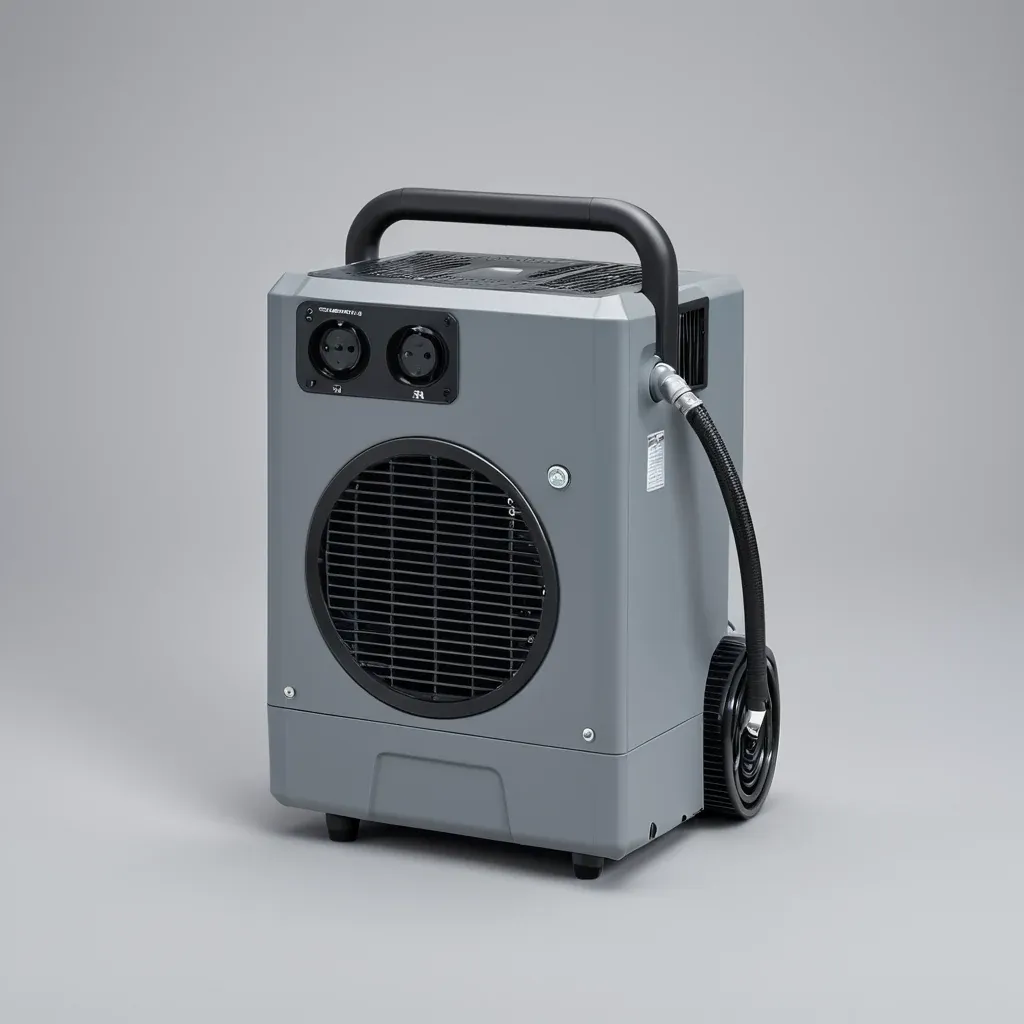
AlorAir Crawlspace
A compact crawl-space dehumidifier with a condensate pump for tight, humid under-house areas.
Use it when: When a crawl space needs continuous, hands-off moisture control.
Shop AlorAir CrawlspaceLooking for the right gear?
Browse the full toolkit by category.
Educational Disclaimer
This content is educational and does not constitute medical advice, diagnosis, or treatment. Mold-related illness is an area where the science is still developing — where a claim is contested, the article says so. Always work with a qualified clinician on health decisions, and with licensed professionals on remediation. Some links may be affiliate links; that never changes a recommendation.