What Mast Cells Actually Do, And What MCAS Means

If you have been reading about mold and your health for any length of time, you have run into mast cells — usually as an explanation for why an unrelated set of symptoms might all be connected. The cell biology behind that is genuinely well established, and worth knowing accurately, because the accurate version is both more useful and less alarming than the version that circulates. It also explains why the most reliable thing you can do at home has nothing to do with a diagnosis: lower the total provocation, starting with what you are breathing.

What mast cells are, and where they sit
Mast cells are immune cells that sit in the tissues at your body's boundaries with the outside world: skin, airway lining, gut lining, and around blood vessels. They are the sentries. When they detect something they have been primed to react to, they degranulate — releasing a package of mediators including histamine, tryptase, prostaglandins, leukotrienes, and various cytokines.
That response is supposed to be proportionate and local. A splinter, a bee sting, a pollen season: something happens in one place, at a scale that matches the provocation, and then it stops.
What changes in mast cell activation syndrome
In mast cell activation syndrome the response is neither proportionate nor local. The cells release mediators inappropriately, in response to triggers that should not warrant it, and often systemically rather than locally.
Because mast cells are distributed throughout the body, the symptoms then appear in several organ systems at once. That is why MCAS presents as a bewildering collection of complaints that do not obviously belong together: flushing, hives, itching, headache, low blood pressure, nausea, abdominal pain, diarrhea, brain fog, anxiety, and airway reactivity, often in shifting combinations. Read one at a time they look like six different problems. Read as mediator release from cells that are everywhere, they look like one.

The three criteria, stated precisely
Three criteria are generally required for a diagnosis. They are worth knowing precisely, because a great deal of what circulates online is not anchored to them.
- Recurrent or persistent symptoms consistent with mast cell mediator release, appearing in two or more organ systems at the same time, and not better explained by another condition.
- An objective increase in a mast cell mediator during a symptomatic episode. The best-established measure is serum tryptase, using the “20% plus 2” formula: the level during an event must be at least 20% above the person's own baseline, plus an additional 2 ng/mL. Other mediators including histamine and prostaglandin metabolites can be assessed in a 24-hour urine collection.
- Meaningful symptom improvement on medications that block mast cell mediators or stabilize mast cells.
Be careful with the second one. The tryptase criterion requires a baseline drawn while you are well and a second draw during a flare, within a specific window. A single tryptase level taken at a routine appointment tells you almost nothing. This is the most common reason people are told their labs are normal when they may still meet criteria — and it is a timing problem, not a verdict. If you want to understand the landscape before that conversation, clinician-authored education such as Dr. Jill Crista's materials is a reasonable place to read; it is a complement to working with someone, not a substitute for it, and none of it can order a lab.
Why this matters for your house
Whether or not the label ends up applying to you, the mechanism has a practical consequence. Mast cells can be provoked by chemically unrelated things, so the useful question at home is not “which single exposure is doing this” but “what is the total load, and can I lower it.” That reframing is the subject of why mold and new buildings both trigger mast cells.
Two levers do most of the work and neither requires a diagnosis. The first is ventilation and filtration — and for gas-phase irritants that means activated carbon rather than HEPA, because HEPA does nothing to a gas. A unit built around a real carbon bed is the honest version of that. The second is measurement instead of memory: a hygrometer and a moisture meter turn “this room feels bad” into numbers you can compare next month. Keeping humidity in the 30-50% band does double duty, because damp also feeds the biological side.
And keep the two questions separate. What is established about mold exposure, and what is still contested, is laid out in what is established and what is not; the diagnostic argument over MCAS itself is its own article — the MCAS diagnosis controversy.
This article is educational and is not medical advice. It does not diagnose or treat any condition, and it is not a substitute for evaluation by a qualified clinician. Diagnostic criteria are summarised here so you can have a better-informed conversation, not so you can apply them to yourself.
Sources and further reading
This article is educational guidance, not medical advice. The primary sources below inform this section of the site — each is republished here in full, and linked to the original publisher so you can read it at the source.
- CDC — Mold and Health — original at cdc.gov
- NIEHS — Mold — original at niehs.nih.gov
- EPA — Mold and Health — original at epa.gov
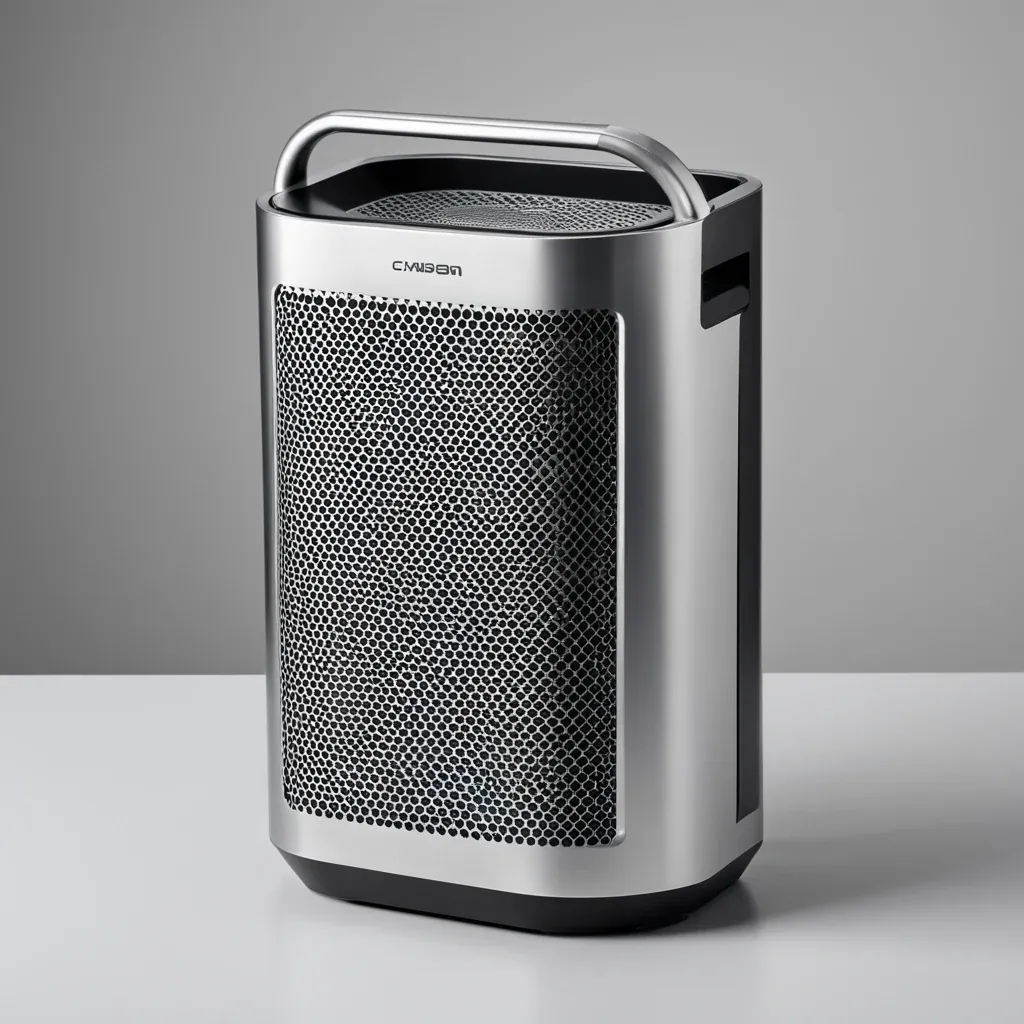
AllerAir
Heavy-duty air purifiers built around large activated-carbon filters for chemical and odor control.
Use it when: For strong, persistent odors or chemical sensitivity in a main room.
Shop AllerAir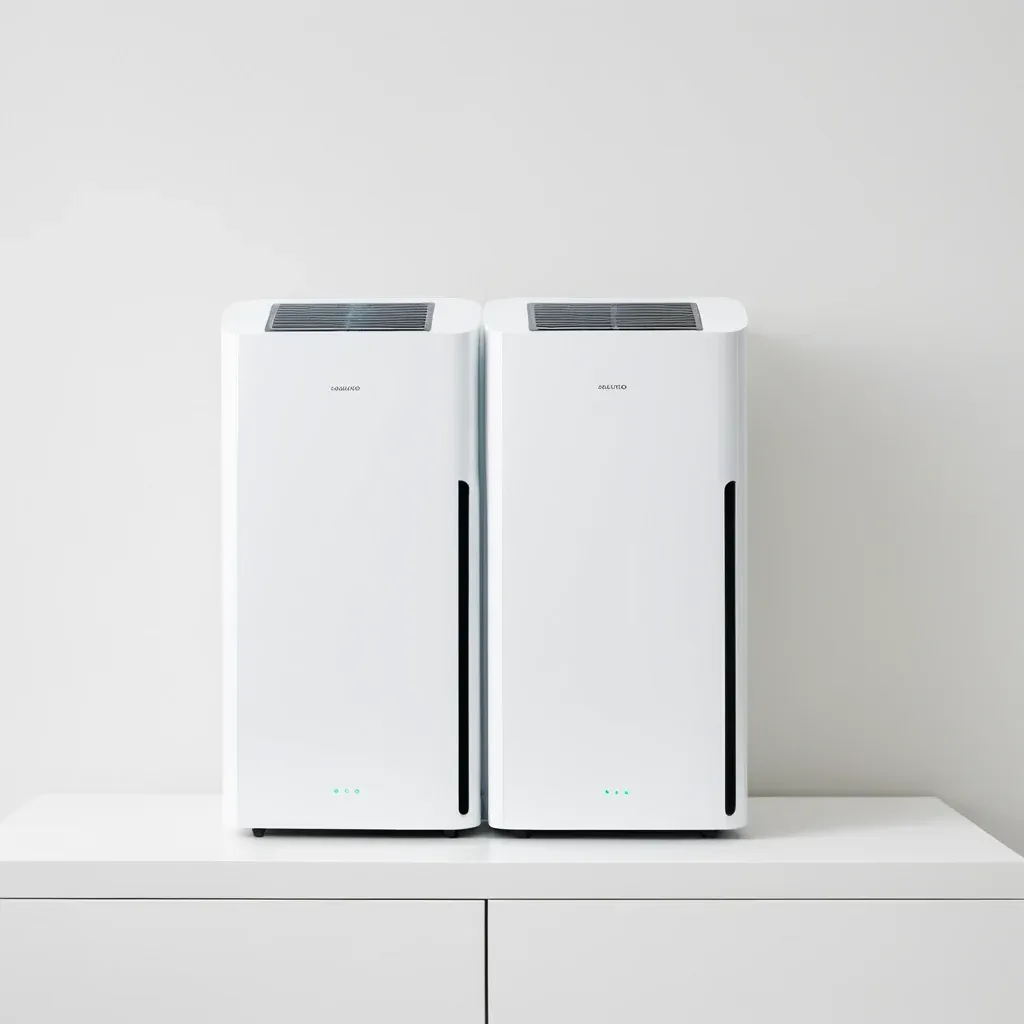
Sylvane
A specialty retailer for air purifiers, dehumidifiers, and filters, with staff who know the mold-specific gear.
Use it when: When you'd rather compare purifiers and dehumidifiers in one place.
Shop at SylvaneLooking for the right gear?
Browse the full toolkit by category.
Educational Disclaimer
This content is educational and does not constitute medical advice, diagnosis, or treatment. Mold-related illness is an area where the science is still developing — where a claim is contested, the article says so. Always work with a qualified clinician on health decisions, and with licensed professionals on remediation. Some links may be affiliate links; that never changes a recommendation.