The Best Dehumidifier for a Basement or Crawl Space

Mold is a moisture problem before it is anything else, which is why a basement-grade dehumidifier is often the single highest-leverage purchase for a damp home. The goal is simple and worth taping to the wall: keep relative humidity under 50%. Below that, mold cannot get the water it needs to grow; above 55–60%, it thrives. A basement or crawl space that drifts high all summer is a mold factory waiting for a spore.
Why basements and crawl spaces need a real unit
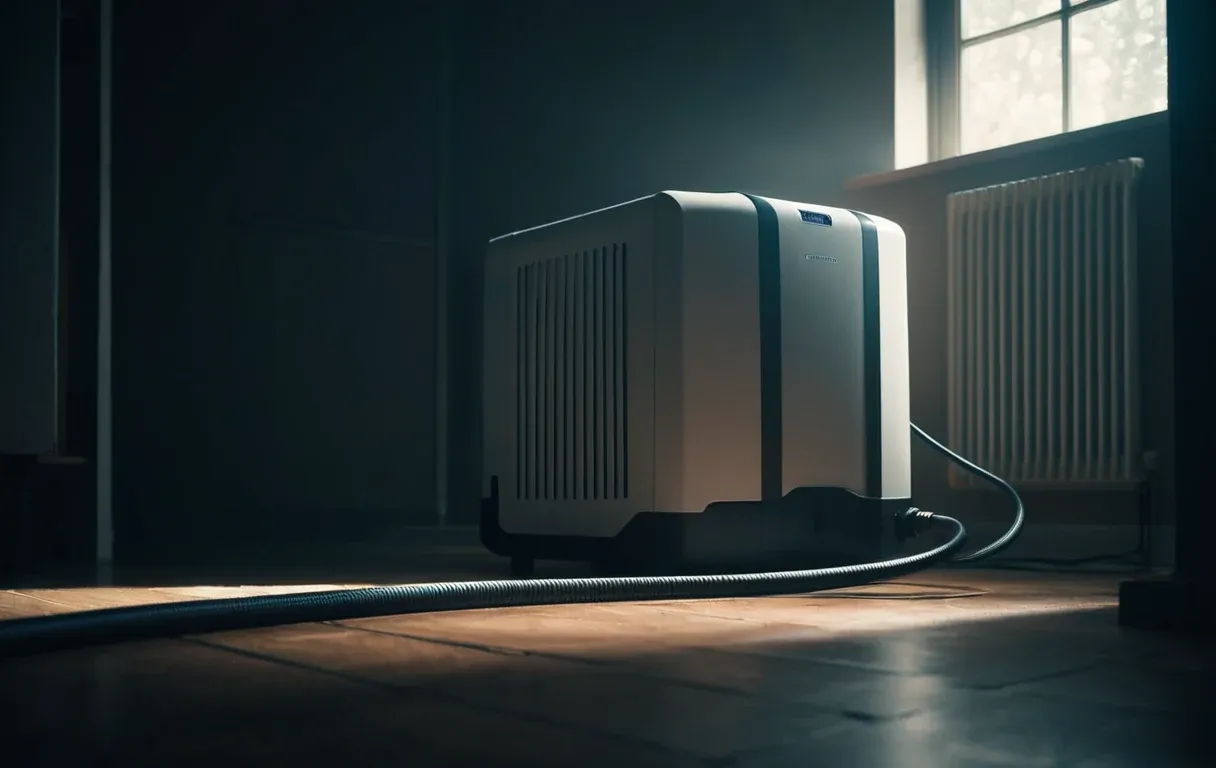
The small store dehumidifiers rated for a bedroom cannot hold a target in a large, cool, constantly-damp space — they run flat out and still lose. Basements and crawl spaces need capacity (measured in pints of water removed per day), the ability to work in cooler temperatures, and above all a way to drain continuously so no one has to empty a bucket.
- Capacity — size up, not down. A unit that cycles occasionally lasts longer and holds humidity steadier than a small one running 24/7.
- Continuous drainage — a gravity hose to a drain, or a built-in condensate pump when the drain is higher than the unit.
- A humidistat — set a target (45–50%) and let it hold there automatically, instead of guessing.
Basement: a whole-space unit that holds a target
For a finished or unfinished basement, a heavier Santa Fe-class unit is built to hold a humidity target across a large volume and drain continuously — the kind of machine that turns a basement that climbed all summer into one that simply sits at your set point. Position it centrally, run the drain to a floor drain or sump, and set it and forget it.
Crawl space: compact, sealed, and pumped
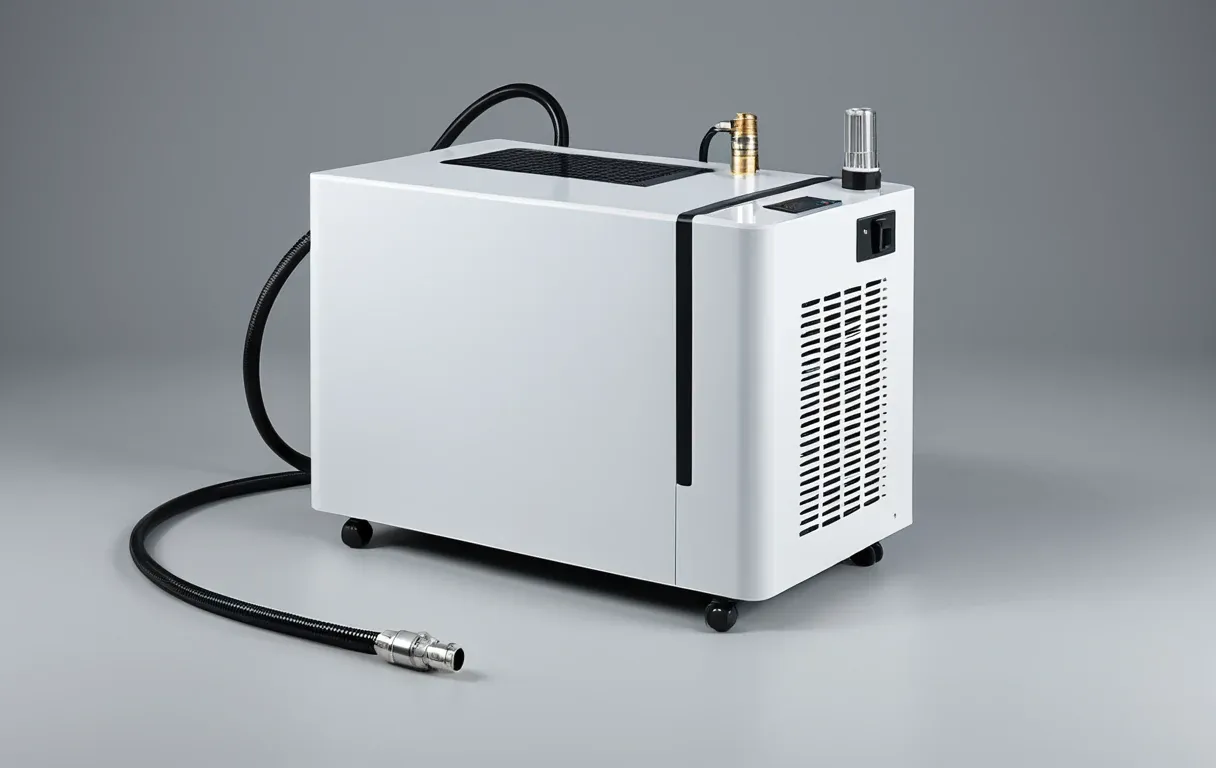
Crawl spaces are the harder case — tight, low, and often vented to humid outdoor air. The durable fix is encapsulation (seal the vents and lay a vapor barrier) paired with a compact crawl-space unit like AlorAir that includes a condensate pump to push water up and out of the low space. Without drainage a crawl-space dehumidifier just fills and stops; with it, the space finally holds a dry number year-round.
A dehumidifier is not a mold treatment — it is prevention. Fix the obvious water intrusion first (grading, gutters, plumbing), then let the right-sized unit hold the humidity where mold cannot follow.
Sources and further reading
This article is educational guidance, not medical advice. The primary sources below inform this section of the site — each is republished here in full, and linked to the original publisher so you can read it at the source.
- EPA — Improving Indoor Air Quality — original at epa.gov
- CPSC & EPA — The Inside Story: A Guide to Indoor Air Quality — original at cpsc.gov
- EPA — What Are Volatile Organic Compounds (VOCs)? — original at epa.gov
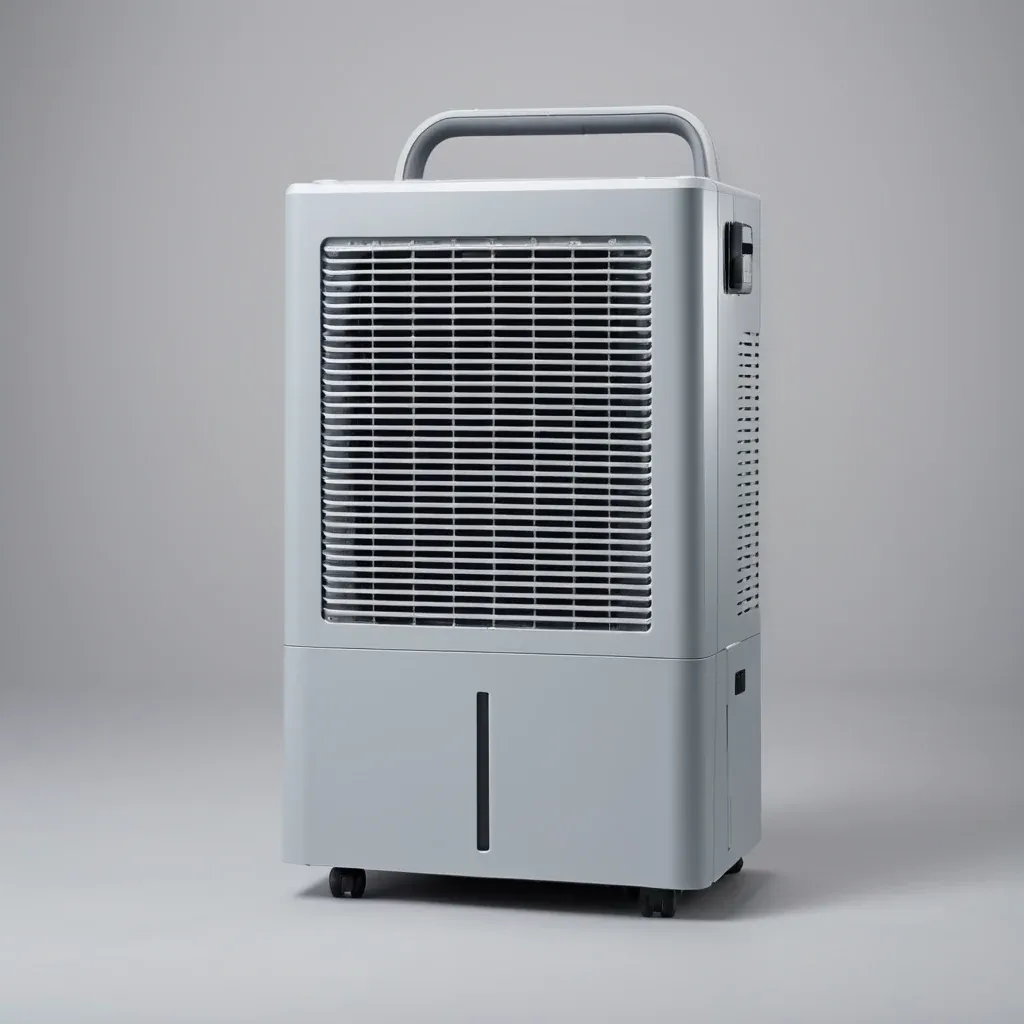
Santa Fe Dehumidifiers
Basement- and whole-home-grade dehumidifiers that hold a target humidity in damp spaces.
Use it when: For a basement that keeps drifting above 55% relative humidity.
Shop Santa Fe Dehumidifiers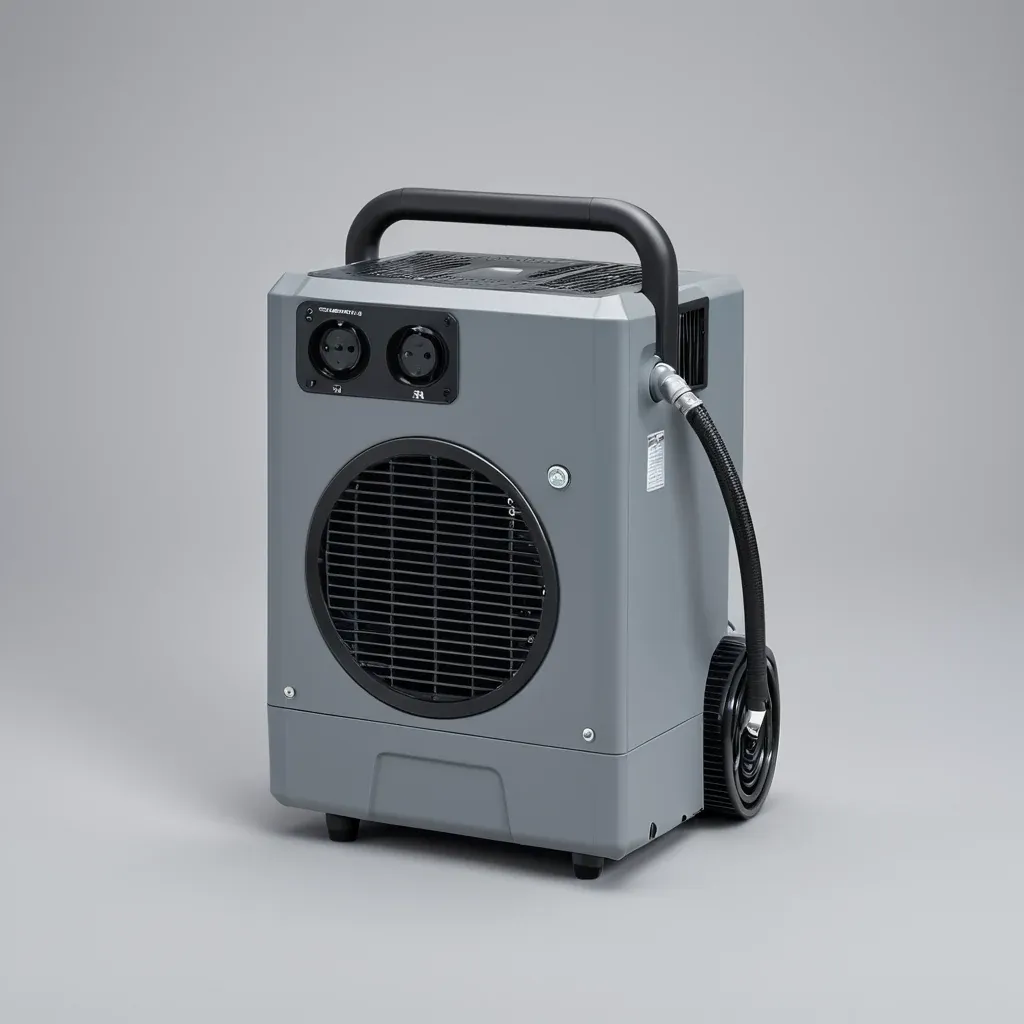
AlorAir Crawlspace
A compact crawl-space dehumidifier with a condensate pump for tight, humid under-house areas.
Use it when: When a crawl space needs continuous, hands-off moisture control.
Shop AlorAir CrawlspaceLooking for the right gear?
Browse the full toolkit by category.
Educational Disclaimer
This content is educational and does not constitute medical advice, diagnosis, or treatment. Mold-related illness is an area where the science is still developing — where a claim is contested, the article says so. Always work with a qualified clinician on health decisions, and with licensed professionals on remediation. Some links may be affiliate links; that never changes a recommendation.