What Humidity Level Prevents Mold? The 30–50% Rule, Explained

Mold is a moisture problem, and indoor humidity is the moisture you can actually control. Keep it in the right band and mold loses its footing. Here is the number, why it works, and how to hold it.
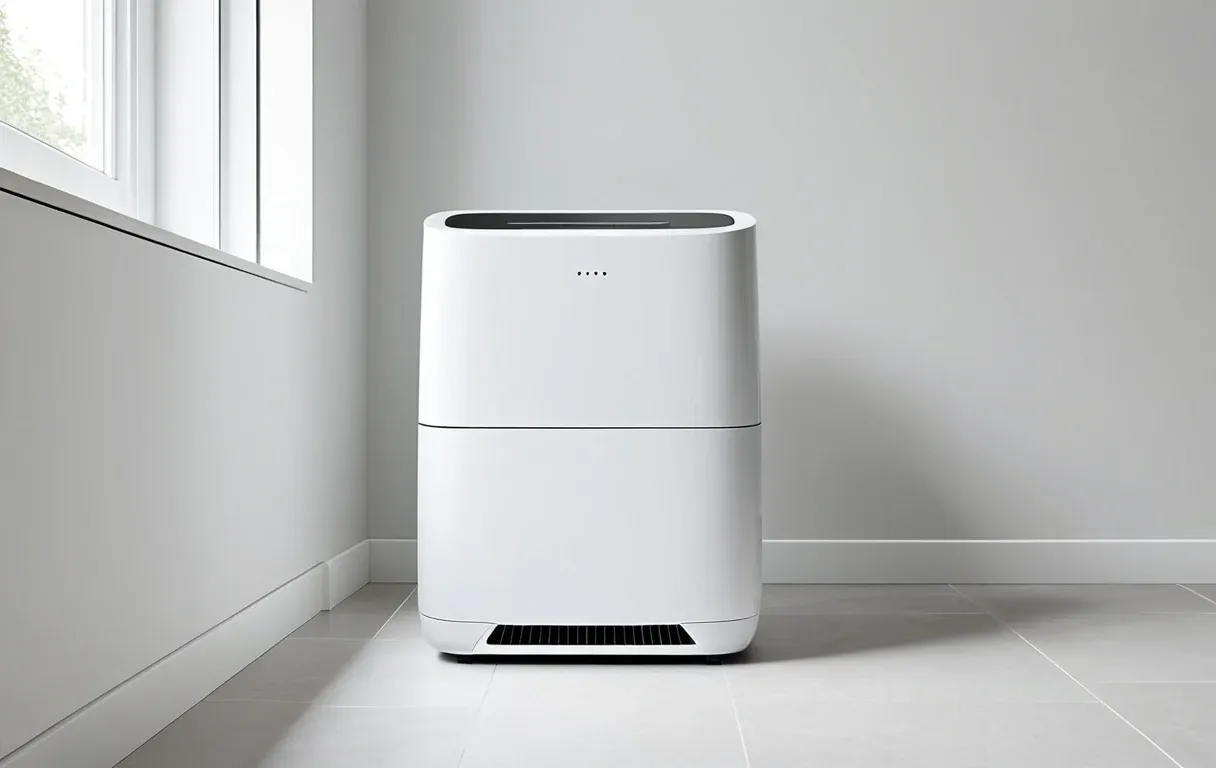
The target: 30 to 50% relative humidity
The EPA and CDC both point to keeping indoor relative humidity below 50%, and ideally in the 30 to 50% range. Under 60% you are in reasonable shape; sustained above 60% and you have created the conditions mold and dust mites prefer.
Why 60% is the danger line
Mold does not need standing water — it needs enough moisture in a material or in the air right against a surface. When room air sits above 60% relative humidity, cool surfaces (a north-facing wall, a window, an uninsulated closet) can reach the dew point and grow a thin film of moisture even though nothing looks wet. That film is all mold needs. Holding room air at 30 to 50% keeps those surfaces dry.
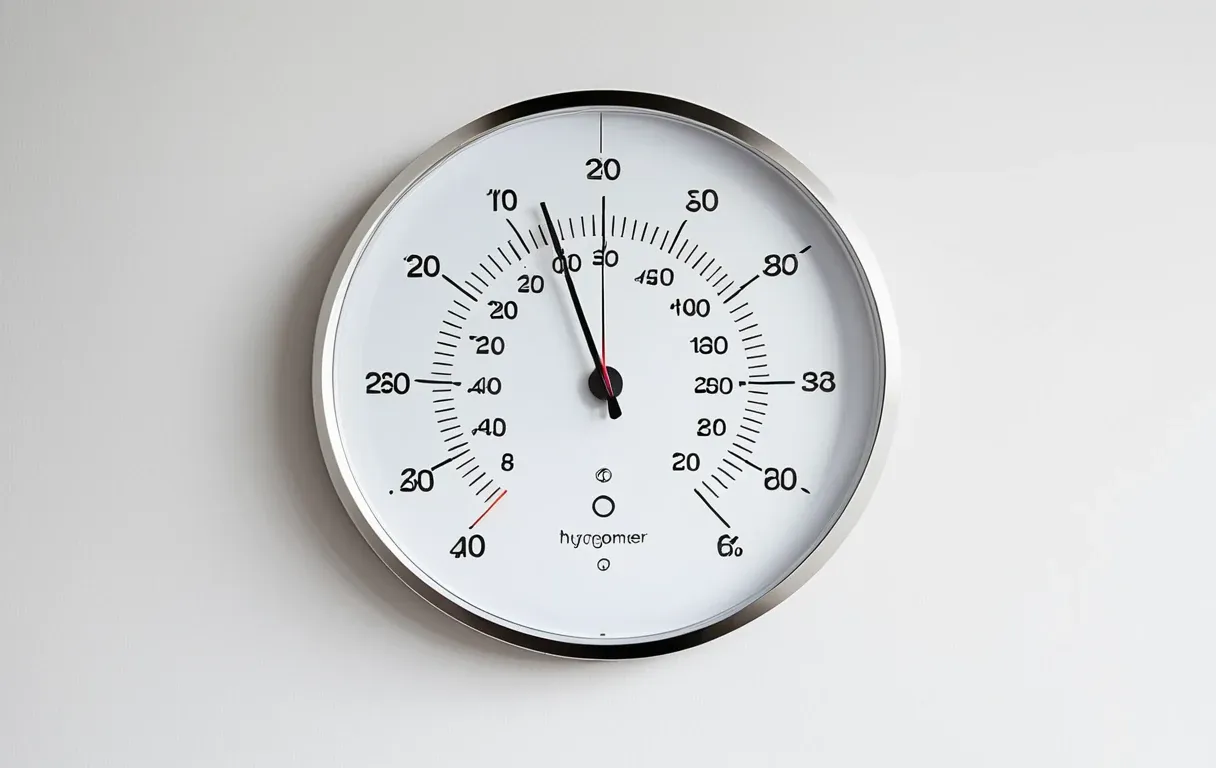
How to actually measure it
You cannot manage what you do not measure. An inexpensive digital hygrometer (widely available) in the rooms you worry about — bedroom, bathroom, basement — tells you the truth. Check it across a full day, because humidity swings with cooking, showers, and weather.
How to bring it down and hold it
- Ventilate first: run bath and kitchen exhaust fans, and crack windows when the outside air is dry.
- Fix the sources: plumbing leaks, damp crawlspaces, and unvented clothes dryers.
- Dehumidify where ventilation is not enough. A finished basement or a humid climate usually needs a dedicated unit — a whole-basement dehumidifier for living space, or a crawlspace unit for the space under the house, which is where a surprising amount of a home's moisture originates.
The short version
30 to 50% relative humidity, measured rather than guessed, held with ventilation first and a dehumidifier where needed. Do that and you have removed the one thing mold cannot grow without.
Sources and further reading
This article is educational guidance, not medical advice. The primary sources below inform this section of the site — each is republished here in full, and linked to the original publisher so you can read it at the source.
- EPA — Improving Indoor Air Quality — original at epa.gov
- CPSC & EPA — The Inside Story: A Guide to Indoor Air Quality — original at cpsc.gov
- EPA — What Are Volatile Organic Compounds (VOCs)? — original at epa.gov
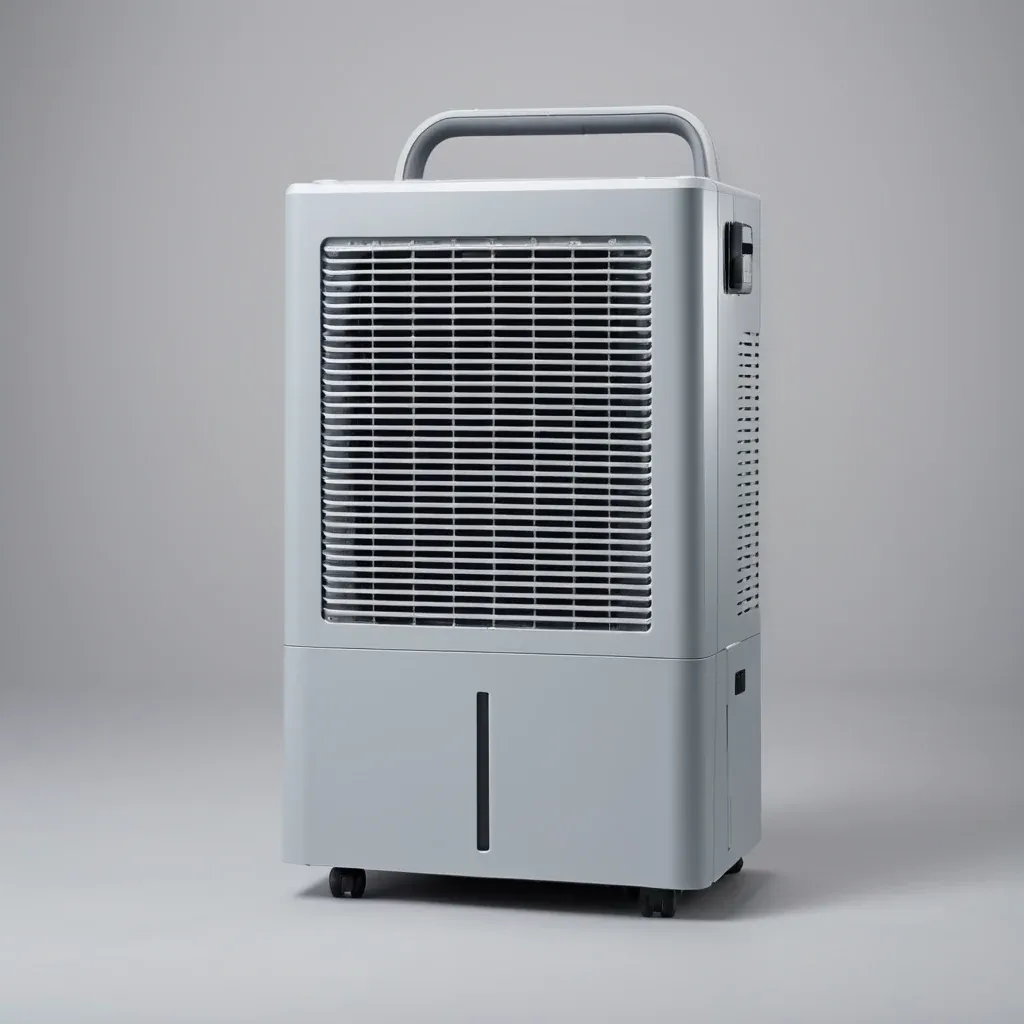
Santa Fe Dehumidifiers
Basement- and whole-home-grade dehumidifiers that hold a target humidity in damp spaces.
Use it when: For a basement that keeps drifting above 55% relative humidity.
Shop Santa Fe Dehumidifiers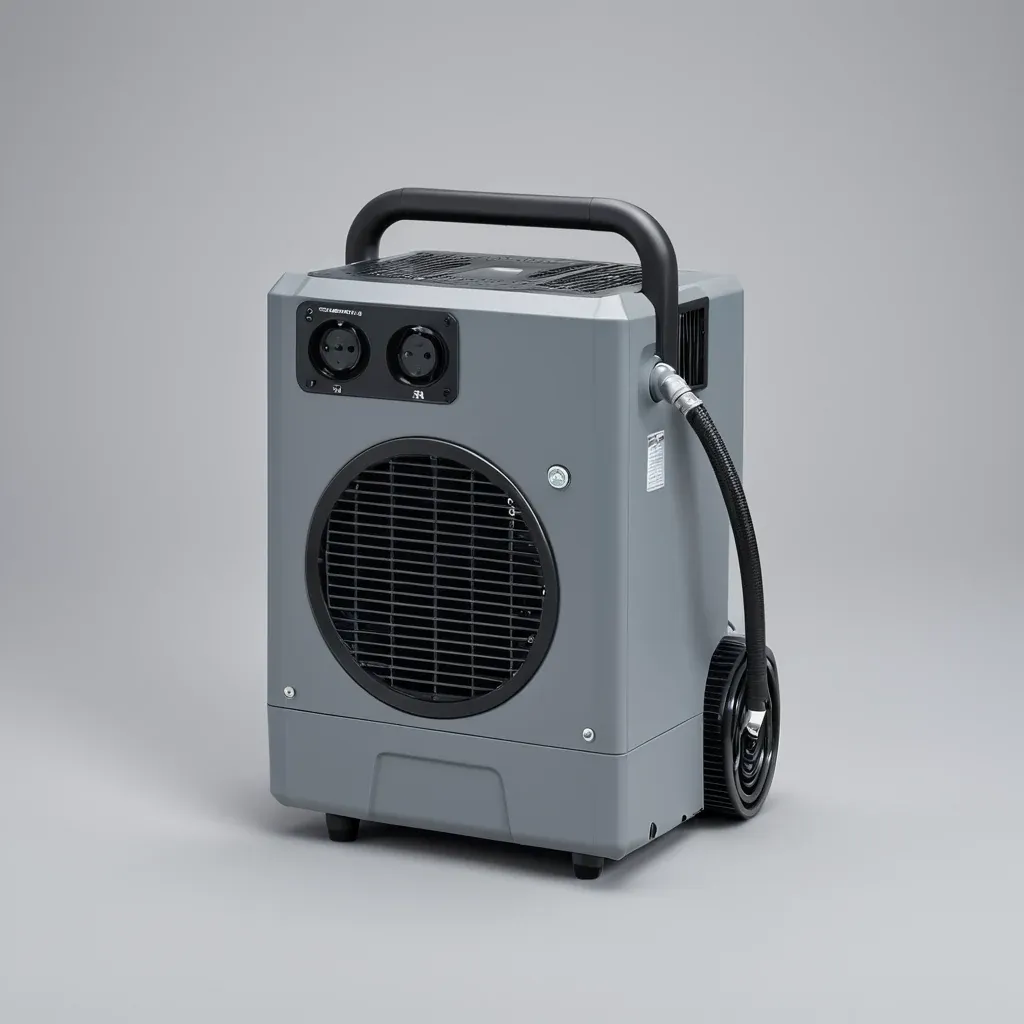
AlorAir Crawlspace
A compact crawl-space dehumidifier with a condensate pump for tight, humid under-house areas.
Use it when: When a crawl space needs continuous, hands-off moisture control.
Shop AlorAir CrawlspaceLooking for the right gear?
Browse the full toolkit by category.
Educational Disclaimer
This content is educational and does not constitute medical advice, diagnosis, or treatment. Mold-related illness is an area where the science is still developing — where a claim is contested, the article says so. Always work with a qualified clinician on health decisions, and with licensed professionals on remediation. Some links may be affiliate links; that never changes a recommendation.