The Best HVAC Filter for Mold Spores (MERV, Airflow, and the One Mistake)

Your furnace or AC moves the entire volume of your home’s air through one filter, over and over — which makes a good HVAC filter one of the cheapest and most continuous ways to pull mold spores out of circulation. The catch is that the rating on the box (MERV) has to be high enough to catch spores, but not so high that it strangles your system’s airflow. Getting that balance right is the whole game.
What MERV actually means for spores
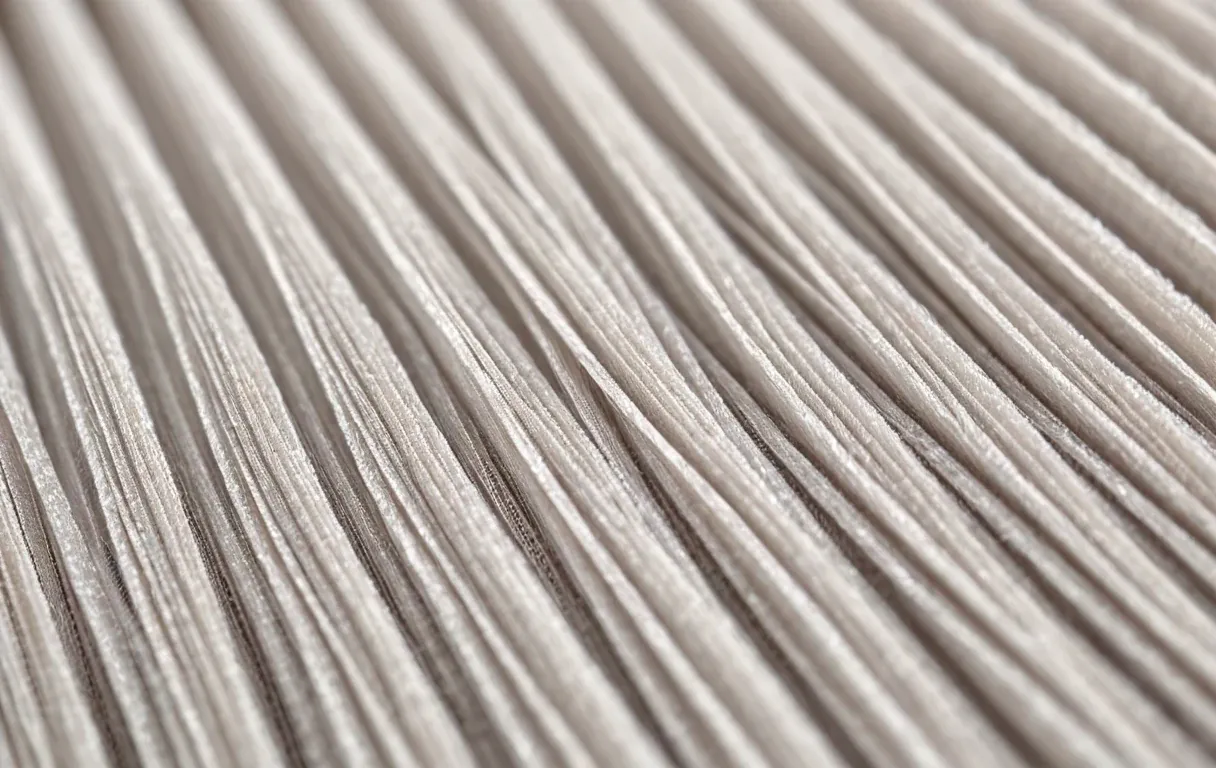
MERV (Minimum Efficiency Reporting Value) rates how well a filter captures particles, from 1 to 16 for residential systems. Mold spores are roughly 3 to 40 microns — comfortably within reach of a mid-range filter:
- MERV 8 — catches larger spores, dust, and pollen. A reasonable floor, common in older systems.
- MERV 11 — the practical sweet spot for spores and finer dust in most homes.
- MERV 13 — captures the smallest spores and fine particles; the highest most residential systems should run without airflow trouble.
The mistake: over-MERV and starving the blower
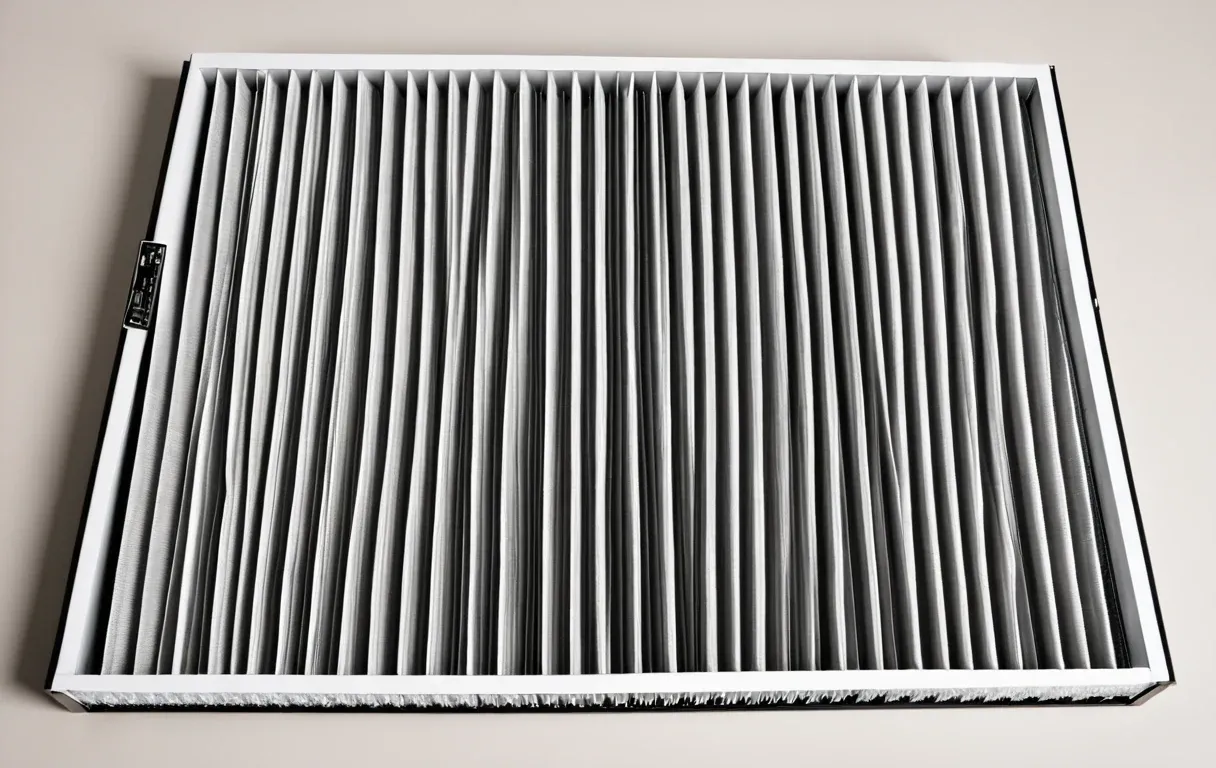
A denser filter resists airflow. Push the MERV higher than your system was designed for and you raise static pressure, which makes the blower work harder, cuts airflow to your rooms, and can freeze the coil or shorten the unit’s life. The move is to run the highest MERV your system tolerates — usually 11 to 13 — in the correct size, and to change it on schedule (every 60–90 days, sooner during active cleanup). A clogged high-MERV filter is worse for airflow than a clean lower one.
Getting the right filter, in the right size
The reason people run the wrong filter is usually that the right size is annoying to find. A custom-cut service like Filterbuy makes pleated MERV 8–13 filters in exact dimensions and on a subscription so you actually swap them on time — which matters more than any single spec, because the best filter is the one that is clean.
What an HVAC filter cannot do
A furnace filter captures particles as air passes through it — it does nothing for the musty mVOC smell or new-build formaldehyde, because those are gases. For odors and VOCs you need a standalone unit with a heavy carbon bed such as an AirDoctor or a whole-home-plus-HVAC approach like EnviroKlenz — not a better furnace filter. And no filter fixes the moisture that let mold grow in the first place; it is one layer of a plan, not the plan.
Run MERV 11–13 in the correct size, change it on time, and your air handler quietly becomes a whole-home spore trap that works every minute the system runs.
Sources and further reading
This article is educational guidance, not medical advice. The primary sources below inform this section of the site — each is republished here in full, and linked to the original publisher so you can read it at the source.
- EPA — Improving Indoor Air Quality — original at epa.gov
- CPSC & EPA — The Inside Story: A Guide to Indoor Air Quality — original at cpsc.gov
- EPA — What Are Volatile Organic Compounds (VOCs)? — original at epa.gov
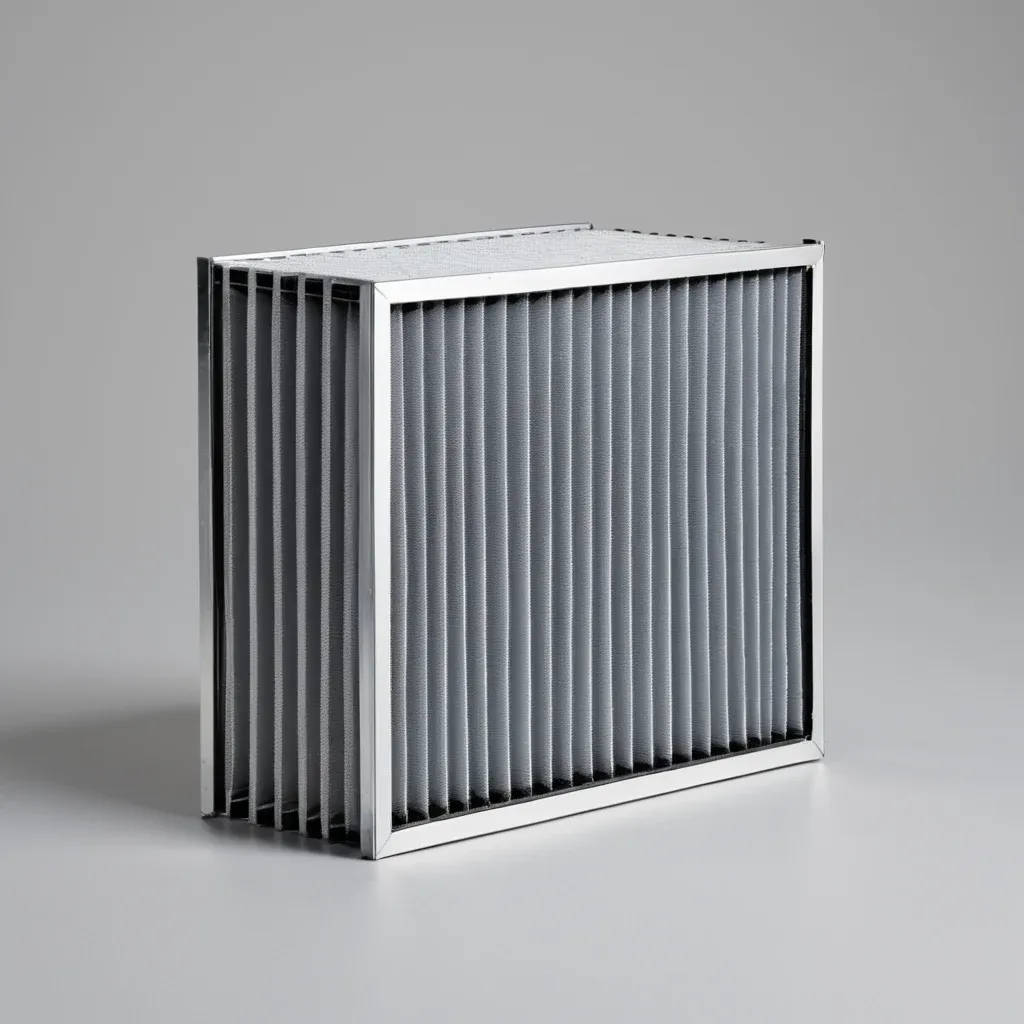
Filterbuy
Custom-size pleated HVAC filters in higher MERV ratings that trap finer particles in your furnace or AC.
Use it when: When you want a higher-MERV filter cut to your exact system size.
Shop Filterbuy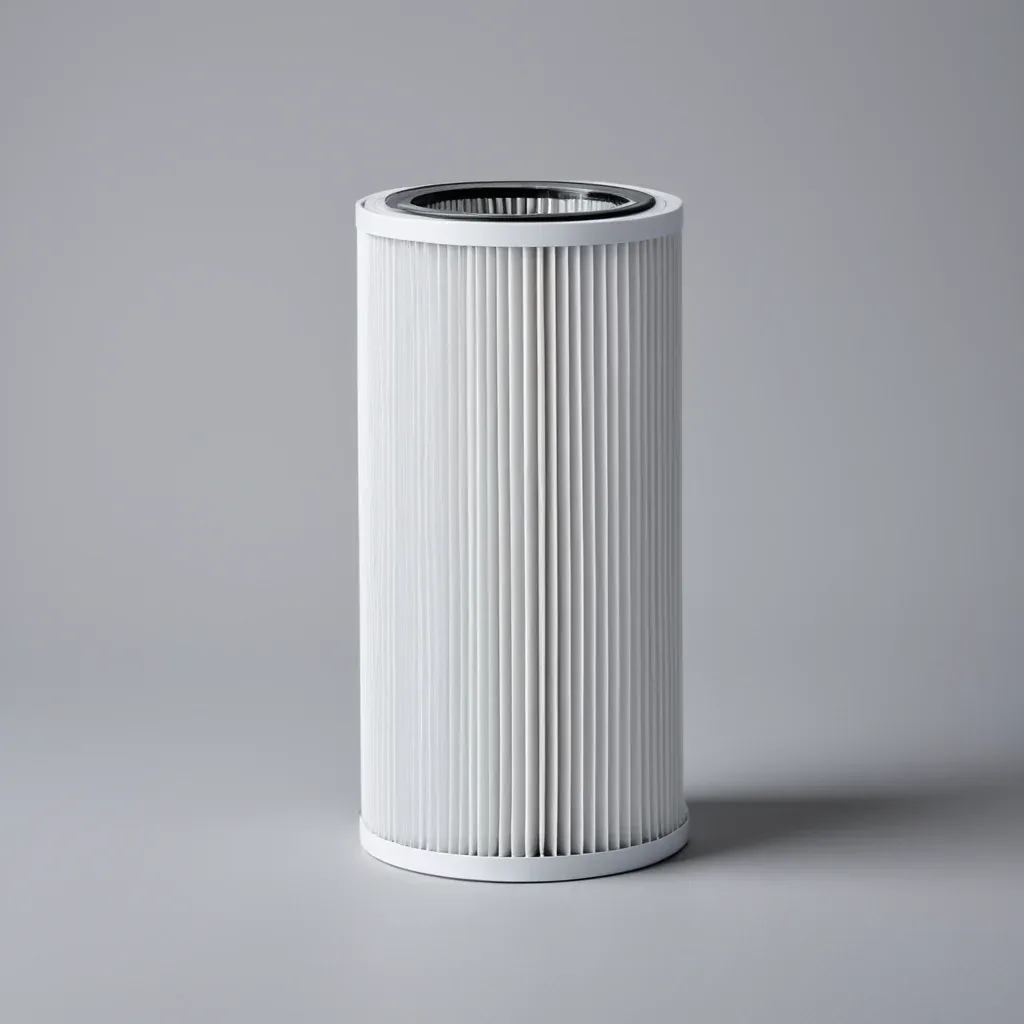
EnviroKlenz
HVAC and standalone filters built around a mineral cartridge aimed at neutralizing odors and VOCs as air passes through the system.
Use it when: When you want your HVAC to address gases and odors, not only particles.
Shop EnviroKlenzLooking for the right gear?
Browse the full toolkit by category.
Educational Disclaimer
This content is educational and does not constitute medical advice, diagnosis, or treatment. Mold-related illness is an area where the science is still developing — where a claim is contested, the article says so. Always work with a qualified clinician on health decisions, and with licensed professionals on remediation. Some links may be affiliate links; that never changes a recommendation.