HEPA vs Carbon: Why Your Air Purifier Isn't Helping With Mold Smell or VOCs

You bought a HEPA purifier, ran it for weeks, and the room still smells musty — or your eyes still sting in the new build. That is not a broken machine. It is the wrong tool for that particular job. HEPA and carbon do two completely different things, and most “mold” air problems are really two problems wearing the same coat: particles you can filter, and gases you cannot.
HEPA captures particles — that is all it does
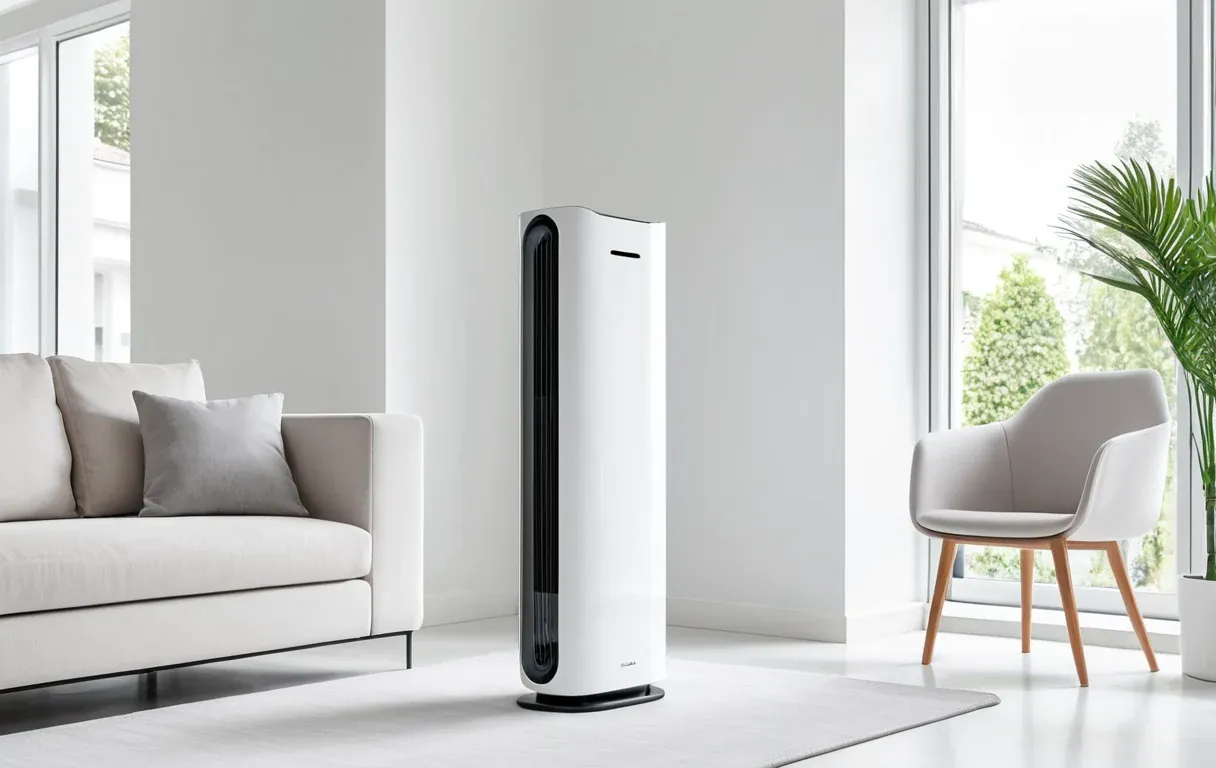
A true HEPA filter is a dense mat of fibers that traps at least 99.97% of airborne particles at 0.3 microns. Mold spores (roughly 3 to 40 microns) and fungal fragments are particles, so a HEPA purifier genuinely pulls them out of the air. What HEPA cannot do is capture a gas. A gas molecule is thousands of times smaller than the smallest particle HEPA is built to stop; it passes straight through the fibers as if they were not there.
The musty smell and the new-building sting are gases
That musty odor is not spores. It is mVOCs — the microbial volatile organic compounds fungi give off as they grow. In a new build, the eye and airway irritation is usually formaldehyde and solvent VOCs off-gassing from engineered wood, paint, and adhesives. All of these are gases. Run a HEPA-only purifier against them and you will clean the particles from the air while the exact thing you can smell or feel drifts right through. This is the most common and most expensive air-purifier mistake people make.
Carbon adsorbs gases — but not all carbon is equal
Activated carbon works by adsorption: gas molecules stick to an enormous internal surface area. That makes it the right tool for odors and VOCs. Two things decide whether it actually helps:
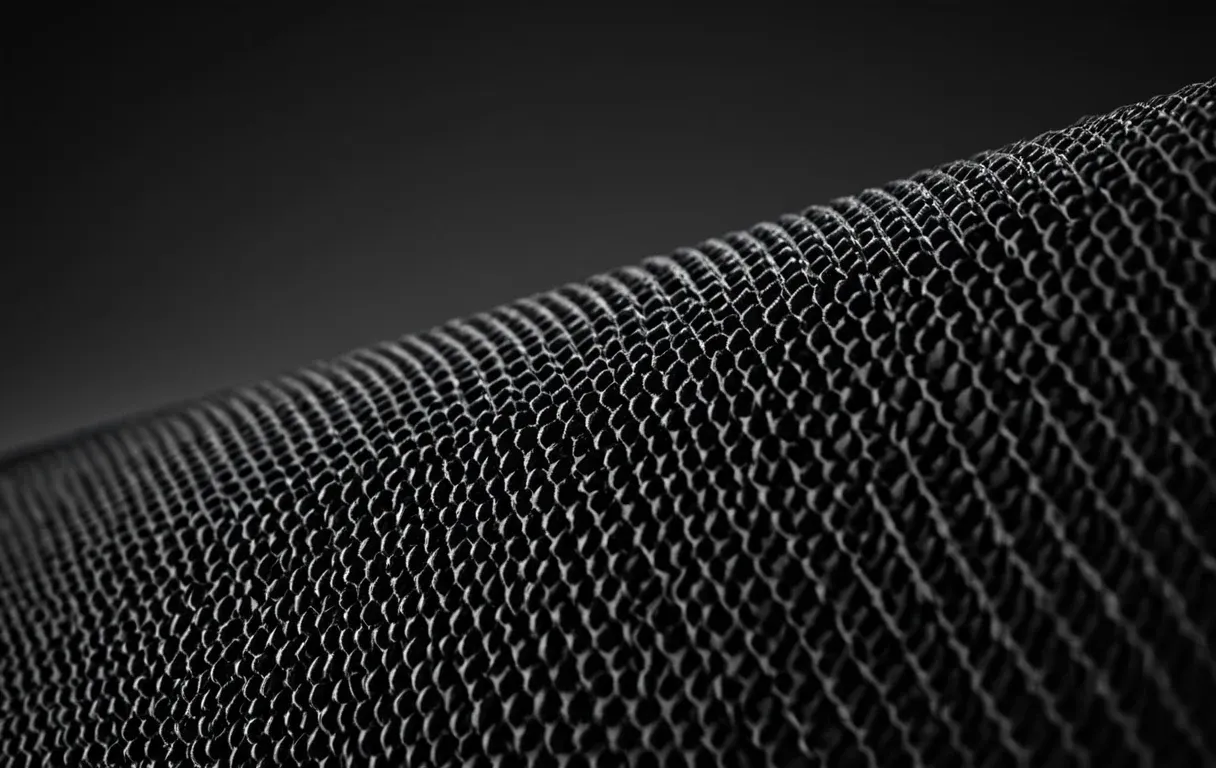
- Amount matters. A few ounces of pelleted carbon in a combo filter saturate in weeks. Serious gas control needs pounds of carbon — the standalone gas units carry 15 to 18 lbs.
- Formaldehyde is special. Plain activated carbon barely holds it. To capture formaldehyde you need carbon impregnated with an oxidizer — potassium permanganate or potassium iodide — which chemically converts it. “Has carbon” is not enough; you need impregnated carbon rated for it.
So which do you actually need?
- Mold spores, dust, and allergens after remediation → HEPA (particles).
- A musty mVOC odor → a large amount of standard activated carbon.
- New-construction formaldehyde → impregnated carbon rated for formaldehyde, not HEPA.
- Most real situations → both, in enough quantity: a true-HEPA-plus-heavy-carbon unit, or a HEPA unit paired with a dedicated gas-phase unit.
Choosing a unit that actually carries enough carbon
The gas-phase specialists are the ones with a carbon bed big enough to matter. AirDoctor and Austin Air pair true HEPA with a real carbon bed, while Airpura and AllerAir build dedicated 15-to-18-lb carbon units — including formaldehyde-specific media for a new build. One rule to shop by: for gases, prioritize the weight and type of carbon over a high particle CADR number. A big CADR tells you how fast it clears smoke and dust; it tells you nothing about how much formaldehyde the unit can hold.
Match the machine to the problem you actually have, give it enough carbon, and the purifier finally does the thing you bought it for.
Sources and further reading
This article is educational guidance, not medical advice. The primary sources below inform this section of the site — each is republished here in full, and linked to the original publisher so you can read it at the source.
- EPA — Improving Indoor Air Quality — original at epa.gov
- CPSC & EPA — The Inside Story: A Guide to Indoor Air Quality — original at cpsc.gov
- EPA — What Are Volatile Organic Compounds (VOCs)? — original at epa.gov
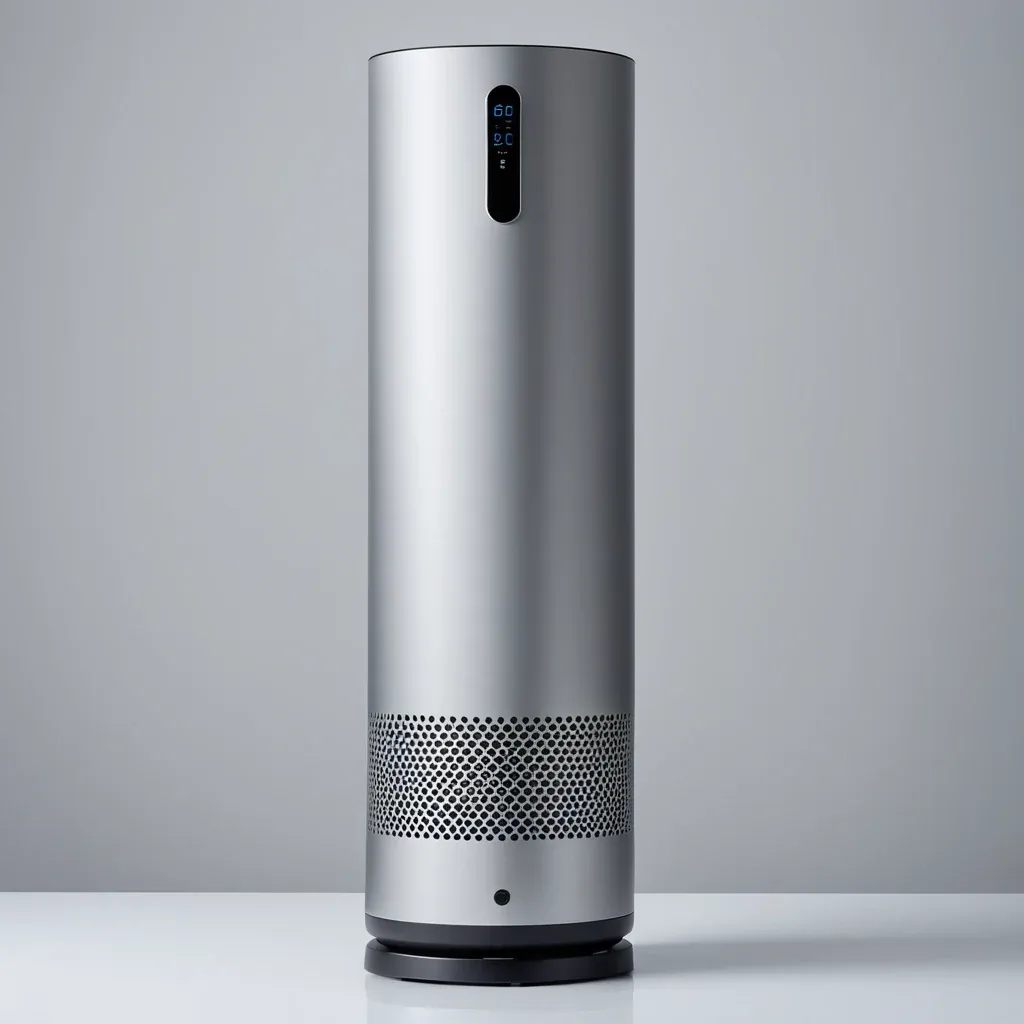
Airpura
Carbon-forward purifiers with deep filter beds, including impregnated-carbon options built to adsorb gases and VOCs, not just particles.
Use it when: When formaldehyde or solvent off-gassing is the problem, not only dust.
Shop Airpura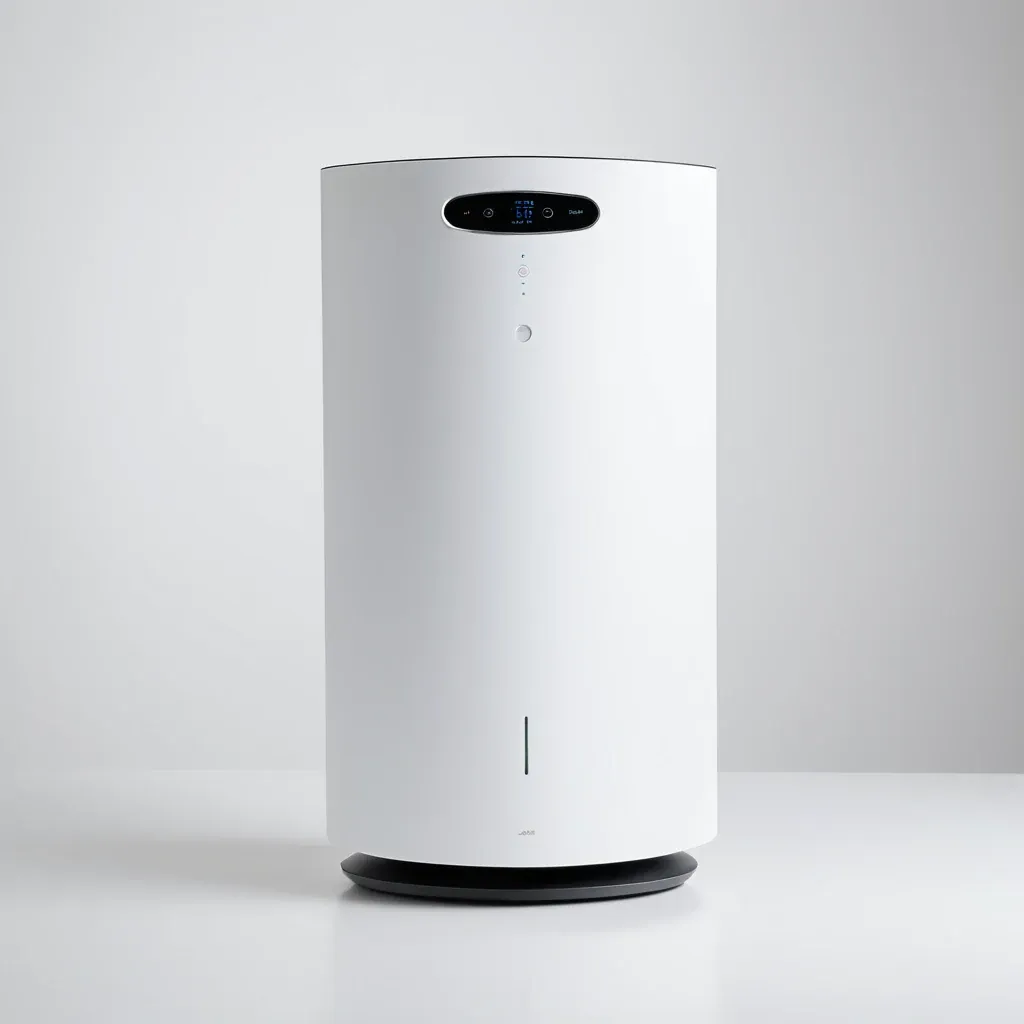
AirDoctor
A high-efficiency purifier pairing an UltraHEPA stage with a carbon/VOC stage, sized for living rooms and bedrooms.
Use it when: When you want to lower airborne particles and odors in a main living space.
Shop AirDoctorLooking for the right gear?
Browse the full toolkit by category.
Educational Disclaimer
This content is educational and does not constitute medical advice, diagnosis, or treatment. Mold-related illness is an area where the science is still developing — where a claim is contested, the article says so. Always work with a qualified clinician on health decisions, and with licensed professionals on remediation. Some links may be affiliate links; that never changes a recommendation.