The Best Mold Test Kit: What Each Type Actually Tells You

“Best mold test kit” is the wrong question. Different kits answer different questions, and buying the wrong type wastes money and hands you false comfort. Here is what each kind actually measures.
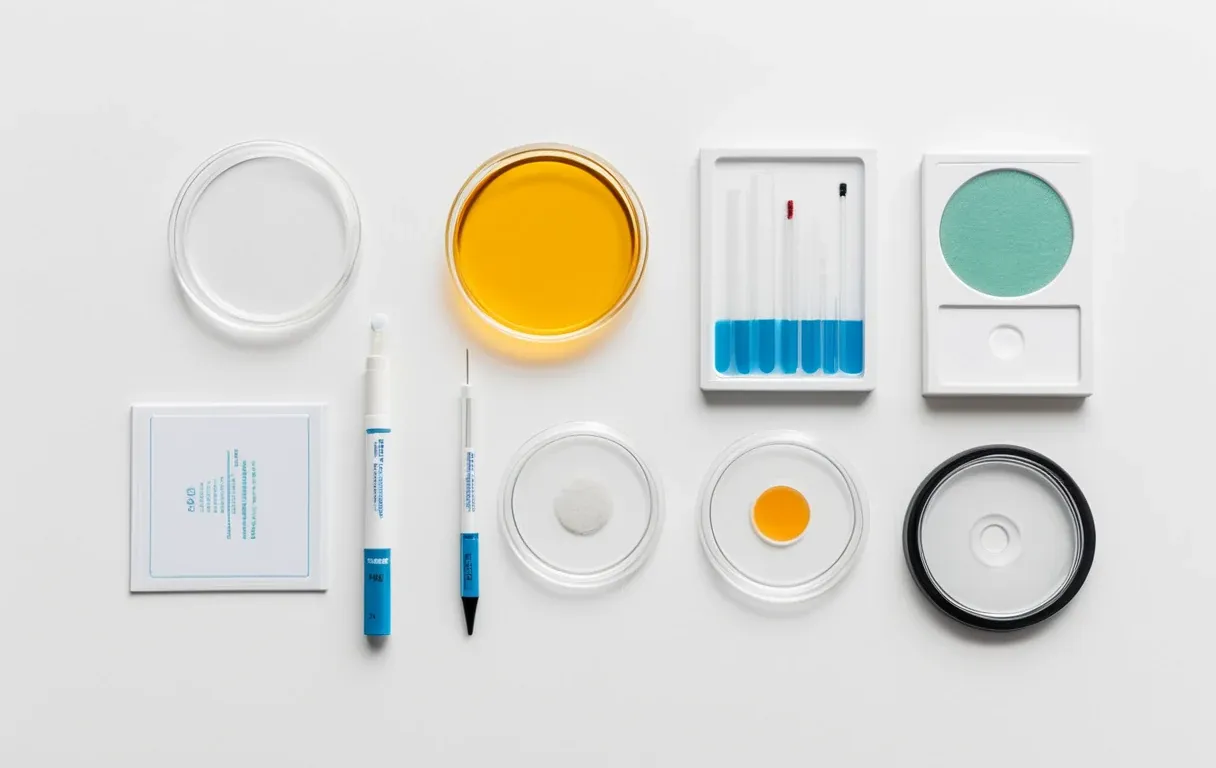
Petri dishes and settle plates (the cheap ones)
A dish of growth medium you leave open, then watch for colonies. Cheap and satisfying — and nearly useless for decisions. Spores are everywhere, so a plate almost always grows something; it cannot tell you whether your air is unusually moldy, and it cannot find hidden mold.
Surface swabs and tape lifts
You swab a visible spot and send it to a lab. Good for identifying WHAT a visible growth is; useless for finding what you cannot see. If you already see mold, a swab confirms the species — it does not measure your overall exposure.
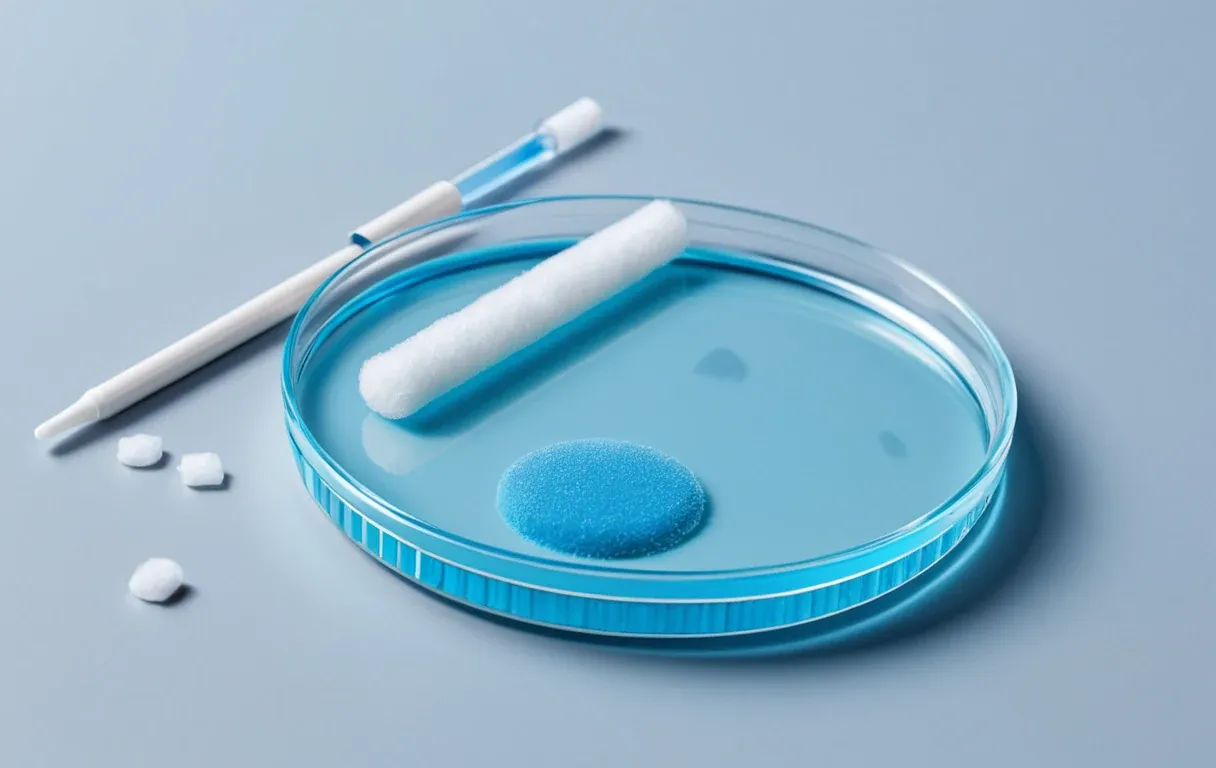
Dust analysis (ERMI, HERTSMI-2, and similar)
A DNA-based analysis of settled dust that produces an index score. This is the type that can flag an elevated mold burden even when nothing is visible — the right tool when you smell mold but can’t see it. The Dust Test and My Mold Detective work this way. For the debate over the scoring, see our ERMI vs HERTSMI-2 explainer.
Broad home screens
Kits like 5Strands screen many markers at once from a home sample — useful as a first pass across a whole house, less precise than a targeted dust analysis.
A quick comparison
|
Type |
What it tells you |
Best for |
|---|---|---|
|
Petri / settle plate |
Only that spores exist (they always do) |
Curiosity, not decisions |
|
Surface swab |
The species of a visible growth |
Identifying a stain you can see |
|
Dust index (ERMI / HERTSMI-2) |
Elevated hidden mold burden |
A musty smell with nothing visible |
|
Broad home screen |
Many markers at once, lower precision |
A whole-home first pass |
Which to actually buy
If you can see it, use a swab to identify it. If you smell it but can’t see it, use a dust analysis such as GOT MOLD? or The Dust Test. For a broad first look, a home screen like 5Strands gives you a wide read. Match the kit to your question and you get an answer you can act on.
Sources and further reading
This article is educational guidance, not medical advice. The primary sources below inform this section of the site — each is republished here in full, and linked to the original publisher so you can read it at the source.
- CDC/NIOSH — Mold, Testing, and Remediation — original at cdc.gov
- EPA — A Brief Guide to Mold, Moisture and Your Home — original at epa.gov
GOT MOLD?
A mail-in air-sampling kit that collects a room's airborne spores for independent lab analysis.
Use it when: When you want a clear, calm read on what's actually in the air.
Shop GOT MOLD?
5Strands
An affordable mail-in environmental panel that screens a dust sample against a broad list of molds.
Use it when: For an inexpensive first screen before deciding on lab air sampling.
Shop 5StrandsLooking for the right gear?
Browse the full toolkit by category.
Educational Disclaimer
This content is educational and does not constitute medical advice, diagnosis, or treatment. Mold-related illness is an area where the science is still developing — where a claim is contested, the article says so. Always work with a qualified clinician on health decisions, and with licensed professionals on remediation. Some links may be affiliate links; that never changes a recommendation.