What Your Moisture Readings Should Say

Two numbers decide most of this, and both come off equipment that costs less than a tank of fuel. A moisture meter and hygrometer turn a walkthrough from an impression into a measurement — but only if you know which readings mean proceed, which mean look closer, and which mean stop. That is this article.

The thresholds
|
Measurement |
Good |
Investigate |
Stop |
|---|---|---|---|
|
Wood moisture content |
Under 15% |
15 to 19% |
Over 19% |
|
Indoor relative humidity |
30 to 50% |
50 to 60% |
Over 60% |
|
Visible staining |
None |
Any, anywhere |
Soft or spongy surface |
|
Musty odor |
None |
Faint, intermittent |
Persistent or localised |
What each row is actually telling you
Wood moisture content is the one that carries the most weight, because it measures the material rather than the air. Under 15% is normal for framing and finished wood in a dry building. The 15-to-19% band is not a disaster, but it means something is putting water there and you want to know what. Over 19% is where mold growth becomes possible on the material itself, which is why it is a stop rather than a note — and why it overrides every other reading in the table.
Indoor relative humidity is the air half. The 30-to-50% band does two jobs at once: it is the range that prevents mold, and lower humidity also slows the off-gassing curve in a new build (what a new build off-gasses). Above 60% you are in the range where growth does not need a leak at all — the air is enough.
Visible staining has an unusually strict middle column, and deliberately so. Any staining anywhere is worth investigating, because the stain marks where water reached, not where it came from. A stain whose surface has gone soft or spongy means the material itself has failed, and that is structural rather than cosmetic.
Musty odor is the least precise row and still worth having. A persistent smell, or one clearly stronger in a single room, is a directional finding — it tells you where to look. The reverse does not hold: no smell is not an all-clear, because mold in a wall cavity often produces nothing detectable in occupied space (a musty smell with no visible mold). Where your nose is the only instrument you have, an air-sampling kit is the one that measures instead of guesses.

⚠ A reading is a snapshot, not a guarantee
This is the caution that matters most, and it is the one people skip. A moisture meter reading is a snapshot. A building checked in August during a dry spell will read differently from the same building in February. A clean reading is good news about today — it is not a guarantee about the wet season.
That is exactly why the framing question and the occupancy history matter alongside the meter, and why they belong in the same hour (the walkthrough and the six questions). The meter tells you about the moment you are standing there. The written answers tell you about the months you were not.
Write the numbers down
A single reading is a snapshot; the same spot re-read three months later is information. Note the location, the number, and the date — six spots is plenty — and re-read them seasonally and after heavy weather. Any spot that climbs is worth attention even if it is still inside the good column, because a trend is a better signal than a threshold.
If a space will not hold the humidity band on its own, that is a moisture job rather than a filtration one, and a right-sized dehumidifier does more for you than another purifier. And if the readings are clean but you still feel unwell in the building, do not force the meter to answer a question it cannot — in a new build that is usually chemistry rather than water (mold vs. VOCs).
This article is educational and environmental information. It does not diagnose, treat, or prevent any condition. Work with a qualified clinician on health decisions and with licensed professionals on remediation.
Sources and further reading
This article is educational guidance, not medical advice. The primary sources below inform this section of the site — each is republished here in full, and linked to the original publisher so you can read it at the source.
- CDC/NIOSH — Mold, Testing, and Remediation — original at cdc.gov
- EPA — A Brief Guide to Mold, Moisture and Your Home — original at epa.gov
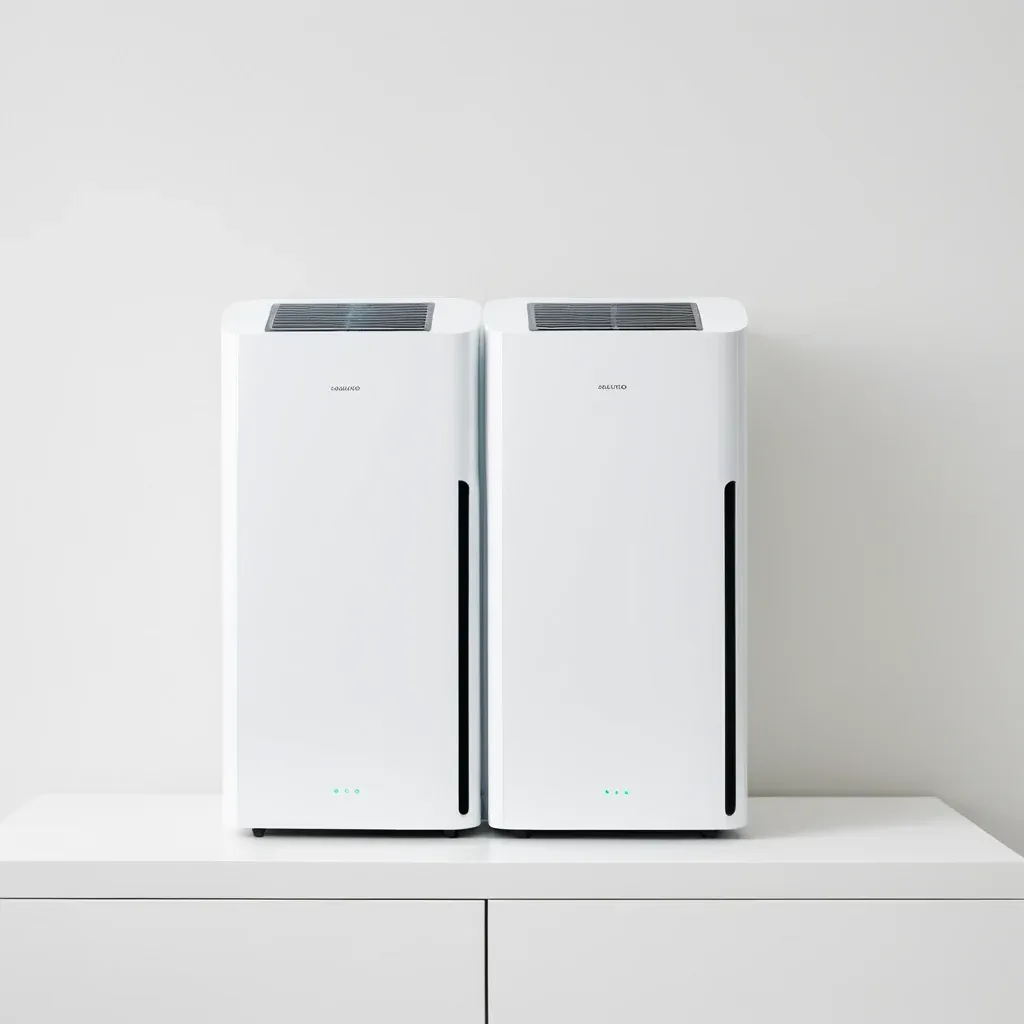
Sylvane
A specialty retailer for air purifiers, dehumidifiers, and filters, with staff who know the mold-specific gear.
Use it when: When you'd rather compare purifiers and dehumidifiers in one place.
Shop at Sylvane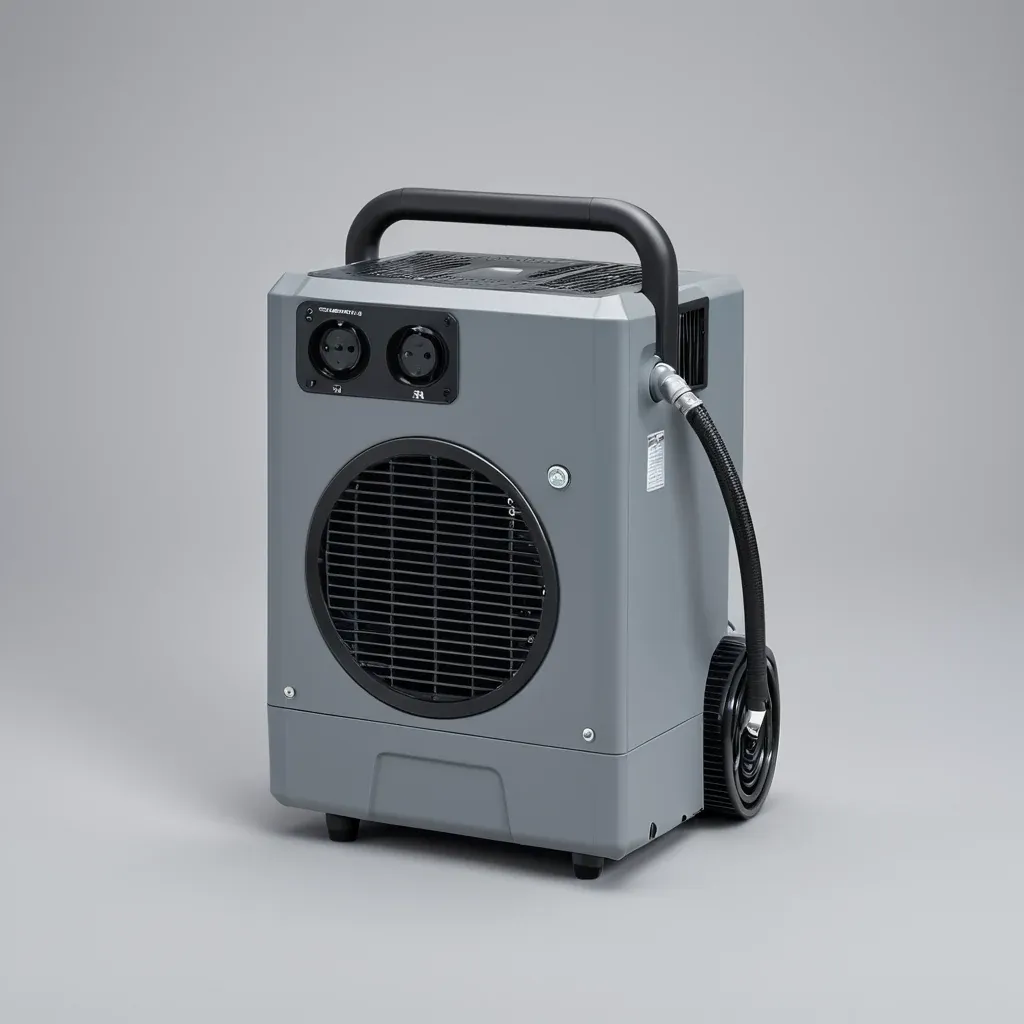
AlorAir Crawlspace
A compact crawl-space dehumidifier with a condensate pump for tight, humid under-house areas.
Use it when: When a crawl space needs continuous, hands-off moisture control.
Shop AlorAir CrawlspaceLooking for the right gear?
Browse the full toolkit by category.
Educational Disclaimer
This content is educational and does not constitute medical advice, diagnosis, or treatment. Mold-related illness is an area where the science is still developing — where a claim is contested, the article says so. Always work with a qualified clinician on health decisions, and with licensed professionals on remediation. Some links may be affiliate links; that never changes a recommendation.