The DIY New-Home Walkthrough Inspection

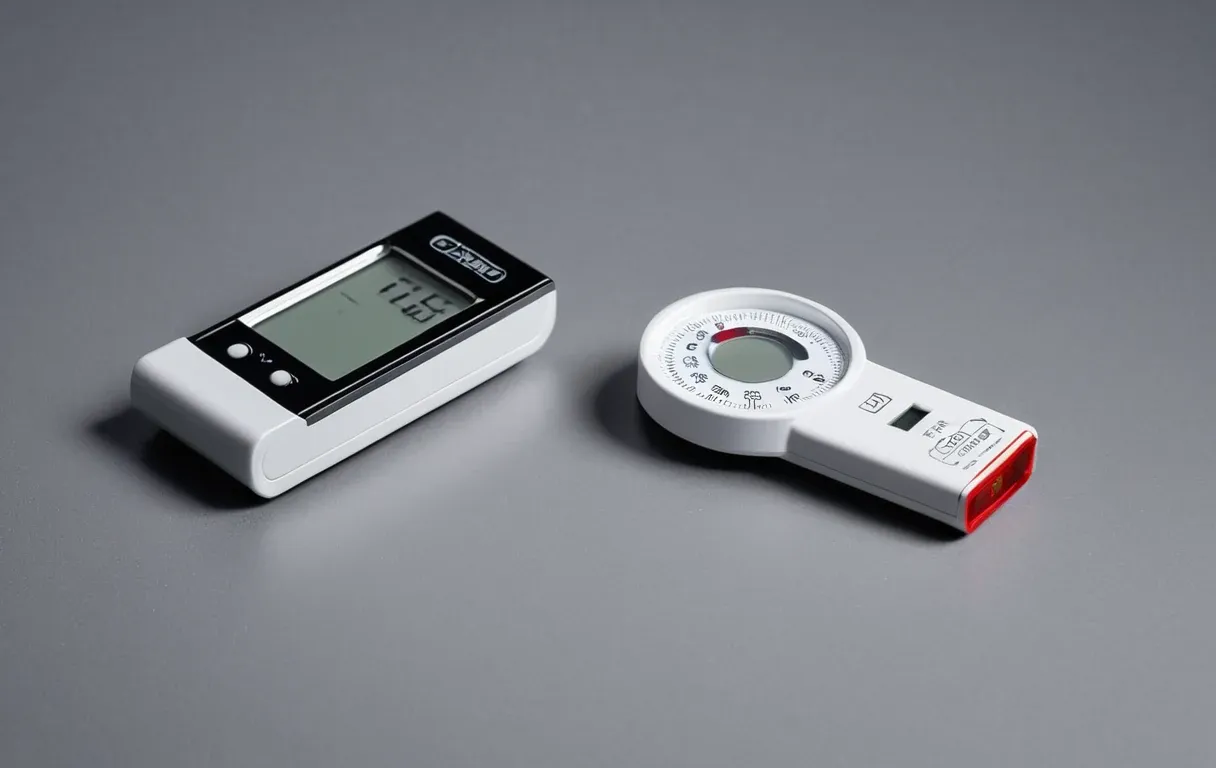
An hour and under $60 of equipment you keep afterwards will tell you more about a building than any disclosure form. This is the walkthrough to run before you sign anything — where to look, in what order, and what to ask afterwards in writing. The whole kit is a pin-type moisture meter and a hygrometer, and you will use both again in the first ninety days.
What to bring
- A pin-type moisture meter. Roughly $25 to $40. Pinless meters are convenient but less reliable on finished surfaces for this purpose.
- A digital hygrometer that reads temperature and relative humidity. Roughly $15.
- A bright flashlight. Your phone will do but a real one is better.
- Your phone camera, for documenting anything you find. Photographs taken before you signed are worth a great deal if there is ever a dispute.
On that last point: photograph anything questionable at the time, not from memory afterwards. The discipline is the same one that makes a tenant's case work — see how to document mold for your landlord.
Where to check, in order
The order matters, because it runs from highest yield to lowest. If you only get twenty minutes, the first three are the twenty minutes to spend.
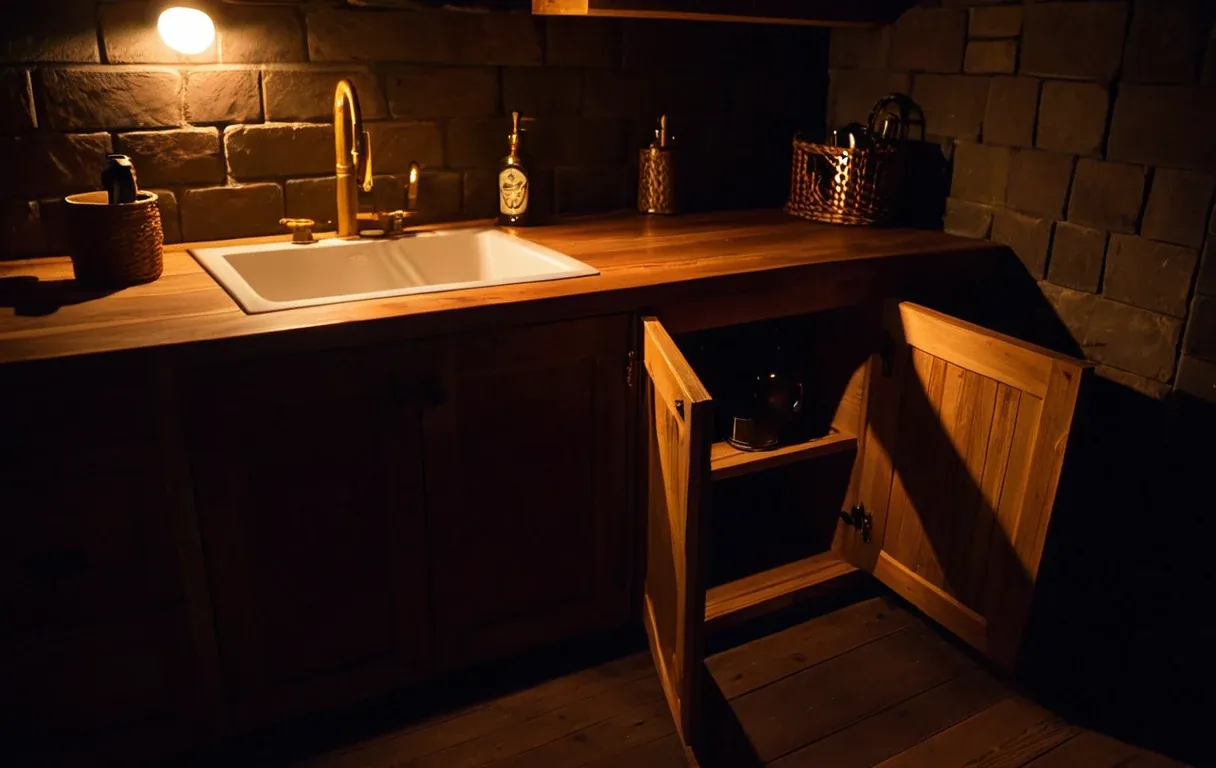
- Under every sink. Kitchen, all bathrooms, and the laundry hookup. Open the cabinet, get the flashlight into the back corners, look at the base of the cabinet and the wall behind the trap. Meter the cabinet floor.
- The sliding or patio door threshold, if the unit has one. Meter the threshold itself and the flooring within three feet of it. This is the highest-value single check in a ground-floor unit.
- Window sills, particularly on the weather-facing side. Look for staining at the corners and at the bottom track.
- The HVAC closet or air handler. Look at the condensate drain pan and the line. A pan holding standing water, or a line that terminates somewhere strange, is a finding.
- The water heater and its pan. A pan with a stain in it has caught something at least once.
- The base of exterior walls, behind where furniture will sit. Meter a few spots.
- The bathroom ceiling and the exhaust fan. Turn the fan on and hold a square of toilet paper to the grille; it should hold there. If it drops, the fan is not moving air — and in a tight new building that will cause a humidity problem within a year.
- Any shared wall with a unit that has a kitchen or bathroom on the other side.
What the numbers should say is its own short article — what your moisture readings should say — but the one threshold to memorise before you walk in is that anything over 19% wood moisture is stop-and-investigate, and it overrides everything else on the list.
The six questions, in writing
Email these to the builder, listing agent, or property manager. Written answers are what you want, both because people are more careful in writing and because you end up with a record.
- Was the framing exposed to precipitation during construction, and was framing moisture content verified before drywall installation? If so, may I see the readings?
- Have there been any water intrusion events, leaks, or moisture-related repairs in this unit or in the units directly above and adjacent? If so, what was done, and is there documentation?
- Does the unit have mechanical ventilation (ERV or HRV)? Was it commissioned and balanced, and may I see the commissioning report?
- Can you provide the TSCA Title VI compliance documentation for the cabinetry, and confirm whether any components use NAF or ULEF resins?
- Would you allow early access for ventilation prior to my move-in date?
- May I arrange an independent indoor air quality assessment prior to signing, at my own expense?
That last one is the most revealing question in the list. The answer to it tells you more about who you are dealing with than the answers to the other five combined. If the answer is yes, getting an independent assessment quoted before you sign is the cheapest it will ever be. Question four is the chemistry half of the picture — which certifications actually mean what covers it.
What this walkthrough cannot tell you
A meter reading is a snapshot of one day. It cannot see inside a wall cavity, and it cannot tell you what happened during construction — which is exactly why questions one and two exist alongside it. If you want a measurement of the air rather than the materials, a mail-in air-sampling kit is the next step up, and which test tells you what is worth reading first so you buy the one that answers your actual question.
Everything here feeds the larger decision, which is laid out in the new-home decision framework.
This article is educational and environmental information. It does not diagnose, treat, or prevent any condition. Work with a qualified clinician on health decisions and with licensed professionals on remediation.
Sources and further reading
This article is educational guidance, not medical advice. The primary sources below inform this section of the site — each is republished here in full, and linked to the original publisher so you can read it at the source.
- CDC/NIOSH — Mold, Testing, and Remediation — original at cdc.gov
- EPA — A Brief Guide to Mold, Moisture and Your Home — original at epa.gov
Sylvane
A specialty retailer for air purifiers, dehumidifiers, and filters, with staff who know the mold-specific gear.
Use it when: When you'd rather compare purifiers and dehumidifiers in one place.
Shop at Sylvane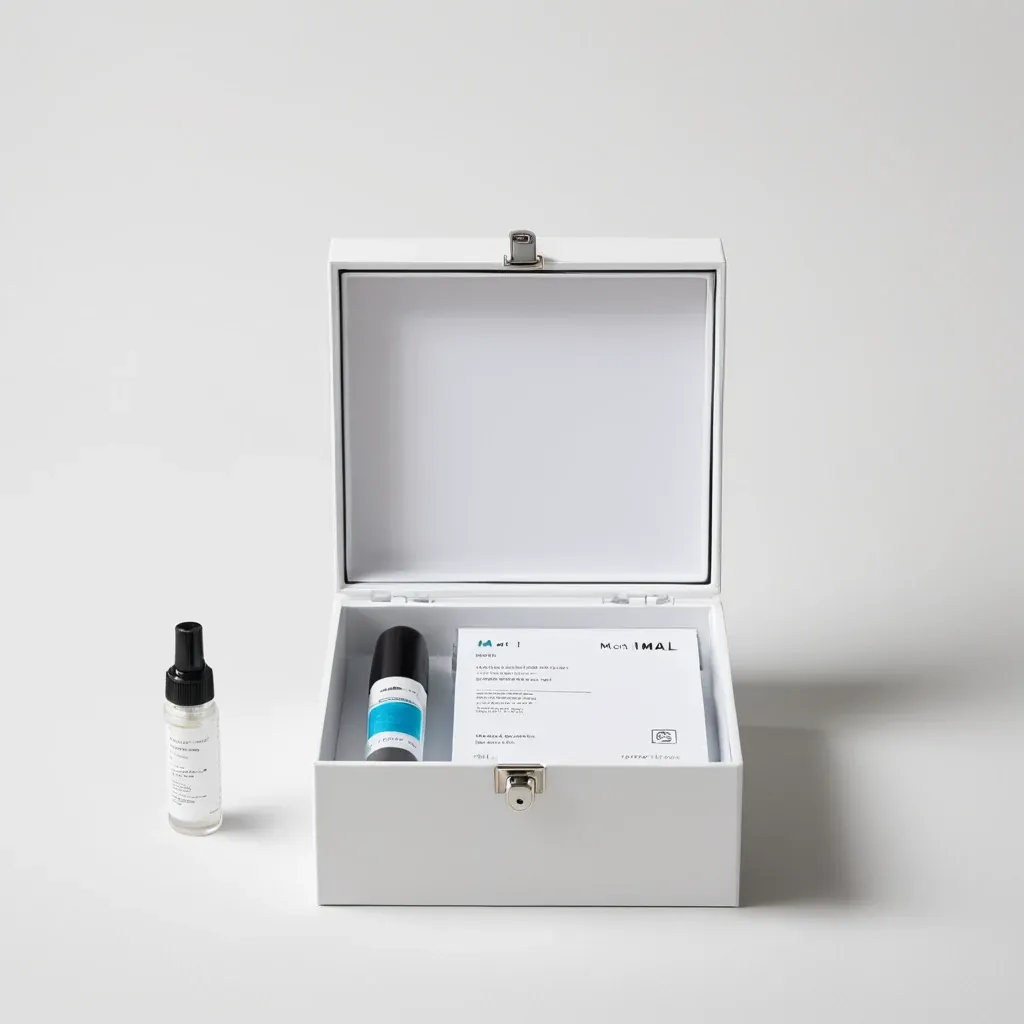
GOT MOLD?
A mail-in air-sampling kit that collects a room's airborne spores for independent lab analysis.
Use it when: When you want a clear, calm read on what's actually in the air.
Shop GOT MOLD?Looking for the right gear?
Browse the full toolkit by category.
Educational Disclaimer
This content is educational and does not constitute medical advice, diagnosis, or treatment. Mold-related illness is an area where the science is still developing — where a claim is contested, the article says so. Always work with a qualified clinician on health decisions, and with licensed professionals on remediation. Some links may be affiliate links; that never changes a recommendation.