ERMI vs HERTSMI-2: What the Dispute Is Actually About

If you have started testing your home’s dust for mold, you will quickly run into two acronyms that get argued about online — ERMI and HERTSMI-2 — and a surprising amount of heat around both. The dispute is real, but it is narrower than it looks. Here is what each one actually is, and where the disagreement genuinely sits.
What ERMI is
ERMI — the Environmental Relative Moldiness Index — is a dust test. You collect settled dust from the home, a lab runs qPCR to quantify the DNA of 36 mold species, and a formula combines them into a single relative score. It was developed by EPA researchers as a research tool to compare homes in studies.
The key fact the arguments often skip: the EPA itself states that ERMI was developed for research and is not validated or recommended for routine public use to assess an individual building. It is widely sold commercially anyway, which is the root of much of the controversy.
What HERTSMI-2 is
HERTSMI-2 (Health Effects Roster of Type-Specific Formers of Mycotoxins and Inflammagens, version 2) takes a subset of five of those species and scores them on a simpler scale, intended as a quick gauge of whether a building is likely to be tolerable for someone who is already mold-sensitive. It comes out of the Shoemaker clinical world and is used mostly as a re-entry or re-test check rather than a first diagnostic.
So what is the dispute actually about?
- Sampling variability — dust is patchy. Where and how you sample can move the score, so critics argue a single number carries more certainty than the method supports.
- Scope creep — ERMI was built to compare populations in research, not to grade one house; using it as a pass/fail for a specific home is using it outside its validated purpose (the EPA’s own point).
- Clinical vs environmental framing — HERTSMI-2 is a tool from a specific clinical school of thought; how much weight to give it depends on whether you accept that framework, which is itself contested.
A sane way to use them
Treat a dust index as one data point, not a verdict. If you want to know what is in your home, combine approaches: an ERMI-style dust analysis for the species picture, plus air sampling with a kit like GOT MOLD? or a reusable sampler such as My Mold Detective to see what is actually airborne where you breathe. Re-test after remediation to measure change rather than chasing an absolute number. And if you are making health decisions off these results, do it with a clinician who works in this area — the Shoemaker/Surviving Mold materials are where the HERTSMI-2 framework is taught, and a qualified practitioner can tell you whether it applies to your situation.
The honest bottom line: both tools measure something real, both are easy to over-interpret, and neither replaces finding and fixing the moisture that grew the mold in the first place.
Sources and further reading
This article is educational guidance, not medical advice. The primary sources below inform this section of the site — each is republished here in full, and linked to the original publisher so you can read it at the source.
- CDC/NIOSH — Mold, Testing, and Remediation — original at cdc.gov
- EPA — A Brief Guide to Mold, Moisture and Your Home — original at epa.gov

The Dust Test
A mail-in kit that analyzes settled household dust for mold and mycotoxin markers, so the result reflects a room over time rather than a single moment of air.
Use it when: When you want a dust-based read that represents a space, not just this minute's air.
Shop The Dust Test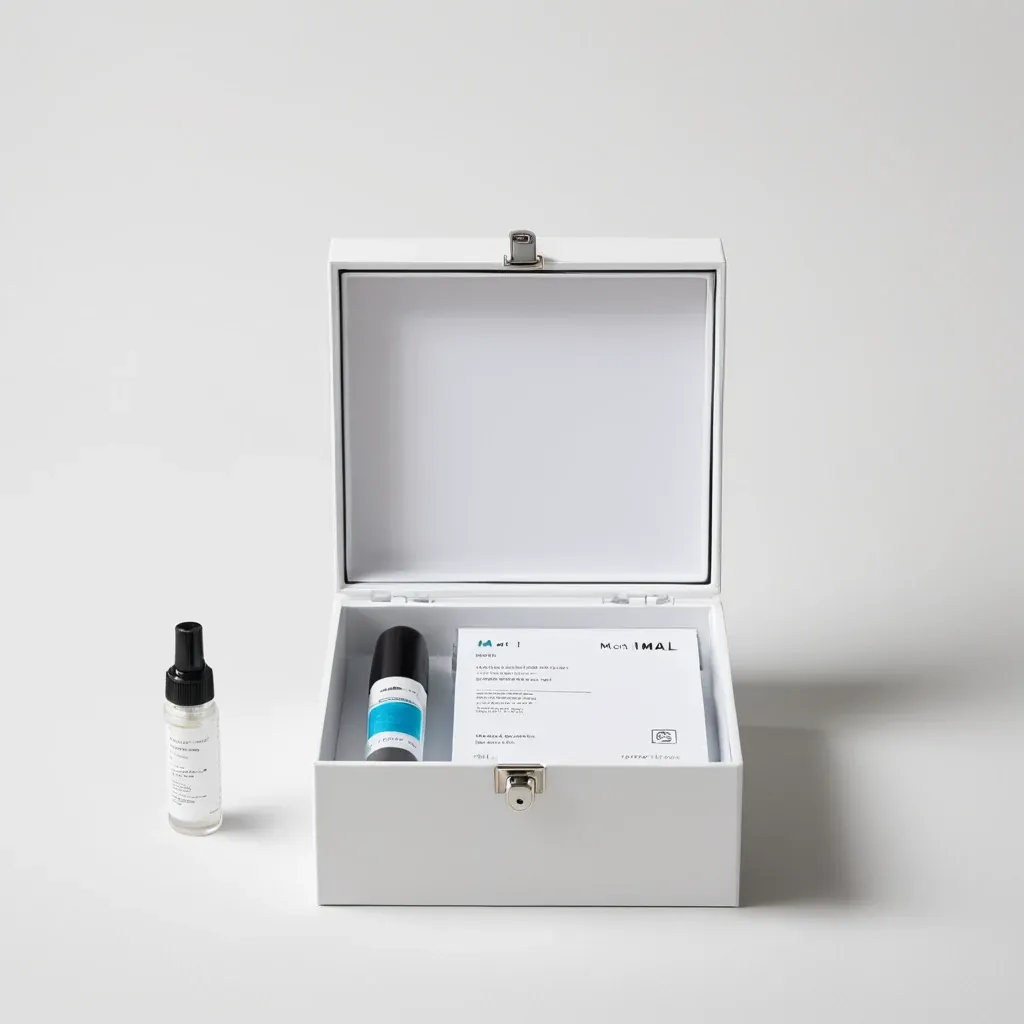
GOT MOLD?
A mail-in air-sampling kit that collects a room's airborne spores for independent lab analysis.
Use it when: When you want a clear, calm read on what's actually in the air.
Shop GOT MOLD?Looking for the right gear?
Browse the full toolkit by category.
Educational Disclaimer
This content is educational and does not constitute medical advice, diagnosis, or treatment. Mold-related illness is an area where the science is still developing — where a claim is contested, the article says so. Always work with a qualified clinician on health decisions, and with licensed professionals on remediation. Some links may be affiliate links; that never changes a recommendation.