Mold Exposure Symptoms: What’s Established and What Isn’t

“Mold symptoms” is one of the most searched — and most muddled — topics in this whole area. Some of it is settled science; some of it is genuinely contested; and a lot of the internet blurs the two. This article keeps them separate. If you are trying to figure out whether your home is involved, the most useful first move is usually to test your air rather than to match yourself against a symptom list.

What is well established
There is broad scientific consensus — from bodies like the CDC, the EPA, the WHO, and the Institute of Medicine — that damp, moldy indoor environments are associated with a real set of effects, especially in the airways:
- Upper-respiratory and allergic symptoms — congestion, runny nose, sneezing, itchy or watering eyes, throat irritation.
- Asthma effects — mold and dampness can trigger asthma attacks in people who have asthma, and damp homes are associated with the development of asthma and wheeze, particularly in children.
- Hypersensitivity reactions — in a smaller group, more pronounced allergic responses; and rarely, hypersensitivity pneumonitis with heavy exposure.
- More symptoms in the sensitive — people with allergies, asthma, or weakened immune systems tend to react more, and sooner.
That much is not fringe — it is the mainstream reading of the evidence, and it is why reducing exposure and drying out a home are uncontroversial, sensible steps.
What is genuinely contested
Beyond the airway picture, a broader model exists — variously called “mold illness,” CIRS (Chronic Inflammatory Response Syndrome), or mycotoxin illness — that attributes wide-ranging, multi-system symptoms (fatigue, brain fog, mood changes, pain, temperature dysregulation, and many others) to indoor mold and mycotoxin exposure in non-allergic people. This is where the science is unsettled.
- Many clinicians and researchers consider this model unproven — they point to the lack of validated diagnostic criteria and the non-specific nature of the symptoms.
- A community of practitioners and patients report real improvement when the exposure is addressed, and treat the framework as clinically useful.
- Both things can be true at once: people are genuinely unwell, and the mechanism and diagnosis remain scientifically contested. Honest writing says so instead of picking a side and hiding the other.
What to do with that
Two moves are reasonable no matter where the science lands. First, find out whether mold is actually present — an dust analysis and an air-sampling test kit tell you far more than a symptom checklist ever will. Second, reduce your exposure while you sort it out: fix the moisture, and run capable air filtration such as a HEPA-plus-carbon purifier to lower what you are breathing day to day.
For anything health-related, work with a qualified clinician — ideally one who will take both your symptoms and the scientific uncertainty seriously. This article is educational, not medical advice, and where a claim is contested, it says so on purpose.
Sources and further reading
This article is educational guidance, not medical advice. The primary sources below inform this section of the site — each is republished here in full, and linked to the original publisher so you can read it at the source.
- CDC — Mold and Health — original at cdc.gov
- EPA — Mold and Health — original at epa.gov
- NIEHS — Mold — original at niehs.nih.gov
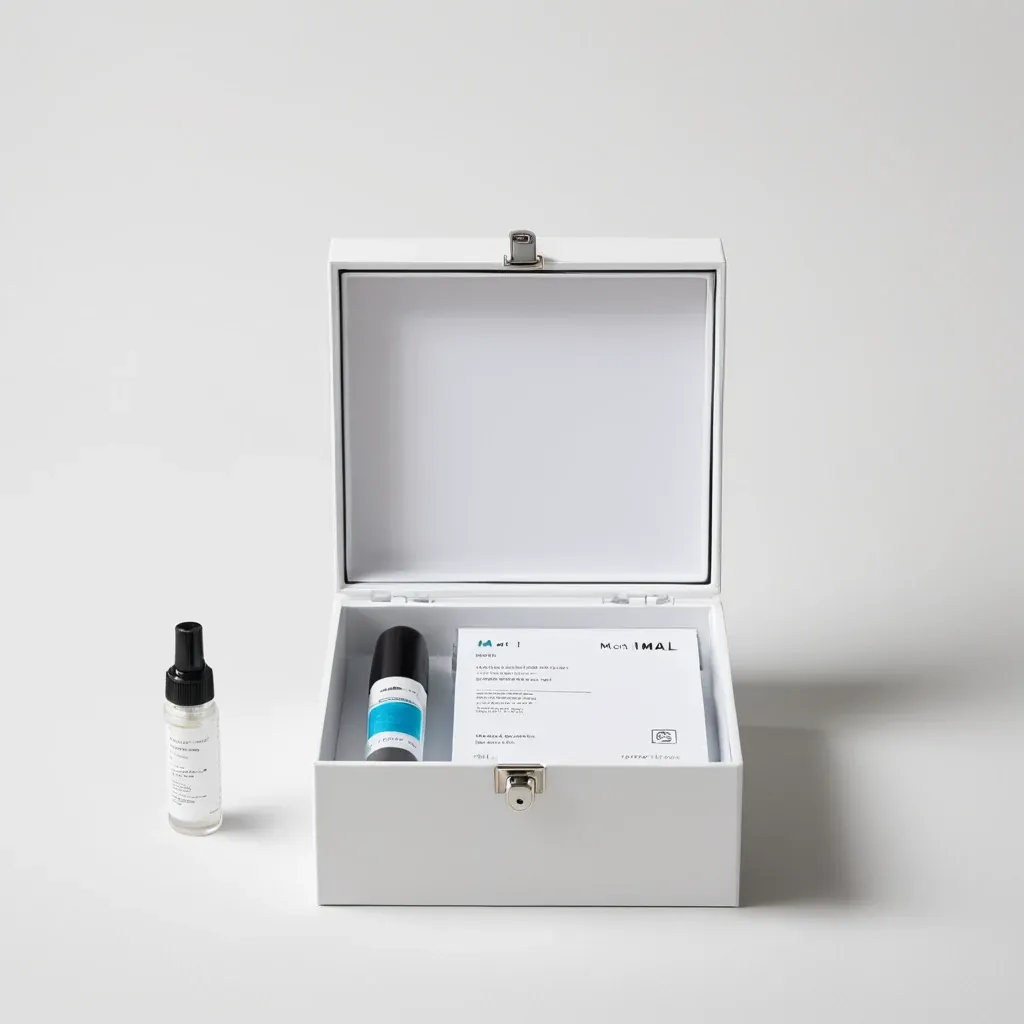
GOT MOLD?
A mail-in air-sampling kit that collects a room's airborne spores for independent lab analysis.
Use it when: When you want a clear, calm read on what's actually in the air.
Shop GOT MOLD?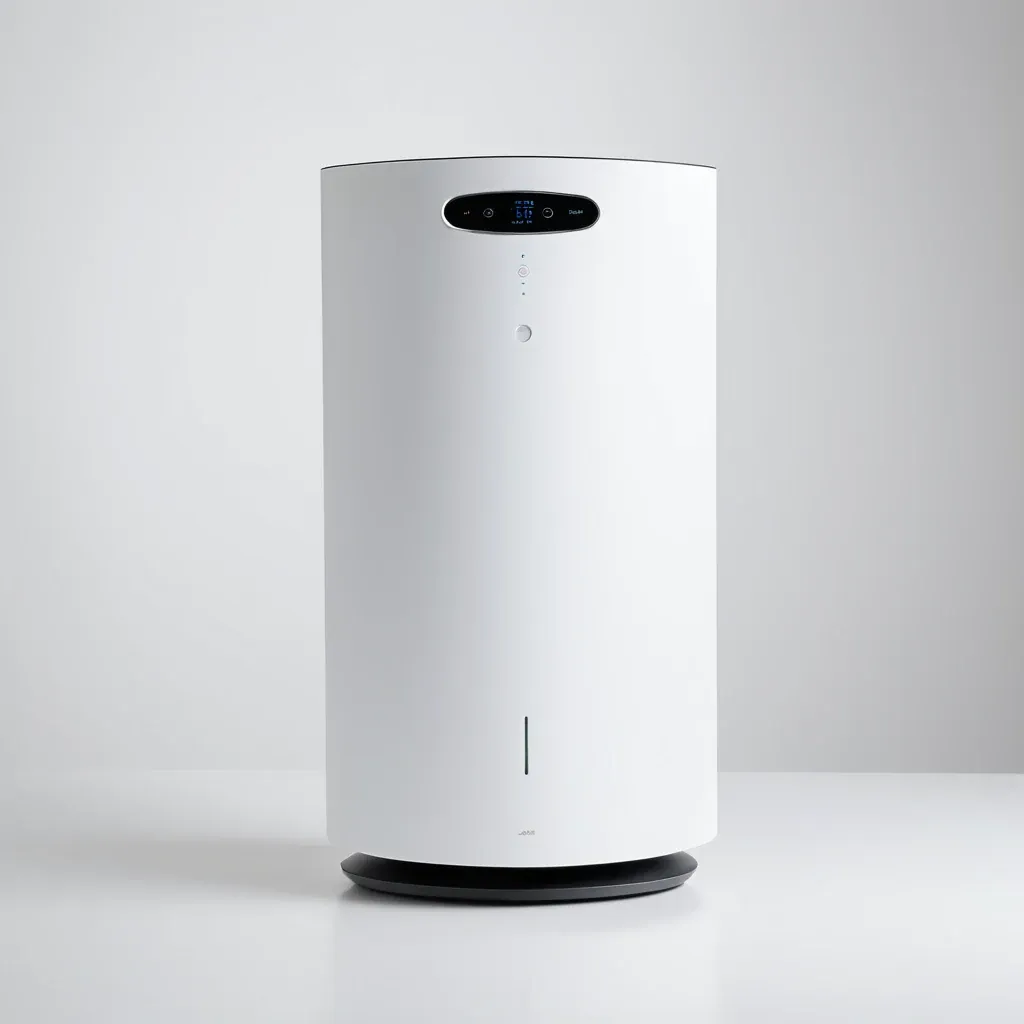
AirDoctor
A high-efficiency purifier pairing an UltraHEPA stage with a carbon/VOC stage, sized for living rooms and bedrooms.
Use it when: When you want to lower airborne particles and odors in a main living space.
Shop AirDoctorLooking for the right gear?
Browse the full toolkit by category.
Educational Disclaimer
This content is educational and does not constitute medical advice, diagnosis, or treatment. Mold-related illness is an area where the science is still developing — where a claim is contested, the article says so. Always work with a qualified clinician on health decisions, and with licensed professionals on remediation. Some links may be affiliate links; that never changes a recommendation.