Mold vs. VOCs: Two Problems That Feel The Same

If you got sick in one building and you are now standing in a different one feeling the same way, the most useful thing you can do is stop trusting the symptom and start measuring the room — a lab-analyzed air sample like GOT MOLD? answers a question your body cannot. Mold exposure and VOC exposure come from opposite kinds of buildings and are chemically unrelated, yet they produce almost the same list of complaints. That overlap is the single most expensive confusion in this whole subject, because the two problems have completely different fixes.
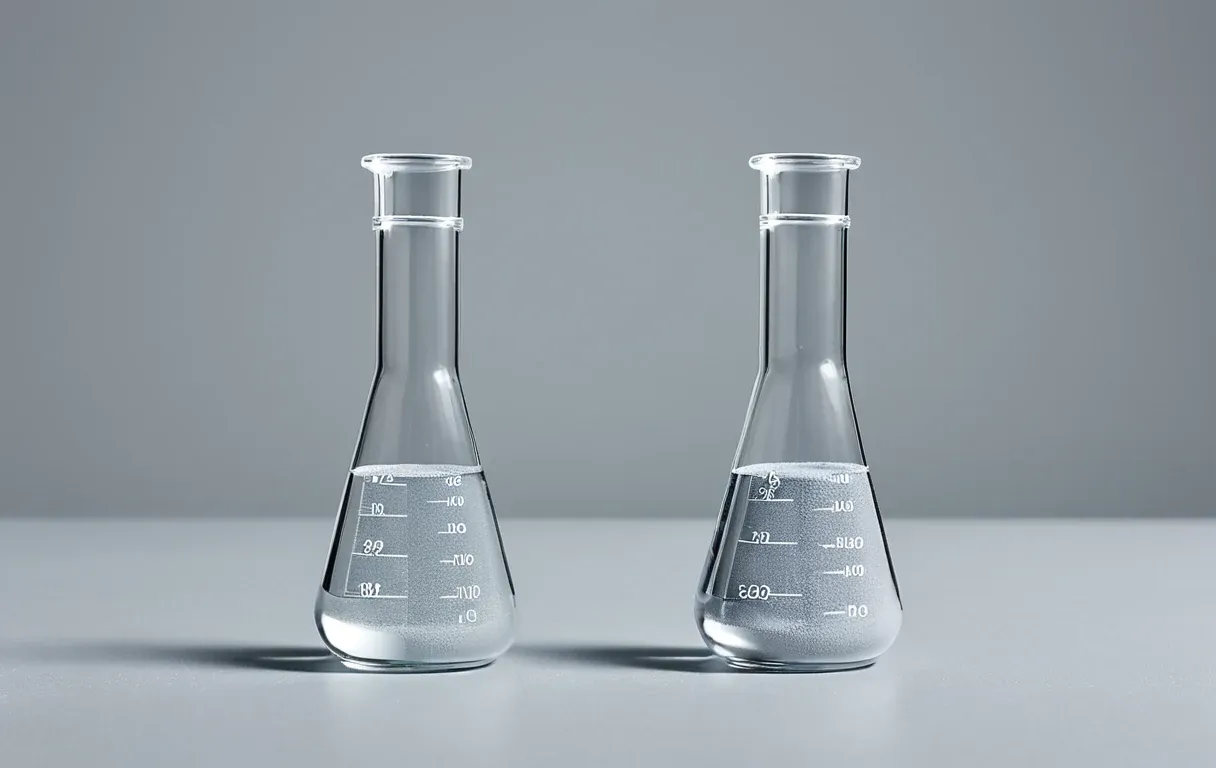
What a water-damaged building puts in the air
A building with a water history exposes you to four things at once, and only one of them is the thing everybody pictures:
- Spores — the reproductive particles, roughly 3 to 40 microns. These are what a HEPA filter is built to capture.
- Fungal fragments — smaller broken pieces of the same organism. More numerous than intact spores and not what a spore-count test is looking for.
- mVOCs — microbial volatile organic compounds, the gases fungi give off as they grow. This is the musty smell, and it is a gas, not a particle.
- Mycotoxins — produced by some species under some conditions. The most contested part of the picture and the part most often oversold to you.
The full breakdown lives in what a water-damaged building actually exposes you to.
What a new building puts in the air
A new building's profile is dominated by one thing: formaldehyde from engineered wood — cabinet boxes, subfloor, trim — plus solvent VOCs from paint, adhesives, and finishes. There is no biology involved. Nothing is growing. The materials themselves are releasing what was bonded into them at the factory, and they do it fastest when the building is new and warm.
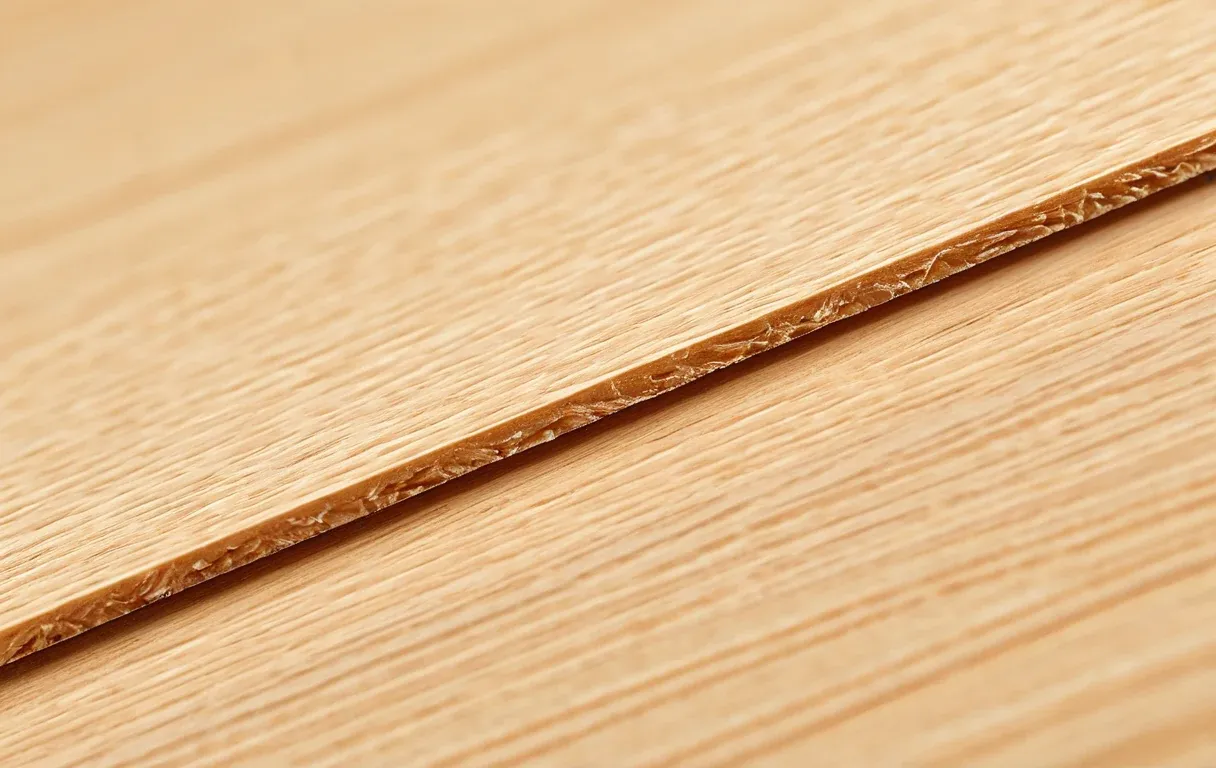
Why they feel identical from the inside
They are chemically unrelated but they hit the same immune machinery, which is why they feel the same from inside your own head. Both are airway and mucous-membrane irritants. Both are concentrated indoors and diluted outdoors. Both improve when you leave the building and return when you come back. That last one is the trap: the leave-and-return test proves a building is doing something to you. It does not tell you which building chemistry is responsible.
The differences you can actually use
- Direction over time. Mold gets worse, because the moisture feeding it is still there. Off-gassing decays — paint clears in weeks, cabinets can take months. Getting slowly better is a strong tell.
- Smell. Musty, earthy, cellar-like points at mVOCs from growth. Sharp, chemical, “new car” points at solvents and formaldehyde.
- Where it is worst. Mold concentrates near its moisture source — under a sink, along a wall base, in a crawl space. Off-gassing concentrates in closed casework; open a new cabinet, put your face in it, and breathe.
- What the season does. Mold tracks humidity. Off-gassing tracks heat — a hot closed-up house in July is the worst case for a new build.
They do not respond to the same equipment
This is where the confusion costs real money. HEPA captures particles and does essentially nothing to a gas — a gas molecule is thousands of times smaller than the smallest particle HEPA is designed to stop, and passes straight through. So spores respond to HEPA, while mVOCs and formaldehyde need activated carbon, and formaldehyde specifically needs carbon impregnated with an oxidizer. If you bought a purifier and nothing changed, that is usually the reason: HEPA vs. carbon, explained.
Practically: for the particle side, a true-HEPA unit with a real carbon bed such as AirDoctor covers both halves adequately. For a formaldehyde-dominant new build, the gas-phase specialists like Airpura carry pounds of impregnated carbon rather than ounces — which is the only spec that matters for a gas.
How to settle it for one specific address
- Put a hygrometer in the room. Hold 30–50%. Persistently above that is a mold-supporting building — and if it will not hold on its own, that is a moisture job, not a filter job (a right-sized crawl-space or basement dehumidifier is the usual answer).
- Take a pin-type moisture meter to the suspect walls. Wood under 15% is fine; over 19% is stop-and-investigate.
- Use your nose deliberately — musty versus chemical, and note where each is strongest.
- Open every cabinet and drawer and smell the inside. A sharp hit from closed casework is off-gassing, not mold.
- Then, and only then, pay for a test — and pick one that answers the question you actually have.
Which test tells you what is its own decision: see the best mold test kit. And if the building in question is brand new, the whole decision is laid out in is moving into a brand new home the right move?.
One exposure does not get to diagnose the next one. Measure the building you are actually standing in.
This article is educational and environmental information. It does not diagnose, treat, or prevent any condition. Work with a qualified clinician on health decisions and with licensed professionals on remediation.
Sources and further reading
This article is educational guidance, not medical advice. The primary sources below inform this section of the site — each is republished here in full, and linked to the original publisher so you can read it at the source.
- CDC — Mold and Health — original at cdc.gov
- EPA — Mold and Health — original at epa.gov
- NIEHS — Mold — original at niehs.nih.gov
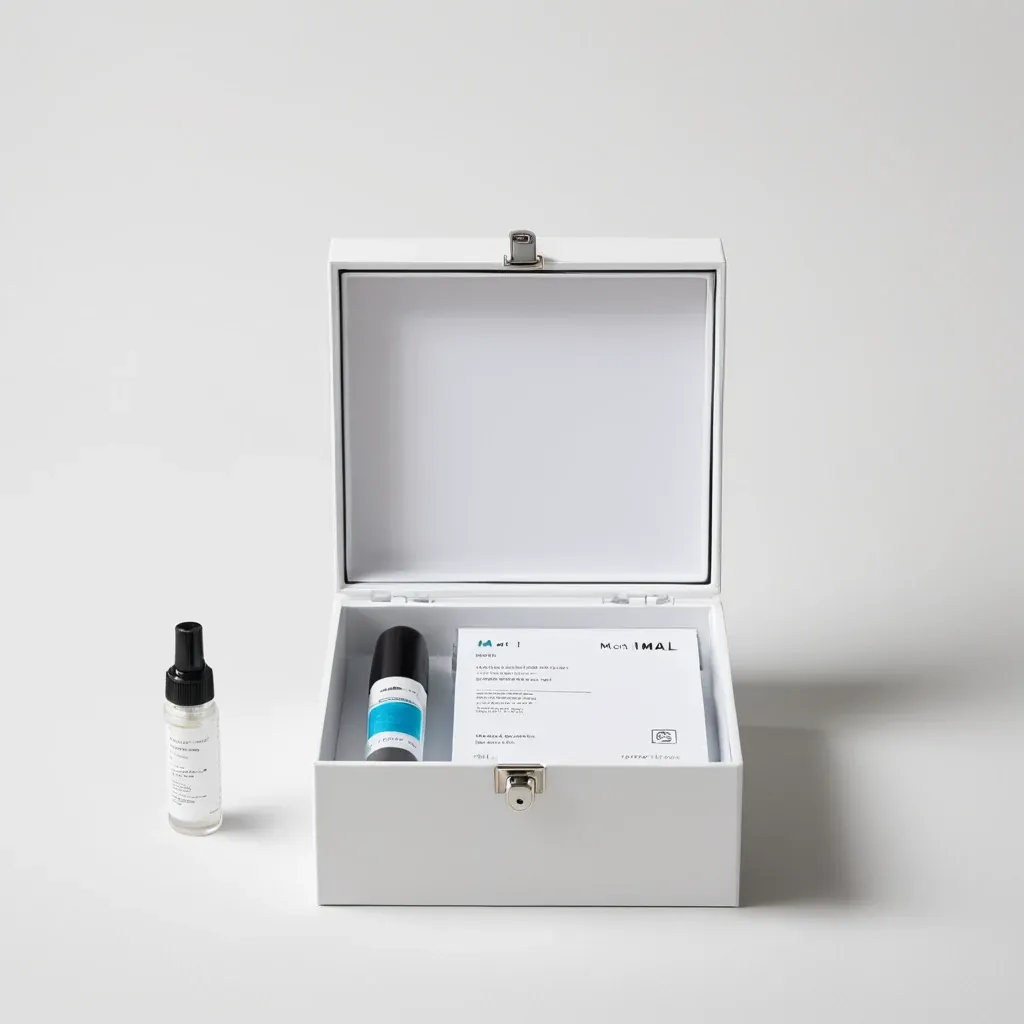
GOT MOLD?
A mail-in air-sampling kit that collects a room's airborne spores for independent lab analysis.
Use it when: When you want a clear, calm read on what's actually in the air.
Shop GOT MOLD?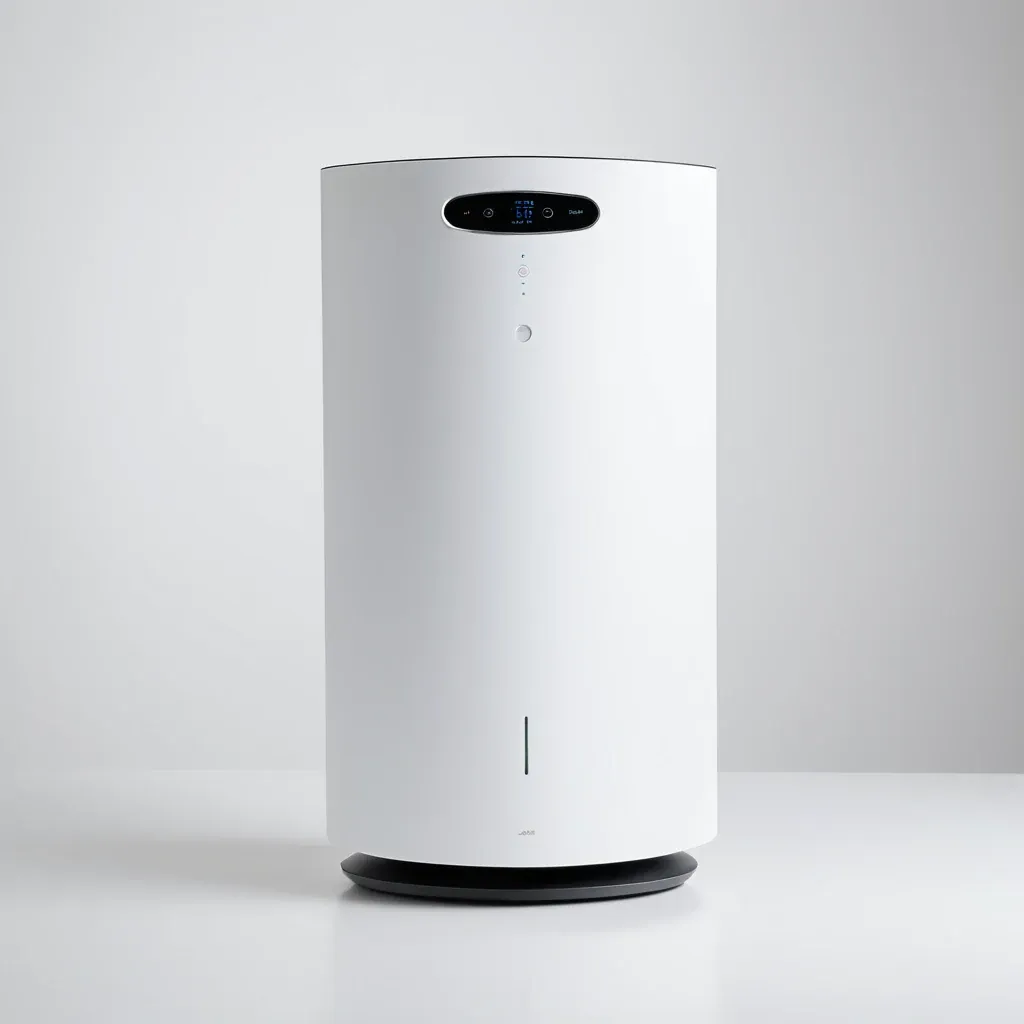
AirDoctor
A high-efficiency purifier pairing an UltraHEPA stage with a carbon/VOC stage, sized for living rooms and bedrooms.
Use it when: When you want to lower airborne particles and odors in a main living space.
Shop AirDoctorLooking for the right gear?
Browse the full toolkit by category.
Educational Disclaimer
This content is educational and does not constitute medical advice, diagnosis, or treatment. Mold-related illness is an area where the science is still developing — where a claim is contested, the article says so. Always work with a qualified clinician on health decisions, and with licensed professionals on remediation. Some links may be affiliate links; that never changes a recommendation.