Why Mold And New-Build Exposure Feel Identical

The cruelest thing about getting sick in a building is what it teaches you. You learn to read your own symptoms as a detector — headache means mold, fog means mold, scratchy throat means mold — and that lesson then follows you into the next building and gives you a confident wrong answer. The way out is unglamorous: put an instrument in the room instead. A basic humidity and air-quality monitor costs less than one bad decision and does not carry your history with it.

Same machinery, different molecules
A water-damaged building and a brand-new building expose you to chemically unrelated things — spores, fragments and mVOCs on one side, formaldehyde and solvent VOCs on the other. But they hit the same immune machinery, and that is why they feel identical from the inside. Your body is not reporting a chemical name. It is reporting irritation.
The trap: letting one exposure diagnose the next one
This is the most common mistake made by people who have already been through it. After being sick in a water-damaged building, the same headache and fog in a new build usually mean formaldehyde, not mold — a different problem with a different fix. Acting on the wrong one costs months: you will hunt for a leak that does not exist while the actual source, a house full of new casework, quietly off-gasses on.
Why your own history makes you less accurate, not more
Experience is supposed to improve judgment, and here it does the opposite, for two reasons. Sensitization means you now react at lower doses to more things, so the trigger threshold has dropped for irritants generally — not for mold specifically. And expectation shapes what you notice: once mold is the explanation you carry, ambiguous evidence gets filed under it. Neither of those is a character flaw. They are just reasons a symptom cannot serve as a chemical assay.
What the symptom can and cannot tell you
- It can tell you that this building is doing something to you — especially if you improve away from it and relapse on return.
- It can tell you roughly how bad the exposure is for you, and whether it is trending up or down.
- It cannot tell you which chemistry is responsible.
- It cannot tell you where in the building the source is.
- It cannot tell you whether the equipment you bought is the right kind.
Replace the symptom with three instruments
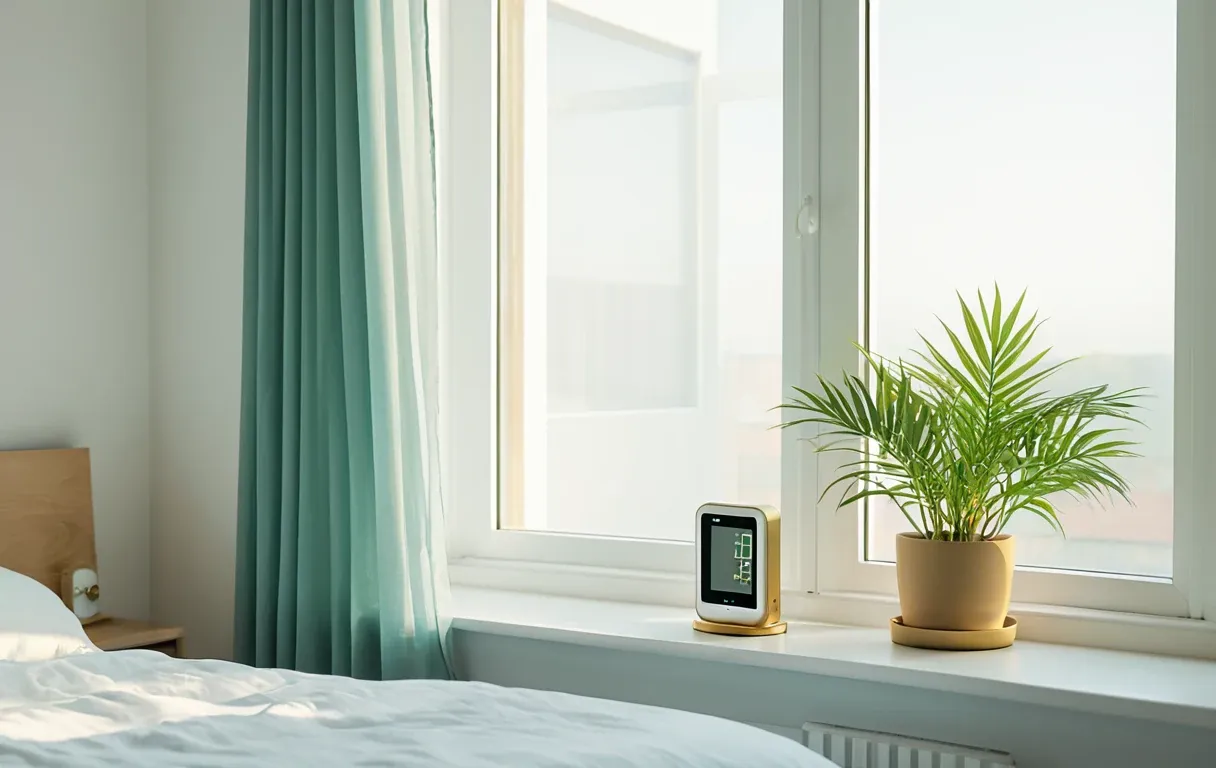
- A hygrometer. Under $20. Persistently above 50% is a building that supports growth; the target band is 30–50%.
- A pin-type moisture meter. Wood under 15% is fine, over 19% is stop-and-investigate. It reads the wall, not your mood.
- Your nose, used deliberately. Musty and earthy is microbial. Sharp and chemical is solvent. Smell inside closed cabinets — that is where off-gassing collects.
If those three disagree with your symptoms, believe the instruments. If they agree, you now have a direction and can spend money on the right test: which mold test tells you what. For the mold direction specifically, a lab-analyzed air sample such as GOT MOLD? gives you a defensible number rather than an impression.
The fix differs, which is the whole reason the diagnosis matters
- If it is mold: find and stop the water, dry the structure, remove what stayed wet. Filtration is the last step, not the first. If the source is not obvious, get two real quotes before you buy anything — the diagnosis is worth more than the equipment.
- If it is a new build: ventilate hard, open every cabinet and drawer so closed casework can release, hold humidity in band, and filter with carbon — impregnated carbon for formaldehyde, because HEPA does nothing to a gas. AirDoctor is the usual starting point for a whole-room unit that does both.
The two exposures are laid out side by side in mold vs. VOCs, the water-damage side in detail in what a water-damaged building exposes you to, and the new-build decision in is moving into a brand new home the right move?.
Do not let one building diagnose the next one. Measure the one you are standing in.
This article is educational and environmental information. It does not diagnose, treat, or prevent any condition. Work with a qualified clinician on health decisions and with licensed professionals on remediation.
Sources and further reading
This article is educational guidance, not medical advice. The primary sources below inform this section of the site — each is republished here in full, and linked to the original publisher so you can read it at the source.
- CDC — Mold and Health — original at cdc.gov
- EPA — Mold and Health — original at epa.gov
- NIEHS — Mold — original at niehs.nih.gov
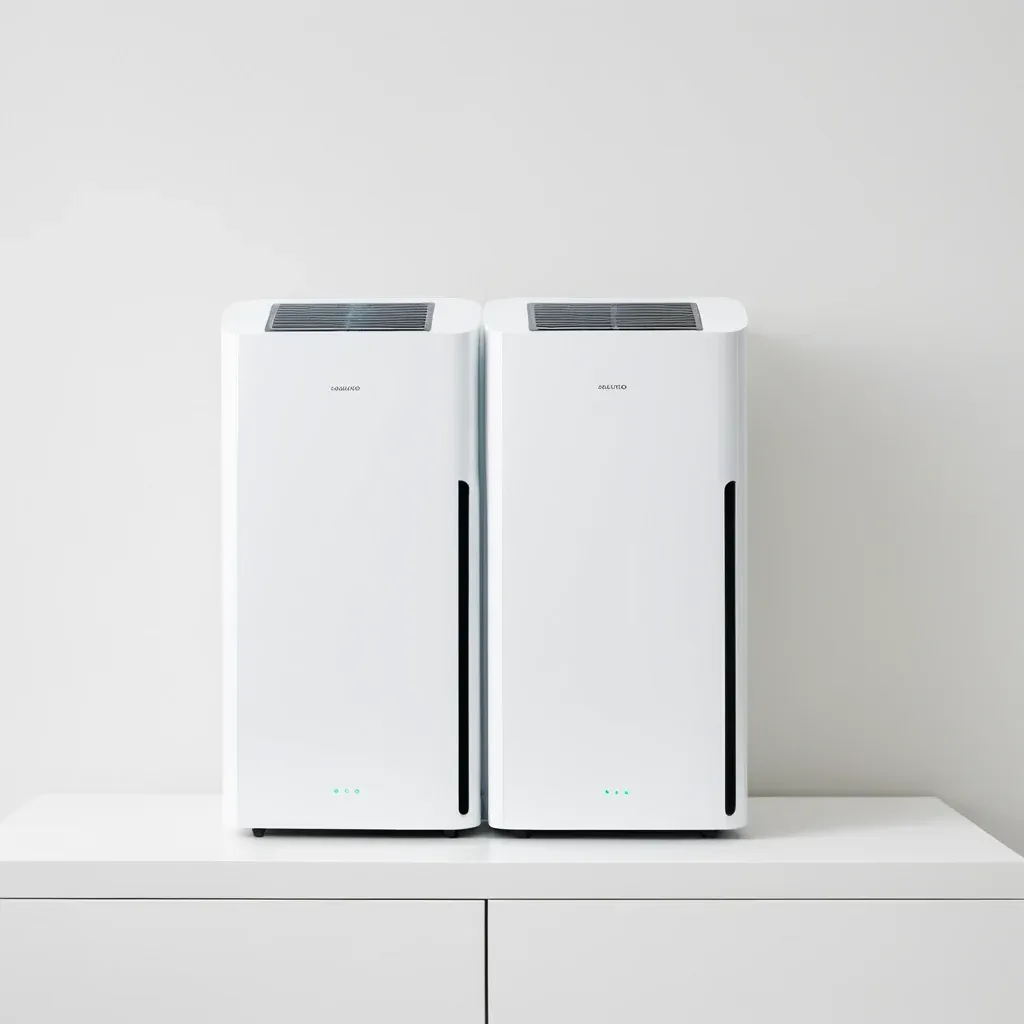
Sylvane
A specialty retailer for air purifiers, dehumidifiers, and filters, with staff who know the mold-specific gear.
Use it when: When you'd rather compare purifiers and dehumidifiers in one place.
Shop at Sylvane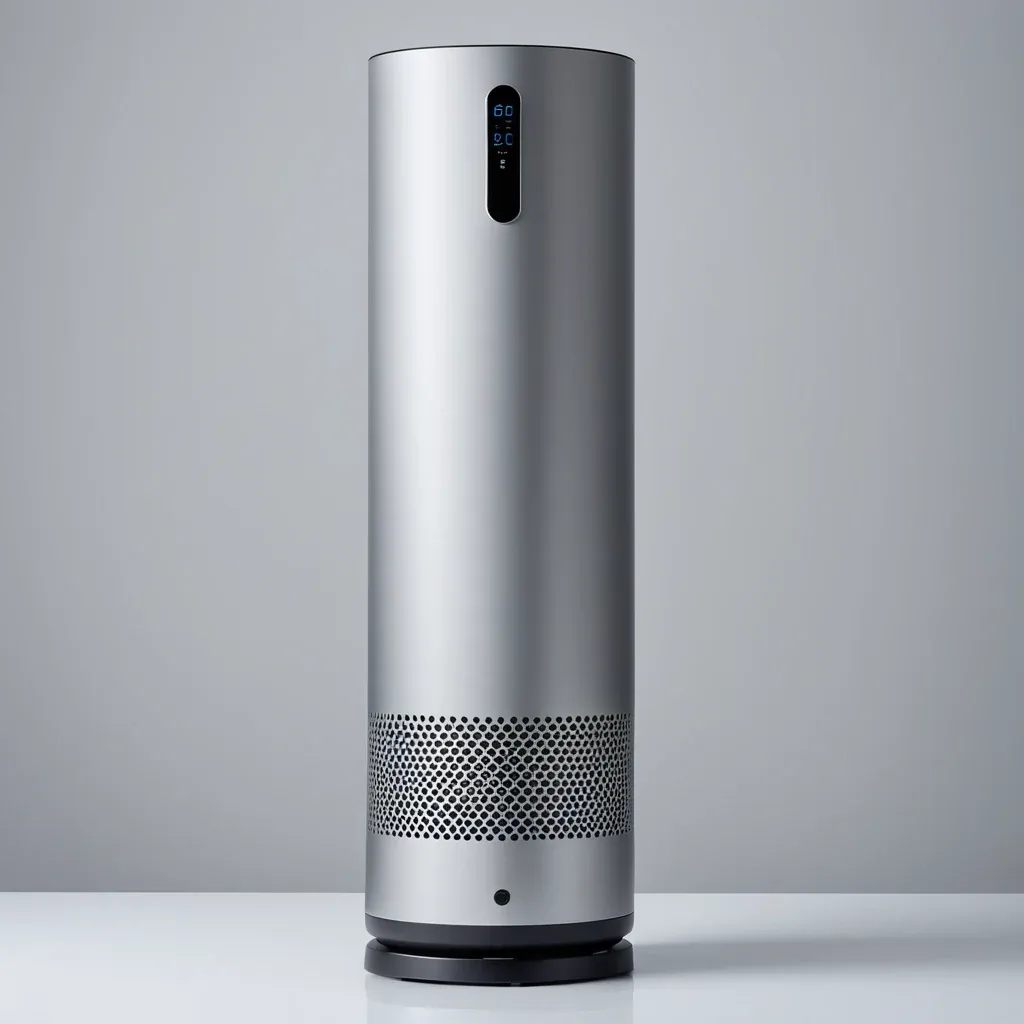
Airpura
Carbon-forward purifiers with deep filter beds, including impregnated-carbon options built to adsorb gases and VOCs, not just particles.
Use it when: When formaldehyde or solvent off-gassing is the problem, not only dust.
Shop AirpuraLooking for the right gear?
Browse the full toolkit by category.
Educational Disclaimer
This content is educational and does not constitute medical advice, diagnosis, or treatment. Mold-related illness is an area where the science is still developing — where a claim is contested, the article says so. Always work with a qualified clinician on health decisions, and with licensed professionals on remediation. Some links may be affiliate links; that never changes a recommendation.