What A Water-Damaged Building Actually Exposes You To

“Water damage” is a tidy phrase for a messy exposure. A building with a water history is not putting one substance into the air — it is putting at least four, and they behave differently, are measured differently, and are removed differently. If you want to know what is actually in your air rather than argue about it, a sampling kit you run yourself is the cheapest way to turn a suspicion into a result.
Four things, not one
The exposure profile of a water-damaged building is spores, fungal fragments, the musty gases called mVOCs, and sometimes mycotoxins. People collapse all four into the word “mold,” which is why conversations about it go badly — two people can each be right about a different one of the four.
Spores are the part everybody pictures
Spores are the reproductive particles, roughly 3 to 40 microns across. Because they are particles, they behave like dust: they settle, they get stirred up by activity, and they can be filtered. A true HEPA filter traps at least 99.97% of airborne particles at 0.3 microns, which puts spores comfortably inside what it can capture. This is the one part of the problem where a good air purifier genuinely does the job it is advertised for — a sealed true-HEPA unit such as Austin Air will measurably lower the particle count in a room it is correctly sized for.
Fungal fragments are smaller and more numerous
Intact spores are not the whole particle story. Growth also sheds broken fragments of hyphae and cell wall, which are smaller and far more numerous than the spores themselves. This matters for testing: a method that counts spores is counting one fraction of what is in the air, which is part of why two different tests of the same room can disagree without either one lying.
mVOCs — the musty smell is a gas, not a spore
That damp cellar smell is not spores. It is mVOCs, the microbial volatile organic compounds fungi give off as they grow. Two consequences follow, and both are practical. First, a smell is evidence of active growth somewhere, even when nothing is visible — a musty smell with no visible mold is a real and common situation. Second, because mVOCs are gases, HEPA does not touch them; removing a smell takes activated carbon, and a meaningful amount of it — the dedicated gas-phase units from Airpura carry 15 to 18 lbs of carbon, where a combo filter carries ounces and saturates in weeks.
Mycotoxins are the most contested part
Some species produce mycotoxins under some conditions. Beyond that, honesty requires a lot of hedging: what indoor airborne doses do to healthy people is genuinely disputed, the testing is inconsistent, and the topic attracts more confident marketing than confident evidence. We separate what is established from what is not in mold exposure symptoms, and the fight over how to score a dust sample is unpacked in ERMI vs. HERTSMI-2.
What creates all four: water
Every item on that list traces back to one condition. Fungi are everywhere already; what a water-damaged building supplies is the moisture that lets them grow. That is why mold is a moisture problem, not a cleaning problem — and why the number that predicts your risk is relative humidity, not a spore count. Hold the indoor band at 30–50%; if a basement or crawl space will not stay there on its own, a right-sized dehumidifier does more for the exposure than another purifier will — Santa Fe for a conditioned basement, AlorAir for a crawl space or an unconditioned one.
What actually reduces the exposure, in order
- Find and stop the water. Nothing below this line holds if the source is still running.
- Dry the structure. Wet materials keep producing all four outputs for as long as they stay wet.
- Remove what cannot be dried. Porous materials that stayed wet — drywall, insulation, carpet pad — come out. This is the step where a contractor earns or wastes your money.
- Filter what is left. HEPA for the particles, carbon for the smell — after the first three, not instead of them.
On that third step: see how to choose a remediation company and what remediation actually costs. If you are renting, document everything first — here is how.
And if you are comparing this building against a brand-new one, the exposure you would be trading it for is a different chemistry entirely: mold vs. VOCs, side by side.
This article is educational and environmental information. It does not diagnose, treat, or prevent any condition. Work with a qualified clinician on health decisions and with licensed professionals on remediation.
Sources and further reading
This article is educational guidance, not medical advice. The primary sources below inform this section of the site — each is republished here in full, and linked to the original publisher so you can read it at the source.
- CDC — Mold and Health — original at cdc.gov
- EPA — Mold and Health — original at epa.gov
- NIEHS — Mold — original at niehs.nih.gov
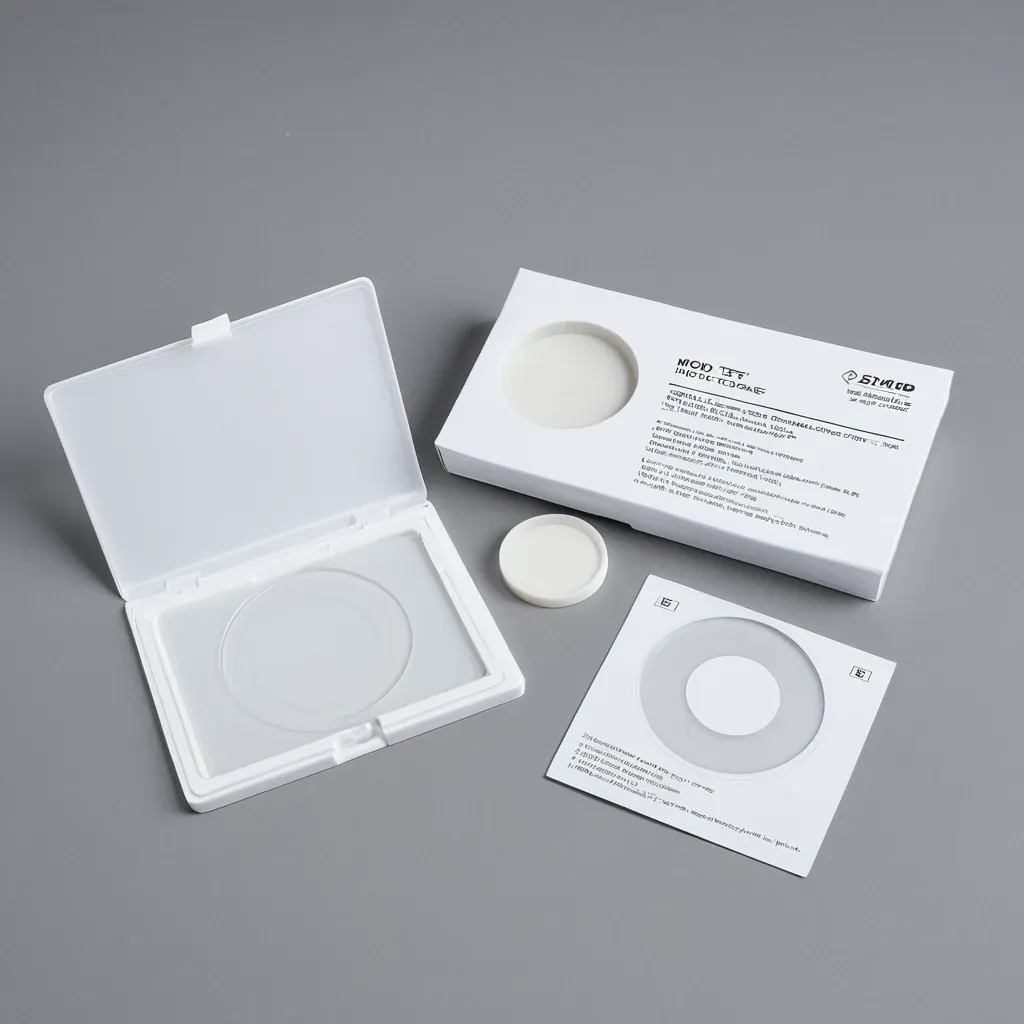
DIY Mold Test
A do-it-yourself kit that collects a room's airborne spores onto culture plates, with optional lab analysis and a written report.
Use it when: When you want a low-cost first check you can run yourself, one room at a time.
Shop DIY Mold Test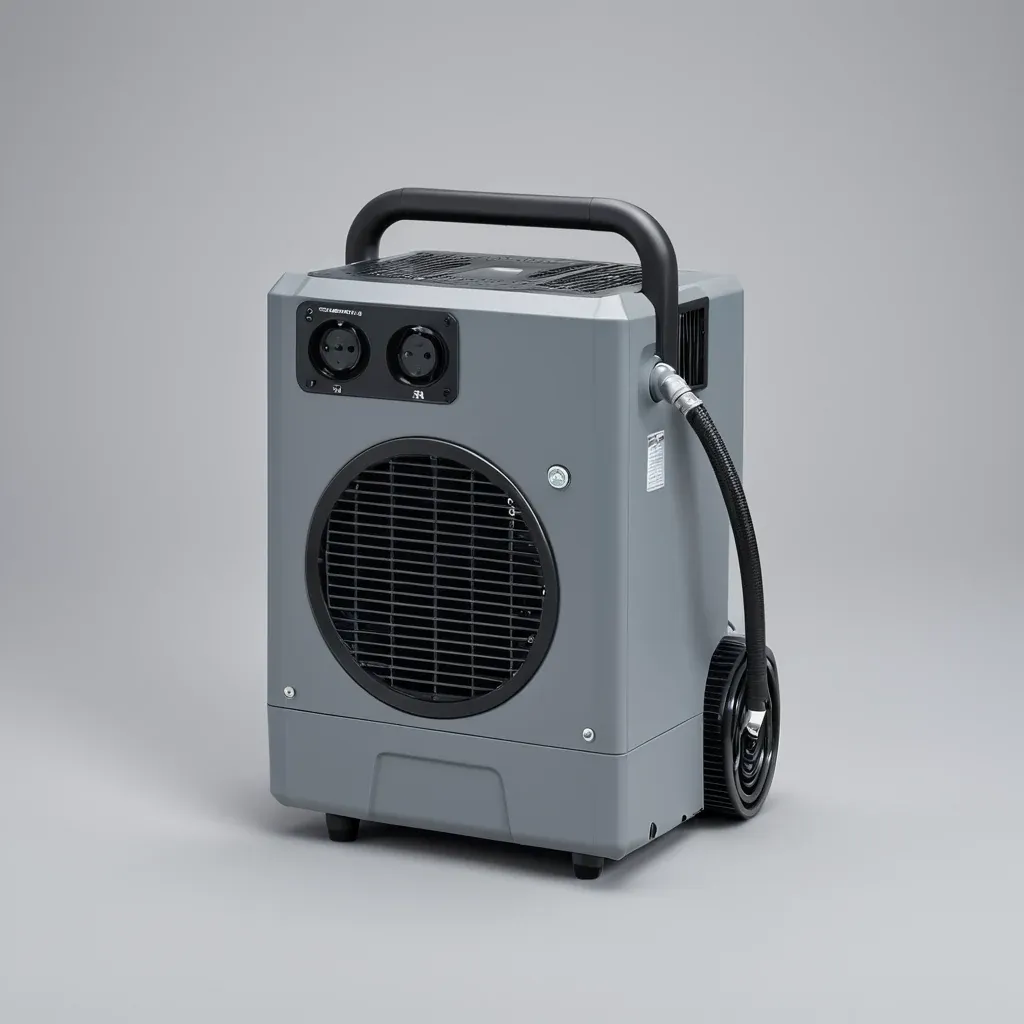
AlorAir Crawlspace
A compact crawl-space dehumidifier with a condensate pump for tight, humid under-house areas.
Use it when: When a crawl space needs continuous, hands-off moisture control.
Shop AlorAir CrawlspaceLooking for the right gear?
Browse the full toolkit by category.
Educational Disclaimer
This content is educational and does not constitute medical advice, diagnosis, or treatment. Mold-related illness is an area where the science is still developing — where a claim is contested, the article says so. Always work with a qualified clinician on health decisions, and with licensed professionals on remediation. Some links may be affiliate links; that never changes a recommendation.