Does AirDoctor Remove Formaldehyde? What Its Filters Can and Can't Do

AirDoctor is one of the most heavily advertised purifiers, and a common question when moving into a new build is whether it handles formaldehyde. The honest answer is: partly, and less than the marketing implies. Here is what is actually in the box.
What AirDoctor filters
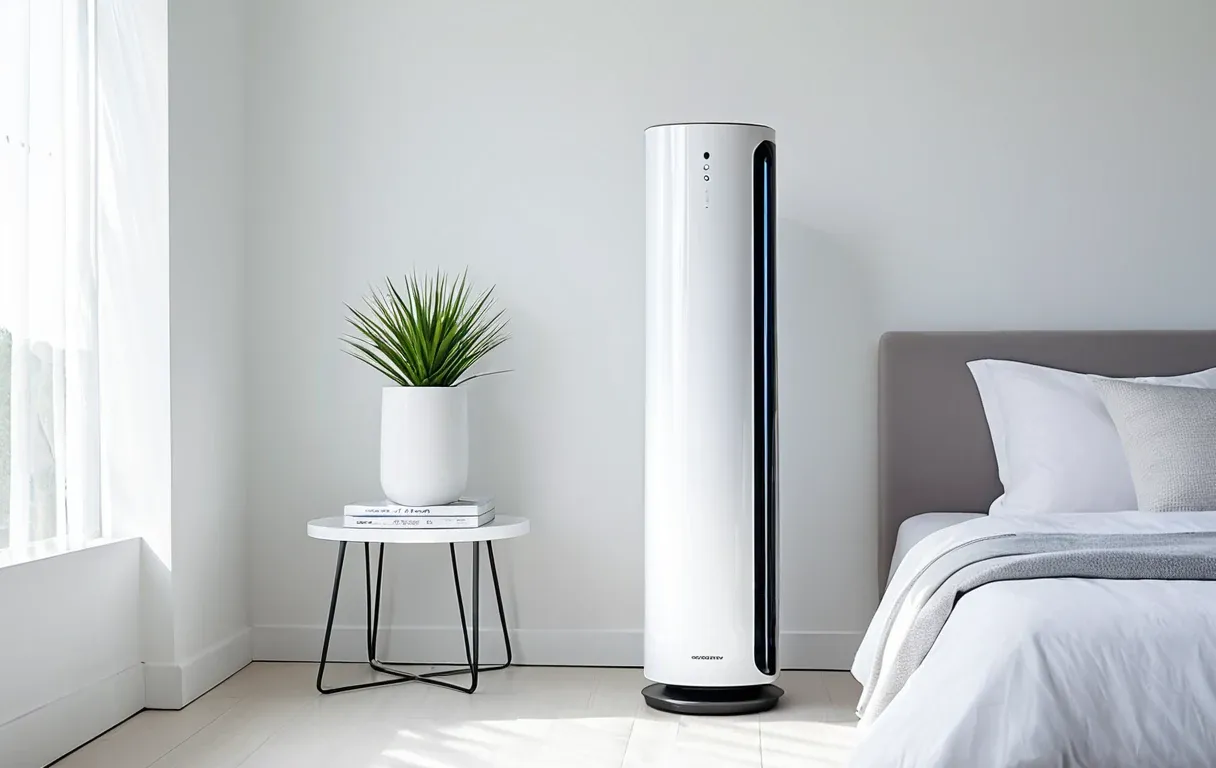
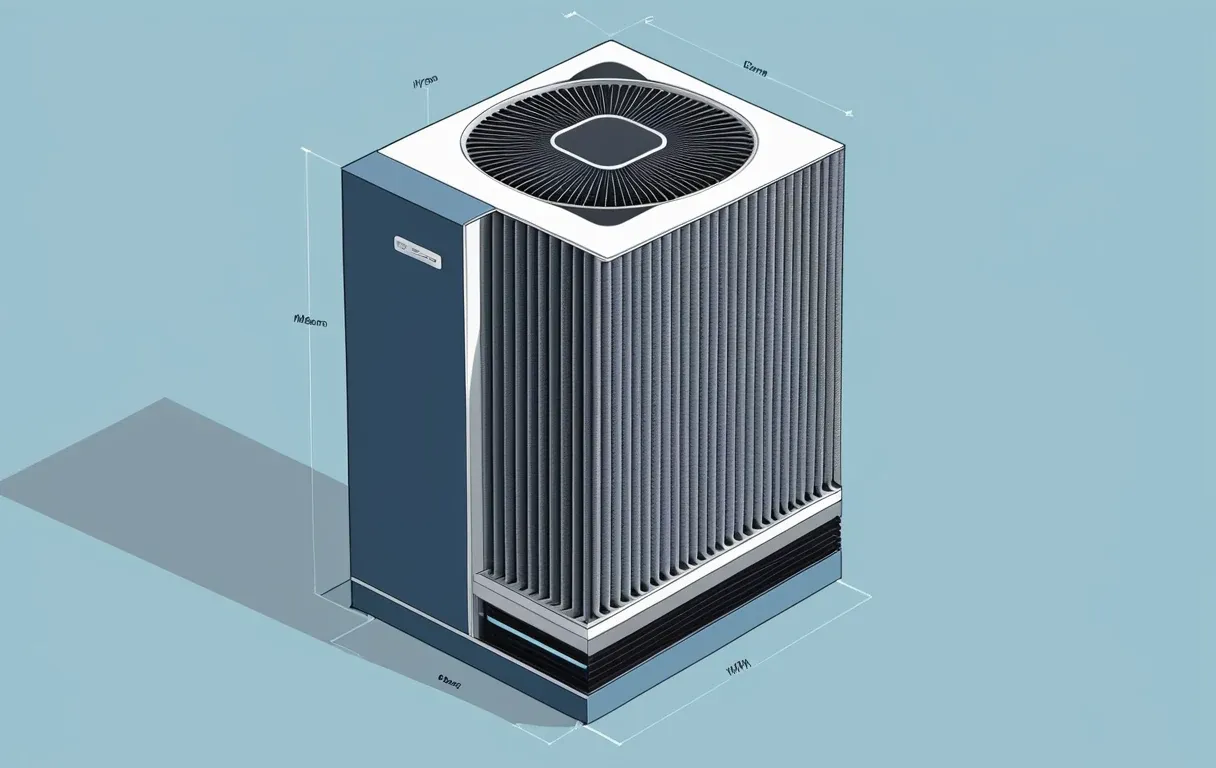
AirDoctor pairs a true-HEPA-class particle filter (branded UltraHEPA) with a carbon/VOC layer. The HEPA stage is genuinely strong on particles — spores, dust, and allergens. The gas stage is a relatively thin layer of standard activated carbon.
The formaldehyde problem
Formaldehyde is a gas, so the HEPA stage does nothing for it (the same reason covered in HEPA vs carbon). And plain activated carbon barely holds formaldehyde — capturing it well requires carbon impregnated with an oxidizer such as potassium permanganate or potassium iodide. AirDoctor's carbon is standard and thin relative to a dedicated gas unit, so it will adsorb some VOCs and cut odor, but it is not built to hold formaldehyde at the level a freshly built home off-gasses.
When AirDoctor is the right call — and when it isn't
- Good fit: general particle cleanup, allergies, post-remediation spore reduction, and light odor control.
- Not the right primary tool for: a new build with active formaldehyde off-gassing, where you want pounds of impregnated carbon.
For formaldehyde specifically, a dedicated gas-phase unit with a deep impregnated-carbon bed does the job AirDoctor cannot. Airpura and AllerAir carry 15 to 18 lbs of carbon with formaldehyde-specific media. If you still want AirDoctor for its particle performance, run it alongside a gas unit — AirDoctor for particles, the carbon specialist for the gas.
Bottom line
AirDoctor removes formaldehyde a little; it does not remove it well. For a new home, treat particle filtration and gas filtration as two separate jobs and buy for each.
Sources and further reading
This article is educational guidance, not medical advice. The primary sources below inform this section of the site — each is republished here in full, and linked to the original publisher so you can read it at the source.
- EPA — What Are Volatile Organic Compounds (VOCs)? — original at epa.gov
- EPA — VOCs' Impact on Indoor Air Quality — original at epa.gov
- CPSC & EPA — The Inside Story: A Guide to Indoor Air Quality — original at cpsc.gov
Airpura
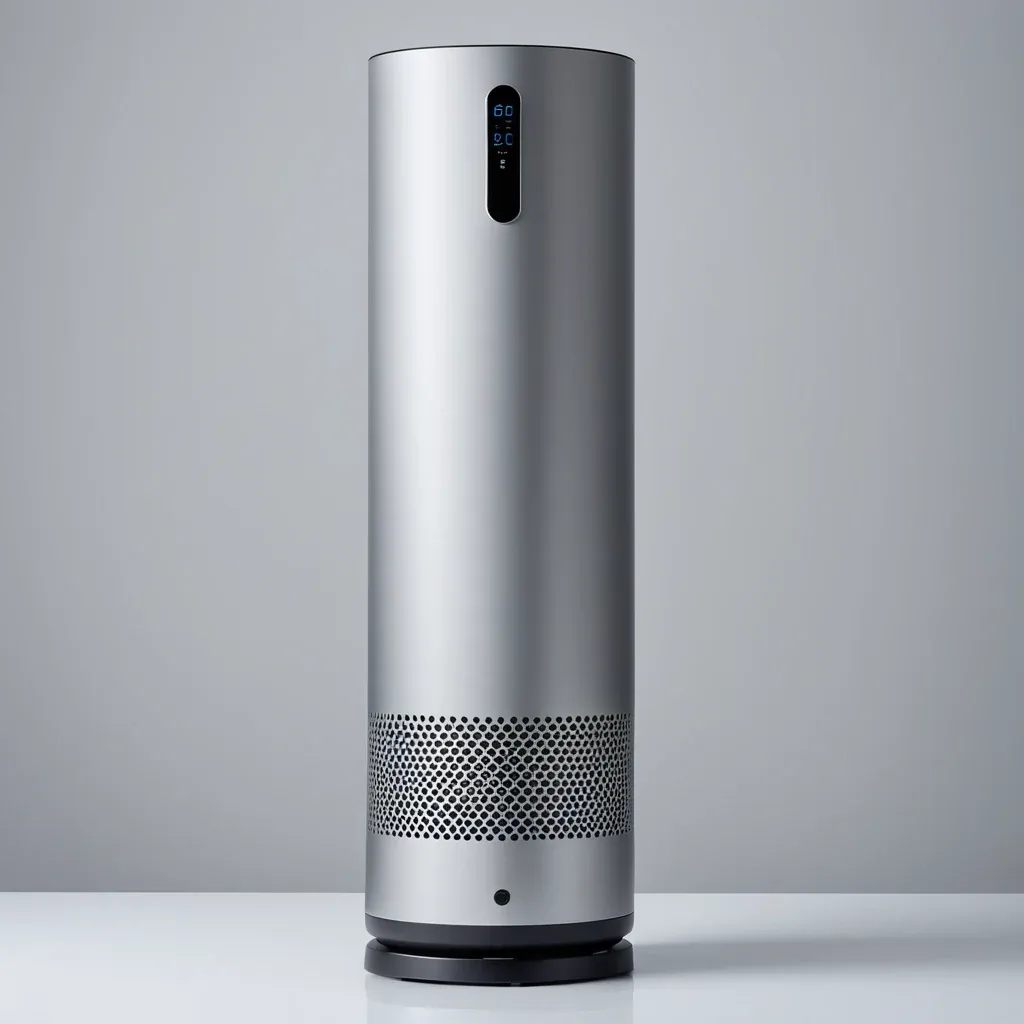
Carbon-forward purifiers with deep filter beds, including impregnated-carbon options built to adsorb gases and VOCs, not just particles.
Use it when: When formaldehyde or solvent off-gassing is the problem, not only dust.
Shop Airpura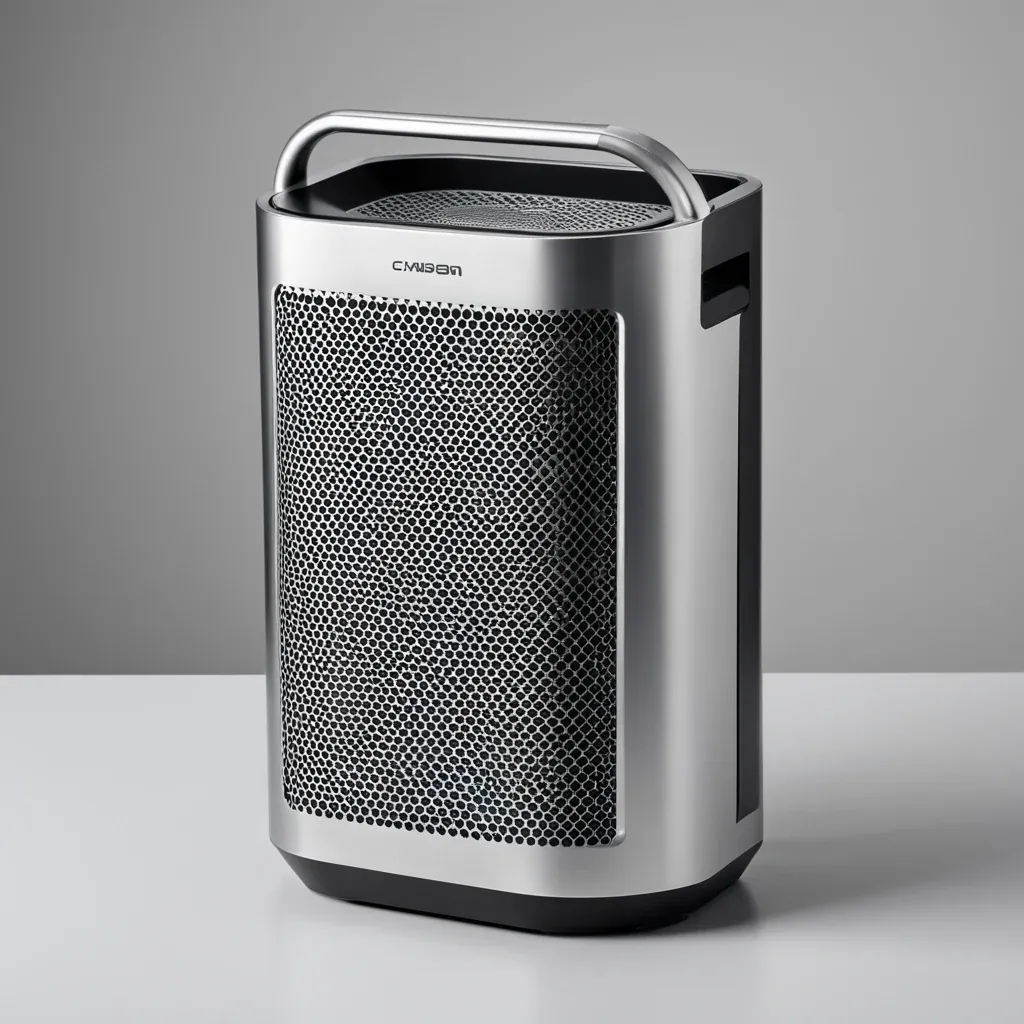
AllerAir
Heavy-duty air purifiers built around large activated-carbon filters for chemical and odor control.
Use it when: For strong, persistent odors or chemical sensitivity in a main room.
Shop AllerAirLooking for the right gear?
Browse the full toolkit by category.
Educational Disclaimer
This content is educational and does not constitute medical advice, diagnosis, or treatment. Mold-related illness is an area where the science is still developing — where a claim is contested, the article says so. Always work with a qualified clinician on health decisions, and with licensed professionals on remediation. Some links may be affiliate links; that never changes a recommendation.