Mold And New Homes: The Questions We Get Asked

The questions we are asked most about new buildings and mold, answered plainly. Where the honest answer is “it depends”, this says what it depends on.

How long before a new home is actually safe?
For most people, three months of active management brings a new build to a comfortable place, and six months brings it close to a settled baseline. Cabinets continue emitting at declining levels for years, but at levels most people cannot perceive. For someone with MCAS or a significant loss-of-tolerance history, extend those expectations and consider a building finished a year or two ago instead (why that population is different).
Can I just leave the windows open and skip the air purifier?
In a mild climate with operable windows and acceptable outdoor air, largely yes. Ventilation outperforms filtration for this problem. Filtration earns its place at night, in extreme weather, during wildfire season, and in units where the windows do not open. Buy the ventilation habit first and the equipment second.
My new place does not smell like anything. Does that mean it is fine?
No, and this cuts both ways. Formaldehyde odour thresholds vary widely between people, and a significant fraction of the population perceives it only at concentrations near or above the health guideline. Your nose is not a meter. Equally, a strong new-building smell is often solvent VOCs, which resolve quickly and matter less than the formaldehyde you cannot smell (the same logic for musty smells).
Is an ERMI test worth running before I sign?
It depends on what you will do with the result. Used comparatively — sampling two candidate homes the same way — it can inform a choice. If you would treat a single score as a verdict, the methodological objections apply and you may make a worse decision than you would have without it (what the dispute is actually about). The moisture meter answers a more actionable question for less money.
The landlord says the unit was professionally cleaned. Does that help?
Cleaning removes settled dust, which is not nothing. It does not address anything inside a wall assembly, and cleaning products themselves add a short-term VOC load. Ask what “professionally cleaned” meant. If it meant a remediation, ask for the documentation — and if you are a tenant, get it in writing.
Should I run the HVAC fan continuously?
Often yes in a new build, because circulating air through the filter and through any fresh-air intake beats stagnation. Two caveats: verify the filter is actually rated to do something (the right MERV for the system, and what a filter can and cannot catch), and confirm the system is not pulling from a garage, crawlspace or attic. Continuous fan operation with a poorly located intake distributes the problem rather than solving it.
What about houseplants?
The often-cited research on plants removing formaldehyde was conducted in sealed laboratory chambers. Translated to a real room with real air exchange, the number of plants required to meaningfully affect concentration is impractical — on the order of many plants per hundred square feet. Keep plants because you like them. Do not count them as mitigation, and note that overwatered plant soil is itself a mold reservoir.
Is there a formaldehyde level that is definitively safe?
No regulatory body identifies a threshold below which there is zero risk, because formaldehyde is a Group 1 carcinogen and cancer risk assessment does not work that way. What exists are guideline values set to prevent irritation and to keep risk acceptably low — Health Canada's 40 ppb long-term figure and the WHO's 0.1 mg/m³ 30-minute value are the practical anchors used throughout this guide.
Still deciding rather than settling in? The whole thing condenses to four questions, and the beliefs worth dropping first are here.
This article is educational and environmental information. It does not diagnose, treat, or prevent any condition. Work with a qualified clinician on health decisions and with licensed professionals on remediation.
Sources and further reading
This article is educational guidance, not medical advice. The primary sources below inform this section of the site — each is republished here in full, and linked to the original publisher so you can read it at the source.
- EPA — What Are Volatile Organic Compounds (VOCs)? — original at epa.gov
- EPA — VOCs' Impact on Indoor Air Quality — original at epa.gov
- CPSC & EPA — The Inside Story: A Guide to Indoor Air Quality — original at cpsc.gov
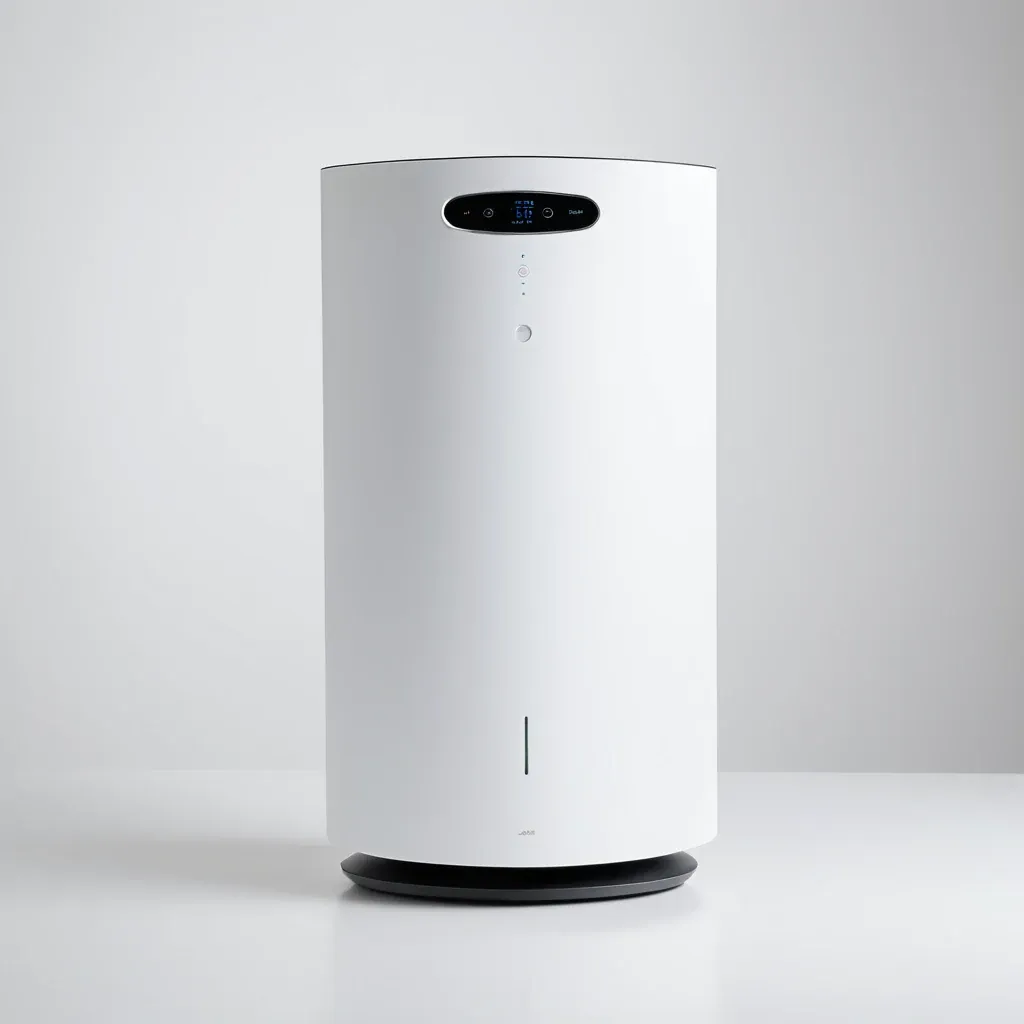
AirDoctor
A high-efficiency purifier pairing an UltraHEPA stage with a carbon/VOC stage, sized for living rooms and bedrooms.
Use it when: When you want to lower airborne particles and odors in a main living space.
Shop AirDoctor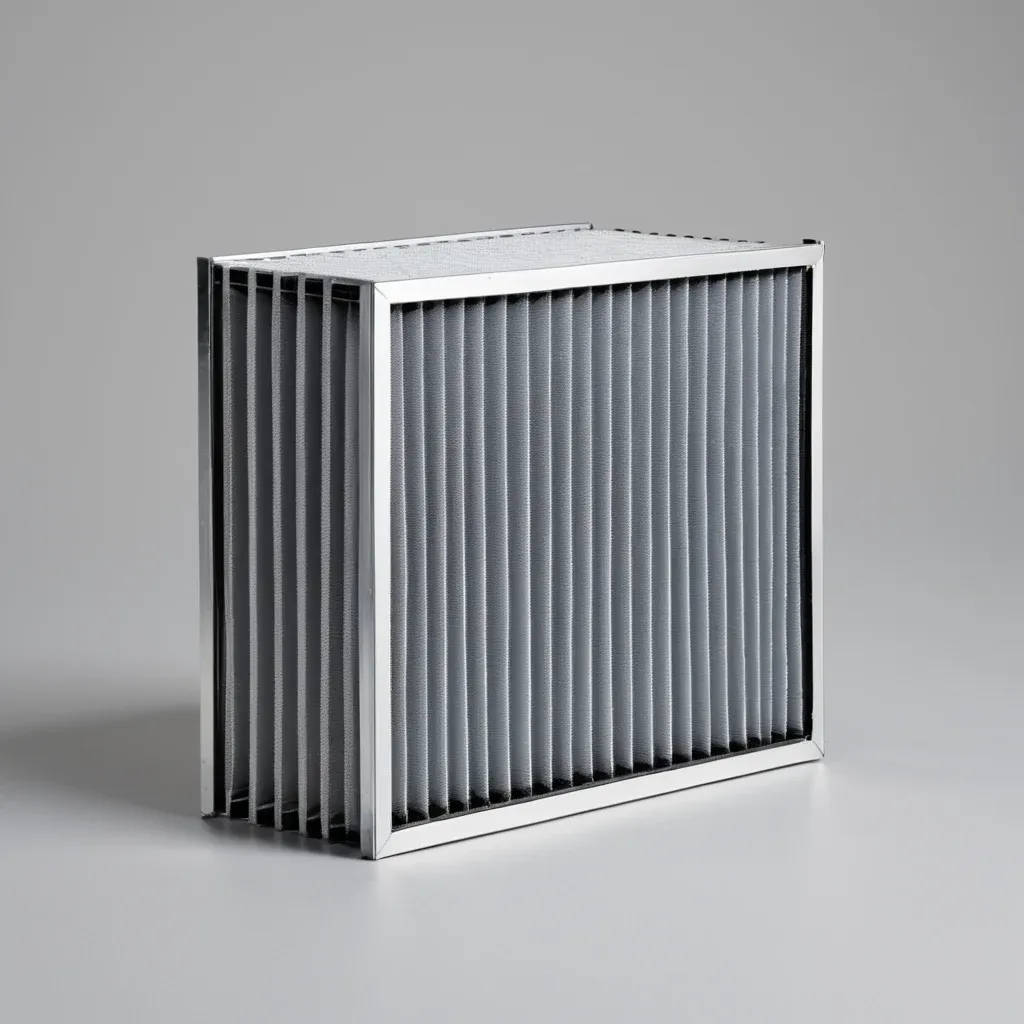
Filterbuy
Custom-size pleated HVAC filters in higher MERV ratings that trap finer particles in your furnace or AC.
Use it when: When you want a higher-MERV filter cut to your exact system size.
Shop FilterbuyLooking for the right gear?
Browse the full toolkit by category.
Educational Disclaimer
This content is educational and does not constitute medical advice, diagnosis, or treatment. Mold-related illness is an area where the science is still developing — where a claim is contested, the article says so. Always work with a qualified clinician on health decisions, and with licensed professionals on remediation. Some links may be affiliate links; that never changes a recommendation.