New-Home Air Quality By Climate

The same new building behaves differently in Seattle, Houston and Phoenix, and the failure mode changes with it. Knowing which one applies to you tells you which question to ask hardest — and whether your money belongs on humidity control or on ventilation and filtration.

Marine and Pacific Northwest
Wet framing risk is the dominant concern. Long rainy construction seasons and high ambient humidity mean the odds that framing sat wet are simply higher here than anywhere else. Ask the framing question first and hardest — it is question one in the written six, and in this climate it carries more weight than everything after it.
Hot and humid — Southeast and Gulf
Air conditioning creates cold surfaces against humid air, so condensation inside wall assemblies is the failure mode rather than a leak you can see. Vapour drive runs inward. Humidity control is not optional here: holding the 30-50% band is doing structural work, not comfort work, and a space that will not hold it on its own needs a right-sized dehumidifier rather than another purifier.
Hot and dry — Southwest
The lowest ambient mold risk of any region, and a genuine advantage. The trade is chemical: off-gassing is accelerated by heat, which is good for a bake-out and bad for summer indoor concentrations (the timeline by material). Watch for plumbing and irrigation-driven water events rather than weather-driven ones — the water here arrives from inside the building, not from the sky.

Cold — Northeast and Mountain
Vapour drive runs outward in winter. Ice damming and interstitial condensation are the classic failures, and neither is visible from inside until it is advanced. Tight new construction in cold climates depends heavily on mechanical ventilation working correctly — so “is there an ERV or HRV, and was it commissioned” stops being a nice-to-have question and becomes the one that decides whether the building manages itself.
Mediterranean — coastal California
A concentrated wet season means framing risk is seasonal and predictable, which is unusually useful: ask specifically what months the framing happened. A building framed in July in this climate is a very different proposition from one framed in January, and unlike most of the questions in this guide, that one has a clean answer.
What this changes, and what it does not
Climate changes which question is load-bearing. It does not change the thresholds — wood moisture under 15% is under 15% everywhere (the readings table), and it does not change the fact that a meter reading is a snapshot. What it does change is when you should take that snapshot: in a marine climate a reading taken during a dry August tells you noticeably less than the same reading in February. Which is an argument for owning the instruments rather than borrowing them — a reading you can repeat next season is worth several you cannot.
It also shifts the equipment order. Where humidity is the driver, dehumidification comes first and filtration second. Where heat and chemistry dominate, a capable purifier where you sleep earns its place earlier. The general sequence is in your first 90 days.
This article is educational and environmental information. It does not diagnose, treat, or prevent any condition. Work with a qualified clinician on health decisions and with licensed professionals on remediation.
Sources and further reading
This article is educational guidance, not medical advice. The primary sources below inform this section of the site — each is republished here in full, and linked to the original publisher so you can read it at the source.
- EPA — What Are Volatile Organic Compounds (VOCs)? — original at epa.gov
- EPA — VOCs' Impact on Indoor Air Quality — original at epa.gov
- CPSC & EPA — The Inside Story: A Guide to Indoor Air Quality — original at cpsc.gov
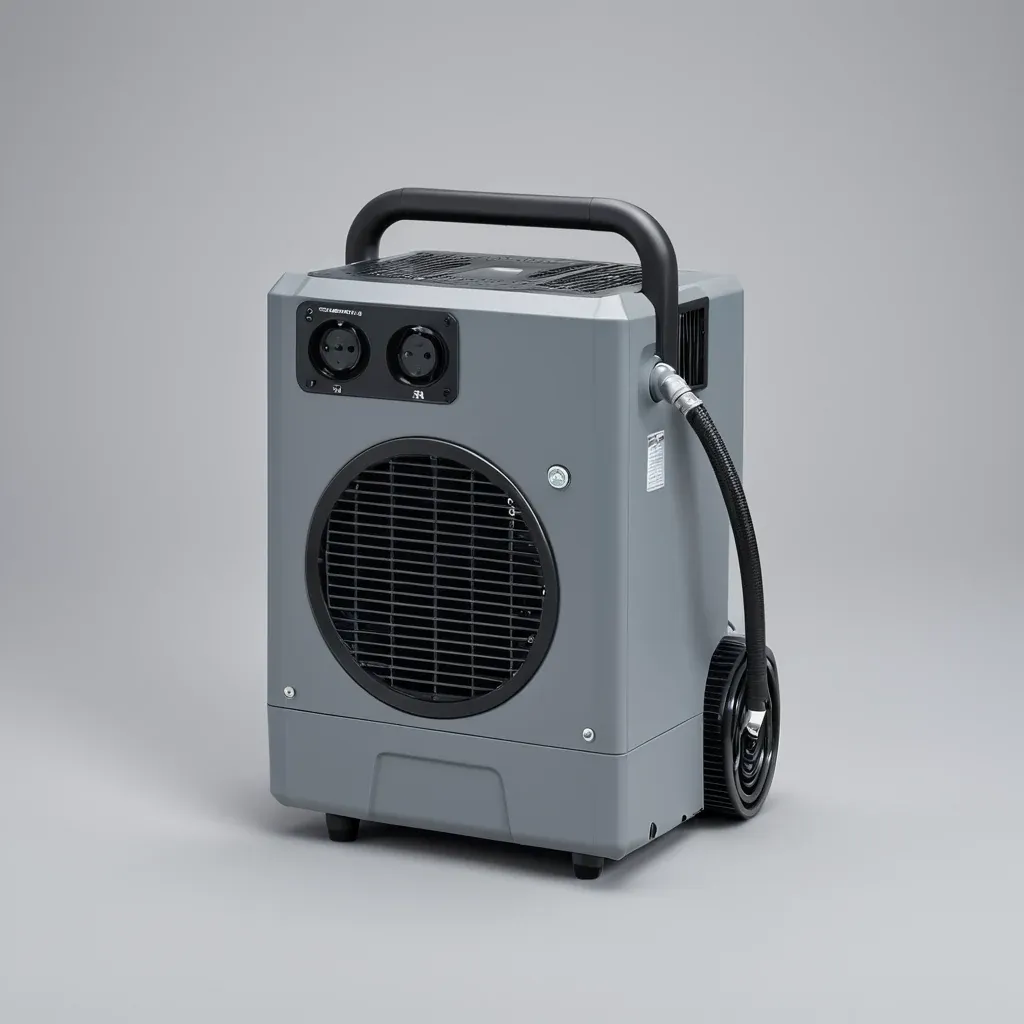
AlorAir Crawlspace
A compact crawl-space dehumidifier with a condensate pump for tight, humid under-house areas.
Use it when: When a crawl space needs continuous, hands-off moisture control.
Shop AlorAir Crawlspace
Sylvane
A specialty retailer for air purifiers, dehumidifiers, and filters, with staff who know the mold-specific gear.
Use it when: When you'd rather compare purifiers and dehumidifiers in one place.
Shop at SylvaneLooking for the right gear?
Browse the full toolkit by category.
Educational Disclaimer
This content is educational and does not constitute medical advice, diagnosis, or treatment. Mold-related illness is an area where the science is still developing — where a claim is contested, the article says so. Always work with a qualified clinician on health decisions, and with licensed professionals on remediation. Some links may be affiliate links; that never changes a recommendation.