Special Cases: Renovations, Condos, High-Rises and ADUs

The general analysis in this guide assumes a fairly ordinary building. Five configurations shift it, sometimes sharply, and one of them is the single most underestimated situation in the whole subject. If you are looking at any of these, the adjustments below matter more than anything you would buy — although in one case filtration ends up carrying the entire load, because the usual first move is unavailable to you.
1. Newly renovated rather than newly built
A gut renovation inside an older shell is the worst of both configurations if you are not careful, and people consistently underestimate it. You get the full chemical load of new cabinets, paint and flooring (what a new build off-gasses) layered on top of a building with decades of undocumented water history.
Worse, renovations frequently disturb existing conditions: opening a wall that had a slow leak, or covering a damp subfloor with new flooring rather than addressing it. The specific question to ask is what was found when the walls were opened, and what was done about it. A renovator who says “we found staining in the bathroom wall and replaced the studs and the sheathing” is telling you something useful. One who says the renovation was purely cosmetic while showing you new drywall is telling you something else.
2. Condominiums and shared-wall buildings
Your air is not entirely your own. Shared walls, common plenums, shared HVAC risers and stack effect in multi-storey buildings all move air between units. A neighbour's water damage becomes your problem, and you have no authority to inspect or fix it.
Ask about the building's water-intrusion history at the association level, not just the unit level. Association meeting minutes and reserve-study documents are frequently available to prospective buyers and often disclose more than a seller will. In a rental, ask the manager directly whether there have been water events in the building. And note that the unit directly above yours matters more than any other — kitchens, bathrooms and laundry hookups upstairs are the most common source of ceiling and wall damage below.
3. High-rise versus garden-style
High-rise buildings typically have centralised HVAC and pressurisation strategies, which can be good (filtered makeup air) or bad (you receive whatever the shared system carries). Windows often do not open — which removes your single most powerful intervention.
For a chemically sensitive occupant in a new high-rise unit with sealed windows, the ventilation strategy in this guide largely does not apply, and filtration carries the entire load. Weigh that heavily before signing. It also changes what you buy: with no dilution available, gas-phase capacity stops being optional, and carbon rather than HEPA is the whole argument. Garden-style and low-rise buildings usually have unit-level HVAC and operable windows, which gives you far more control — and for this population control is worth more than amenities.
4. Manufactured and modular homes
Historically this category had the worst formaldehyde reputation, driven by high ratios of composite wood to interior volume and tight envelopes. Federal standards have improved substantially and current production is regulated (which certifications mean what), but the underlying geometry has not changed: these homes contain a lot of engineered wood per cubic foot of air. If you are sensitive and considering a new manufactured home, treat the ventilation protocol as mandatory rather than optional, and test rather than assume.
5. ADUs and converted spaces
Accessory dwelling units, converted garages and basement conversions carry two specific risks. First, they are often built fast and inspected lightly. Second, garages and basements sit at or below grade — which is where moisture lives.
A converted garage slab without a vapour barrier under new flooring is a common and difficult problem, and it is the one case where the usual walkthrough is not enough: meter the floor thoroughly, not just a few spots, and read it again in a wet month. Where a below-grade space will not hold its humidity band on its own, that is a moisture job and a right-sized dehumidifier is the honest answer. The full sequence is the walkthrough inspection and the numbers are in what your readings should say.
The through-line
Each of these five changes which question is load-bearing, not the underlying physics. A renovation moves the weight onto what was found behind the walls; a condo moves it onto the association's history; a sealed high-rise moves it onto filtration; a manufactured home onto ventilation; an ADU onto the slab. Work out which one you are in before you spend anything — the decision itself is in the new-home framework.
This article is educational and environmental information. It does not diagnose, treat, or prevent any condition. Work with a qualified clinician on health decisions and with licensed professionals on remediation.
Sources and further reading
This article is educational guidance, not medical advice. The primary sources below inform this section of the site — each is republished here in full, and linked to the original publisher so you can read it at the source.
- EPA — What Are Volatile Organic Compounds (VOCs)? — original at epa.gov
- EPA — VOCs' Impact on Indoor Air Quality — original at epa.gov
- CPSC & EPA — The Inside Story: A Guide to Indoor Air Quality — original at cpsc.gov
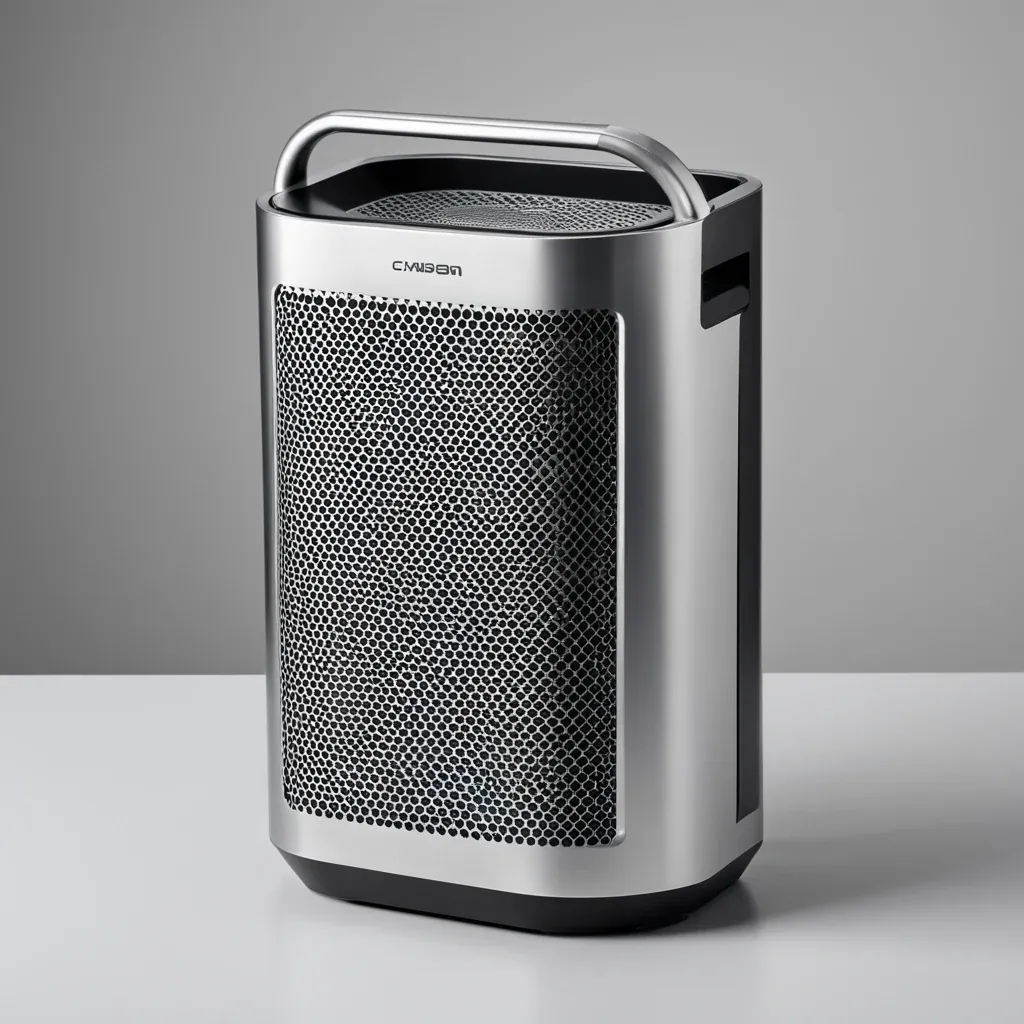
AllerAir
Heavy-duty air purifiers built around large activated-carbon filters for chemical and odor control.
Use it when: For strong, persistent odors or chemical sensitivity in a main room.
Shop AllerAir
Sylvane
A specialty retailer for air purifiers, dehumidifiers, and filters, with staff who know the mold-specific gear.
Use it when: When you'd rather compare purifiers and dehumidifiers in one place.
Shop at SylvaneLooking for the right gear?
Browse the full toolkit by category.
Educational Disclaimer
This content is educational and does not constitute medical advice, diagnosis, or treatment. Mold-related illness is an area where the science is still developing — where a claim is contested, the article says so. Always work with a qualified clinician on health decisions, and with licensed professionals on remediation. Some links may be affiliate links; that never changes a recommendation.