VOC and Formaldehyde Certifications Worth Looking For

Certification marks are the only part of this subject where someone else has already done the testing for you — which makes them genuinely useful and also easy to over-read. They tell you a product was measured against a threshold. They do not tell you your house will be clean. The practical move is to spend the certification premium where the emitting surface is largest and closest to your face: casework, flooring, and the bed. Certified low-emission furnishings from Naturepedic are the easy version of that last one.
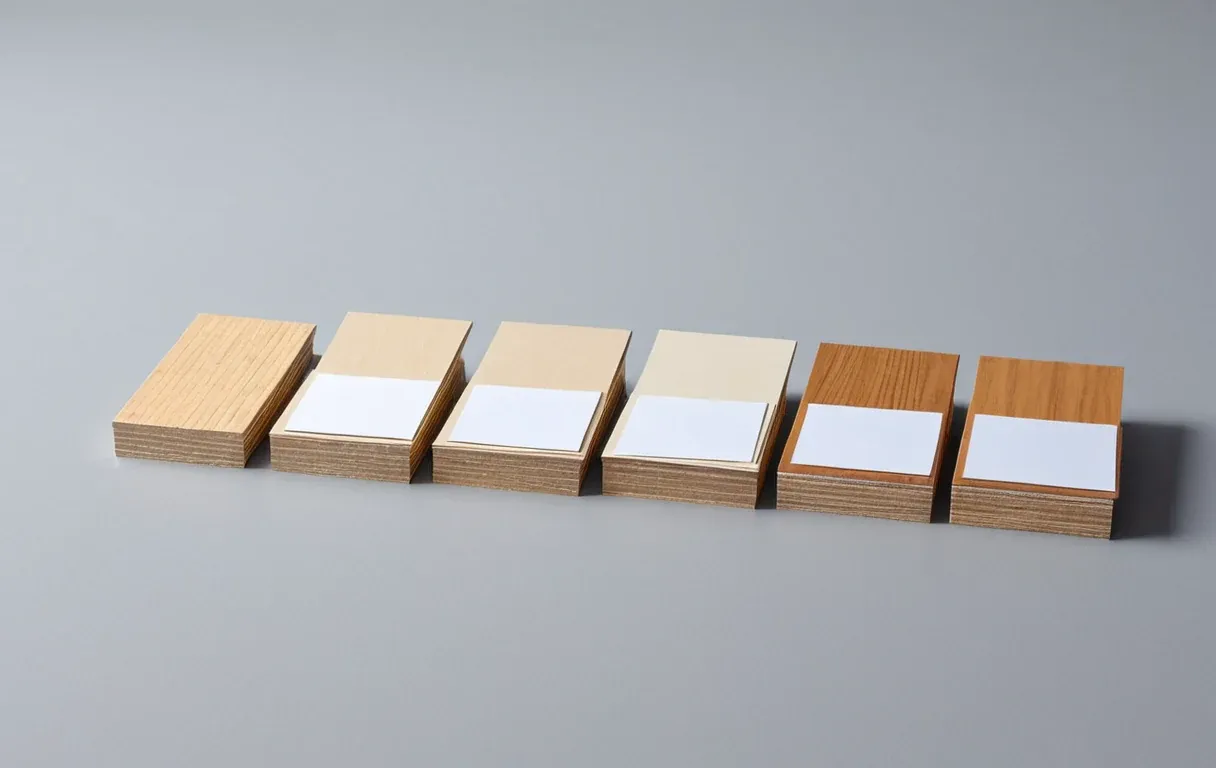
The one that is law, not marketing
For composite wood — particleboard, MDF, hardwood plywood, and anything built from them — formaldehyde emissions are federally regulated in the United States under TSCA Title VI, which harmonised with California's earlier CARB Phase 2 rule. Panels and finished goods sold into the US market are required to be certified compliant and labelled as such. This is the floor beneath everything else, and it is the reason a compliant 2026 build emits meaningfully less than a build from fifteen years ago.
It is also the single most misread fact in this area, so it is worth stating in the strongest form: a cap is a floor, not a guarantee. Compliant is not zero, and a house is the sum of a great deal of compliant material. What actually matters in your rooms is the total emitting surface divided by how much air you move through them — which is why what a new build off-gasses puts ventilation ahead of every purchase. Where the total load is still high after that, the answer is gas-phase carbon rather than a differently-certified cabinet: units built around a real carbon bed remove what has already been released, which no certificate can do.
The voluntary marks, and what each one actually covers
- GREENGUARD / GREENGUARD Gold (UL). Chamber-tests a finished product for total VOC and specific compound emissions. Gold is the stricter tier, written around sensitive settings like schools. Broad coverage: furniture, mattresses, flooring, paints.
- FloorScore (SCS Global). Hard-surface flooring, underlayment and adhesives. If you are choosing vinyl or laminate, this is the relevant one — and adhesives matter as much as the plank.
- CRI Green Label Plus. Carpet, cushion and carpet adhesive. Worth knowing if carpet is going in; worth remembering that carpet's bigger long-term issue in a damp house is that it holds moisture.
- OEKO-TEX Standard 100. Textiles tested for harmful substances. Note this is a substance-content standard, not an emissions test — useful, but not the same claim as GREENGUARD.
- GOTS / GOLS. Organic content and processing for textiles and latex. Again a content-and-process standard rather than an air-emissions one.
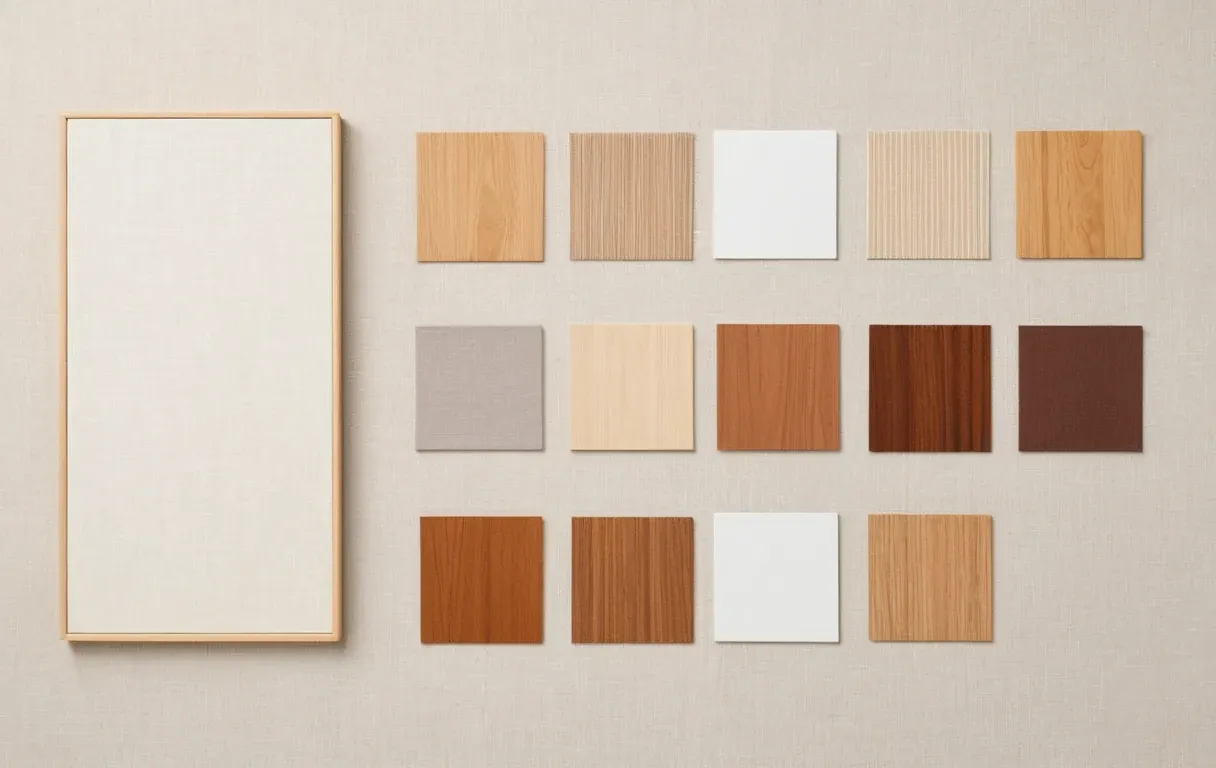
What a certification does not mean
- It is a threshold, not zero. Certified products still emit; they emit less than the uncertified alternative.
- It certifies a product, not your house. Twenty certified products in a tight room still add up.
- It is tested under defined conditions. A hot, closed-up house in July is not those conditions — warmth accelerates release.
- Content standards and emissions standards are different claims. Read which one a mark actually makes before paying a premium for it.
- Marketing language is not certification. “Low-VOC”, “green”, and “non-toxic” are unregulated phrases; a named scheme with a certificate number is not.
Where the premium is actually worth paying
Rank by emitting surface and by proximity. Cabinetry and built-ins are the largest area of engineered panel in most homes and the slowest to fade. Flooring is the largest single surface, full stop. The bed is the smallest area but you spend a third of your life with your face in it — which is why certified mattresses are a reasonable early purchase rather than an indulgence. Paint matters least, because it clears fastest — see the off-gassing timeline by material.
What to ask a builder, in writing
- Which composite-wood products are in the cabinetry and subfloor, and can you provide the TSCA Title VI / CARB Phase 2 compliance documentation?
- Are the flooring and its adhesive FloorScore certified?
- Was the framing rained on during construction, and was its moisture verified before the walls were closed?
- Is there a mechanical ventilation system (ERV or HRV), and has it been commissioned — not merely installed?
The last two are moisture questions rather than chemistry questions, and they matter more. A beautifully certified house built wet is still a wet house — the whole comparison is laid out in water damage vs. new construction. If you want the checks you can run yourself before signing, they are in the new-home decision framework.
This article is educational and environmental information. It does not diagnose, treat, or prevent any condition. Work with a qualified clinician on health decisions and with licensed professionals on remediation.
Sources and further reading
This article is educational guidance, not medical advice. The primary sources below inform this section of the site — each is republished here in full, and linked to the original publisher so you can read it at the source.
- EPA — What Are Volatile Organic Compounds (VOCs)? — original at epa.gov
- EPA — VOCs' Impact on Indoor Air Quality — original at epa.gov
- CPSC & EPA — The Inside Story: A Guide to Indoor Air Quality — original at cpsc.gov
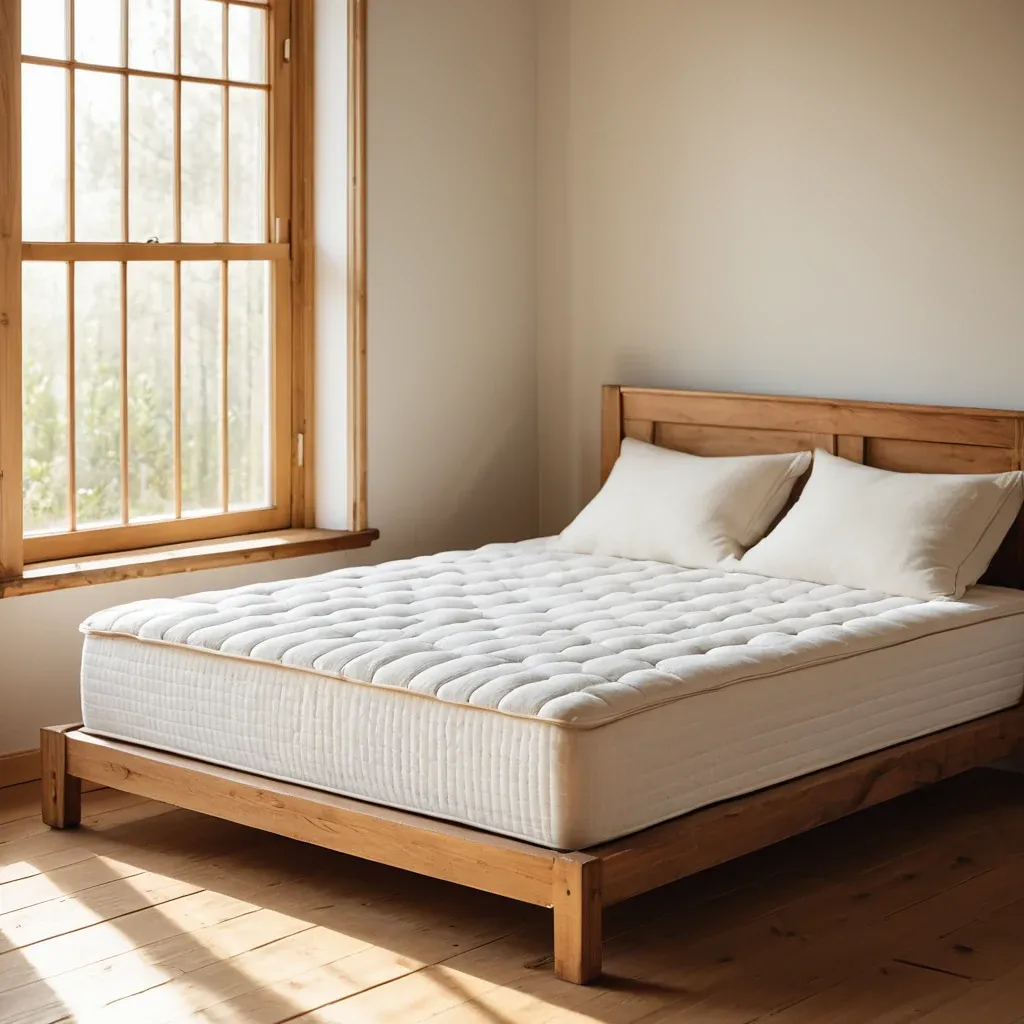
Naturepedic
Organic mattresses and bedding made without polyurethane foam or added flame-retardant chemicals, certified to the GOTS and GOLS organic-content standards.
Use it when: When the bedroom is the room you most want off-gassing less.
Shop Naturepedic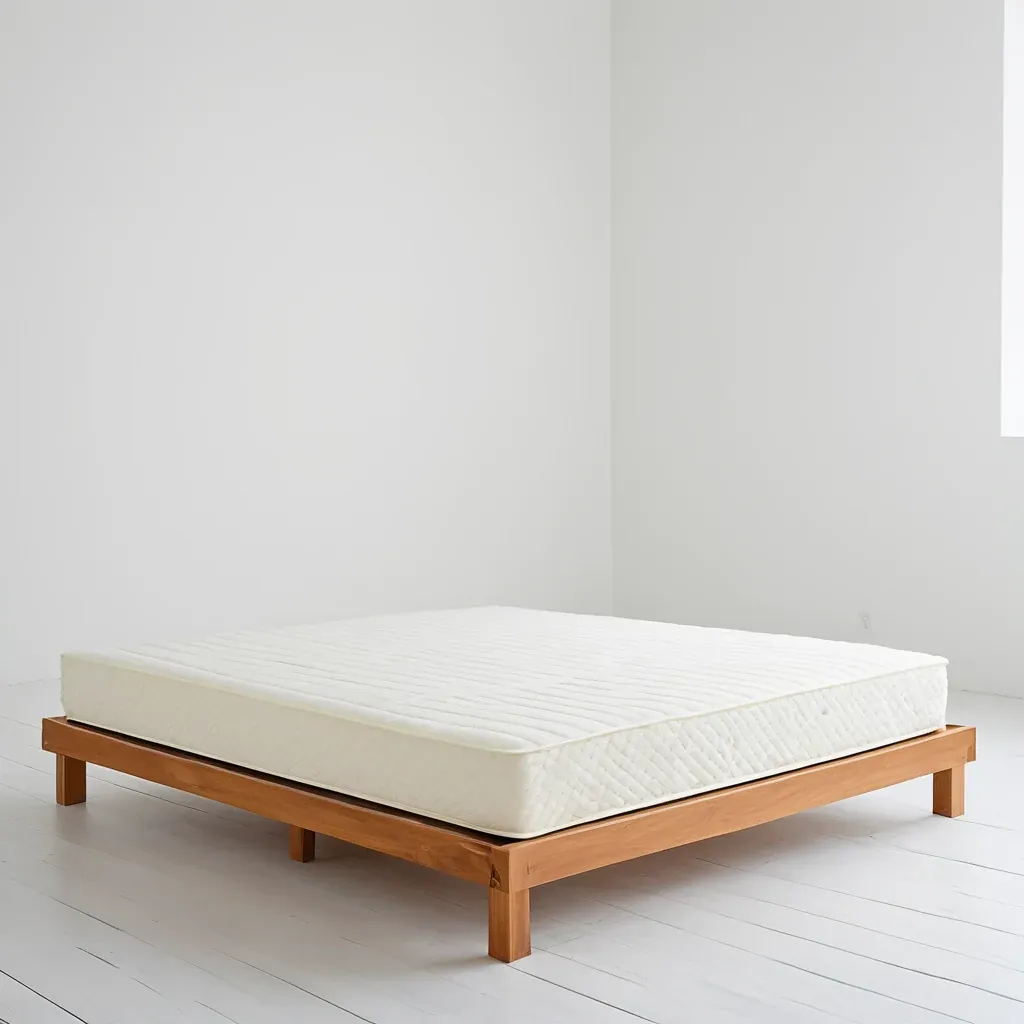
Avocado Green Mattress
Latex mattresses built from GOLS-certified organic latex with GOTS-certified cotton and wool, and carrying GREENGUARD Gold certification for low emissions.
Use it when: When you want a mattress whose emissions are third-party tested, not just described.
Shop Avocado Green MattressLooking for the right gear?
Browse the full toolkit by category.
Educational Disclaimer
This content is educational and does not constitute medical advice, diagnosis, or treatment. Mold-related illness is an area where the science is still developing — where a claim is contested, the article says so. Always work with a qualified clinician on health decisions, and with licensed professionals on remediation. Some links may be affiliate links; that never changes a recommendation.