The New-Home Mold Decision Framework

Most people argue this decision on the wrong axis. It is not new versus old — it is dry versus wet, and managed versus ignored. What follows is the framework in the order the questions actually matter, which means the cheap ones come first and the expensive one comes last. If any step turns up something structural, stop and get two real quotes before you sign; a professional opinion pre-purchase is the cheapest it will ever be.
Step 1 — can you audit the water history?
This is the question that decides most cases, and it is asymmetric. An older building carries an unknown history of water that you cannot audit — you are trusting a disclosure and a fresh coat of paint. A new building's main risk is front-loaded, measurable, and fades over months. Known-and-shrinking beats unknown-and-permanent, which is why for most people with a mold sensitivity a newly built home is the better starting point.
If the building is not new, this step is where most of your effort belongs — what you would be taking on is set out in what a water-damaged building exposes you to, and the two profiles are compared directly in water damage vs. new construction.
Step 2 — was it built dry?
This is the condition the whole new-build advantage rests on, and it is invisible on a walkthrough. Wet framing closed in behind drywall quietly undoes the entire “no water history” argument. Two things get you most of the way:
- Run the one-hour protocol. A pin-type moisture meter and a hygrometer, under every sink, the patio-door threshold, weather-facing sills, the HVAC condensate pan, the water-heater pan, the base of exterior walls, the bathroom exhaust fan. Under 15% wood moisture is fine; over 19% is stop-and-investigate; indoor humidity 30–50%.
- Ask in writing. Was the framing rained on during construction, and was its moisture verified before the walls were closed? A meter reading is a snapshot; this question covers the months you were not there.

Step 3 — can you tolerate three to six months of managed off-gassing?
This is the honest cost of the new-build option, and it is a real one. The chemical load is front-loaded and fades — paint in weeks, engineered casework over months (the timeline by material). The question is not whether you mind the idea of it, but whether your particular sensitivity and your particular living situation can absorb a few months of windows open, cabinets open, and a carbon unit in the bedroom.
If the answer is no, that is a legitimate reason to prefer a building that finished off-gassing a decade ago — provided you can satisfy step 1 about its water. That trade is the actual decision, and it is personal rather than technical.
Step 4 — what will you actually do about it?
A plan you will not follow is not a plan. Be honest about which of these you will genuinely do: cross-ventilate daily for the first month, keep casework open, keep humidity in band, run a carbon unit where you sleep, re-read the moisture spots seasonally. The month-by-month version is your first 90 days. If the honest answer is that you will do none of it, weight step 3 much more heavily — an unmanaged new build is a worse outcome than a dry old one.
The framework, condensed
- Water history unauditable and step 2 unanswerable → walk away, or make the offer conditional on an inspection.
- New, readings clean, builder answers in writing → the strongest case. Proceed and manage the first 90 days.
- New, readings clean, builder evasive → treat the evasion as data. Price in an independent inspection.
- Any reading over 19% → stop and investigate before anything else. This overrides every other step.
- Older, water history genuinely auditable, you cannot tolerate off-gassing → a reasonable choice, made deliberately rather than by default.
One caution to carry through all four steps: after being sick in a water-damaged building, people learn to read every symptom as a mold detector. In a new build the same headache and fog usually mean formaldehyde, not mold — a different problem with a different fix (mold vs. VOCs). Do not let one exposure diagnose the next one. Take the moisture meter with you when you go look at the place; it is the most useful thirty dollars anyone in this situation can spend.
This article is educational and environmental information. It does not diagnose, treat, or prevent any condition. Work with a qualified clinician on health decisions and with licensed professionals on remediation.
Sources and further reading
This article is educational guidance, not medical advice. The primary sources below inform this section of the site — each is republished here in full, and linked to the original publisher so you can read it at the source.
- EPA — What Are Volatile Organic Compounds (VOCs)? — original at epa.gov
- EPA — VOCs' Impact on Indoor Air Quality — original at epa.gov
- CPSC & EPA — The Inside Story: A Guide to Indoor Air Quality — original at cpsc.gov
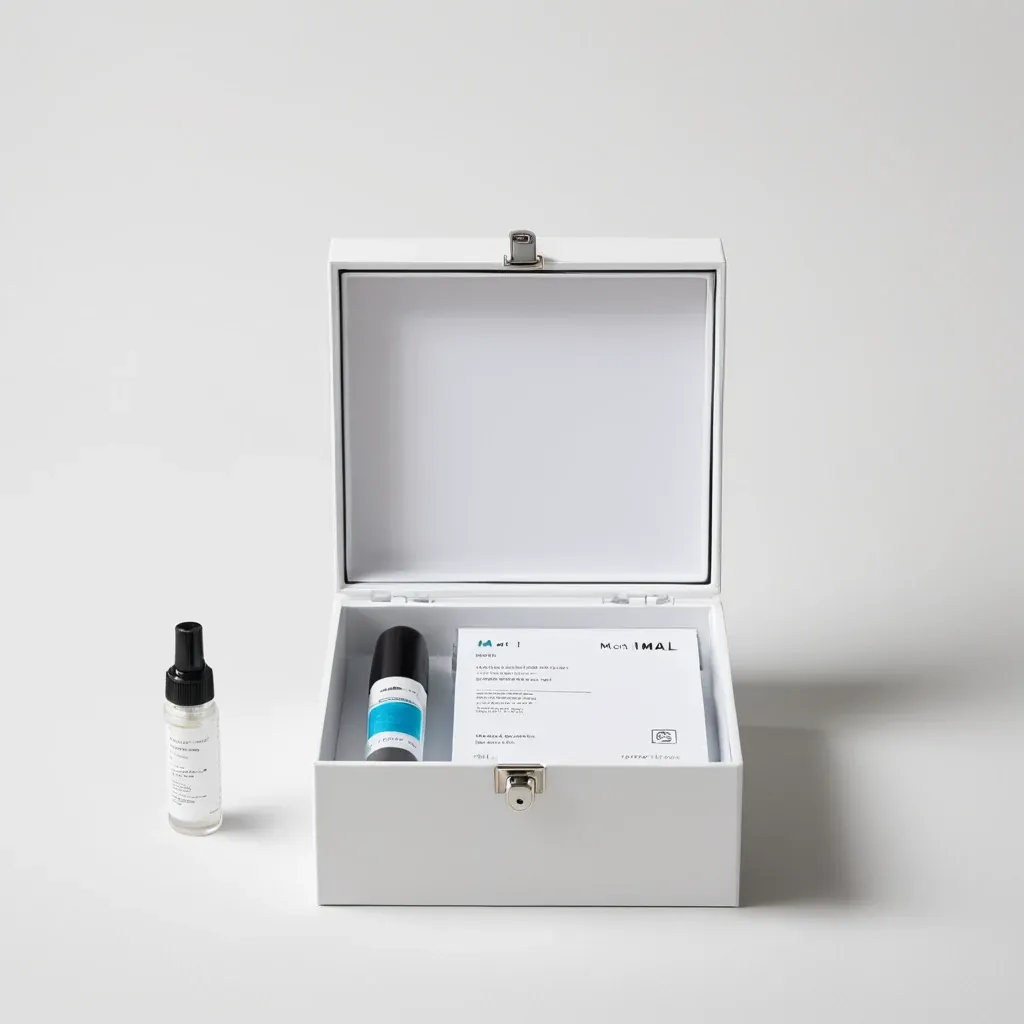
GOT MOLD?
A mail-in air-sampling kit that collects a room's airborne spores for independent lab analysis.
Use it when: When you want a clear, calm read on what's actually in the air.
Shop GOT MOLD?
Angi
A national marketplace for finding and comparing vetted local remediation and repair pros.
Use it when: When you need real quotes from qualified local contractors fast.
Find a pro at AngiLooking for the right gear?
Browse the full toolkit by category.
Educational Disclaimer
This content is educational and does not constitute medical advice, diagnosis, or treatment. Mold-related illness is an area where the science is still developing — where a claim is contested, the article says so. Always work with a qualified clinician on health decisions, and with licensed professionals on remediation. Some links may be affiliate links; that never changes a recommendation.