What A New Build Off-Gasses

A brand-new house smells new because it is still releasing what was built into it. The load is real, it is front-loaded, and it is the one exposure in this whole subject that is genuinely measurable and genuinely shrinking — which is why the right response is ventilation plus gas-phase filtration, not panic. If you are furnishing a new build and want one piece of equipment that actually addresses it, the dedicated carbon units from Airpura are built for gases rather than dust.

The dominant source is engineered wood
A new building's chemical profile is dominated by one thing: formaldehyde from engineered wood — cabinet boxes, subfloor, trim — plus solvent VOCs from paint, adhesives, and finishes. Engineered panels are wood particles or veneers bonded with resin, and the resin is the source. That is why the smell is strongest inside a closed cabinet: a large amount of cut panel surface, releasing into a small unventilated volume.
What is actually in the mix
- Formaldehyde — from the resins in particleboard, MDF, plywood and the casework built from them. The single biggest contributor in most new homes.
- Solvent VOCs — from paint, stains, sealants, adhesives and finishes. These are the sharp “fresh paint” notes and they clear fastest.
- Flooring and underlayment — vinyl, laminate and their adhesives contribute both VOCs and, in some products, plasticizers.
- Soft furnishings — new mattresses, upholstery and foam arrive with their own off-gassing, which is why a new house full of new furniture is a different exposure than an empty one.

The regulatory floor is real, and it matters
Cabinet formaldehyde is federally capped now under TSCA Title VI, so a compliant 2026 build emits meaningfully less than a build from fifteen years ago. This is a genuine improvement and it is worth knowing when someone tells you all new construction is equally toxic. It is a floor, not a guarantee: compliant is not zero, and a house is the sum of a great deal of compliant material.
Why it feels like mold, and why that matters
Formaldehyde and solvent VOCs are chemically unrelated to mold, but they irritate the same airways and produce the same headache and fog — see why the two exposures feel identical. The practical consequence: in a new build, those symptoms usually mean off-gassing, not a hidden leak. Chasing the wrong one costs months. The two profiles are laid out side by side in mold vs. VOCs.
What actually reduces it
- Ventilate, hard and often. Dilution is the highest-value move and it is free. Cross-ventilate so air moves through rather than sits.
- Open every cabinet and drawer. Formaldehyde concentrates in closed casework; leaving doors open lets it release into air you are actually exchanging.
- Hold humidity at 30–50%. Warmth and humidity accelerate release — and the same band is what keeps a building from supporting mold. One target, two benefits.
- Filter with the right medium. HEPA captures particles and does nothing to a gas. Gases need activated carbon, and formaldehyde specifically needs carbon impregnated with an oxidizer.
That last point is the one purifier marketing obscures: match the media to the molecule. A big particle CADR number tells you how fast a unit clears smoke and dust and nothing about how much formaldehyde it can hold — the full argument is in HEPA vs. carbon, and the specific question of whether one popular unit handles formaldehyde is answered in does AirDoctor remove formaldehyde?. If you want a unit that does both jobs adequately in one box, AirDoctor is the usual starting point; if the formaldehyde load is the whole problem, AllerAir builds units around a 15-to-18-lb carbon bed instead of a filter cartridge.
How long you are managing this for
Not forever, and not uniformly. Paint clears in weeks; cabinets can off-gas for months. The usual planning window is three to six months of active management, front-loaded and fading. What that window is actually made of, material by material, is broken out in the off-gassing timeline by material.
Ventilate, open the casework, hold the humidity band, and put carbon where the gas is. The load is real and it is temporary — which is exactly the opposite of an unknown water history.
This article is educational and environmental information. It does not diagnose, treat, or prevent any condition. Work with a qualified clinician on health decisions and with licensed professionals on remediation.
Sources and further reading
This article is educational guidance, not medical advice. The primary sources below inform this section of the site — each is republished here in full, and linked to the original publisher so you can read it at the source.
- EPA — What Are Volatile Organic Compounds (VOCs)? — original at epa.gov
- EPA — VOCs' Impact on Indoor Air Quality — original at epa.gov
- CPSC & EPA — The Inside Story: A Guide to Indoor Air Quality — original at cpsc.gov
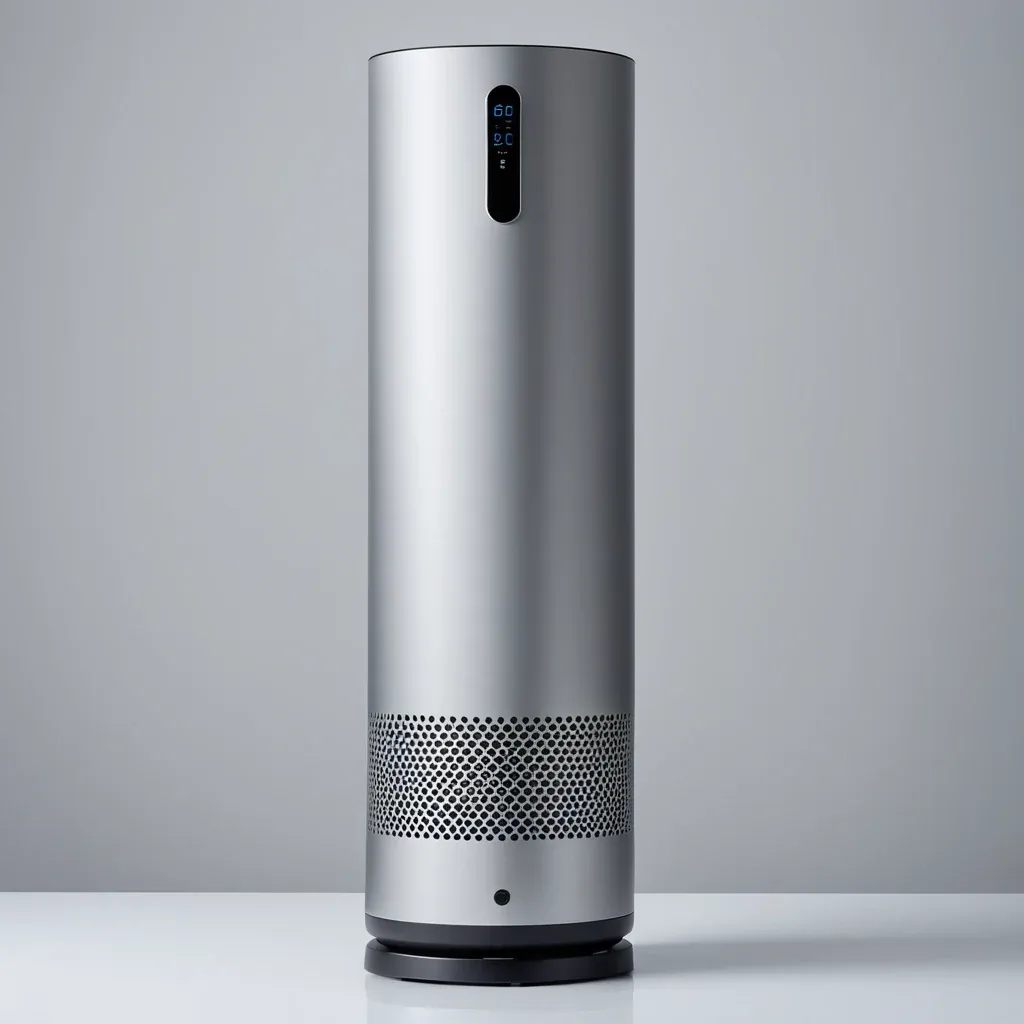
Airpura
Carbon-forward purifiers with deep filter beds, including impregnated-carbon options built to adsorb gases and VOCs, not just particles.
Use it when: When formaldehyde or solvent off-gassing is the problem, not only dust.
Shop Airpura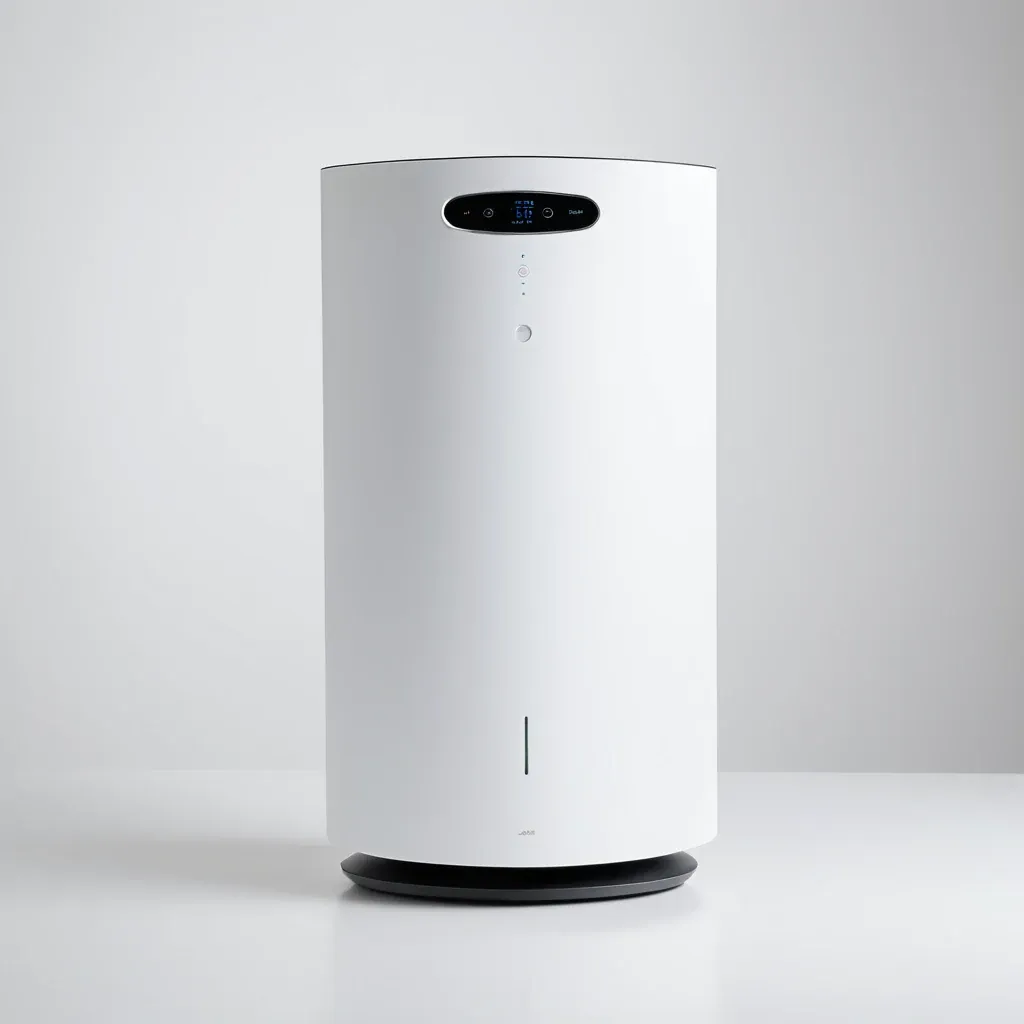
AirDoctor
A high-efficiency purifier pairing an UltraHEPA stage with a carbon/VOC stage, sized for living rooms and bedrooms.
Use it when: When you want to lower airborne particles and odors in a main living space.
Shop AirDoctorLooking for the right gear?
Browse the full toolkit by category.
Educational Disclaimer
This content is educational and does not constitute medical advice, diagnosis, or treatment. Mold-related illness is an area where the science is still developing — where a claim is contested, the article says so. Always work with a qualified clinician on health decisions, and with licensed professionals on remediation. Some links may be affiliate links; that never changes a recommendation.