Water Damage vs. New Construction, Side By Side

The new-versus-old argument usually gets fought on vibes. It resolves quickly once you put the two risks in the same table and notice they are not the same KIND of risk: one is unknown and permanent, the other is known and shrinking. You can settle most of it for a specific address with about sixty dollars of equipment — a pin-type moisture meter and a hygrometer, both of which sell for less than one bad decision and which you keep afterwards.
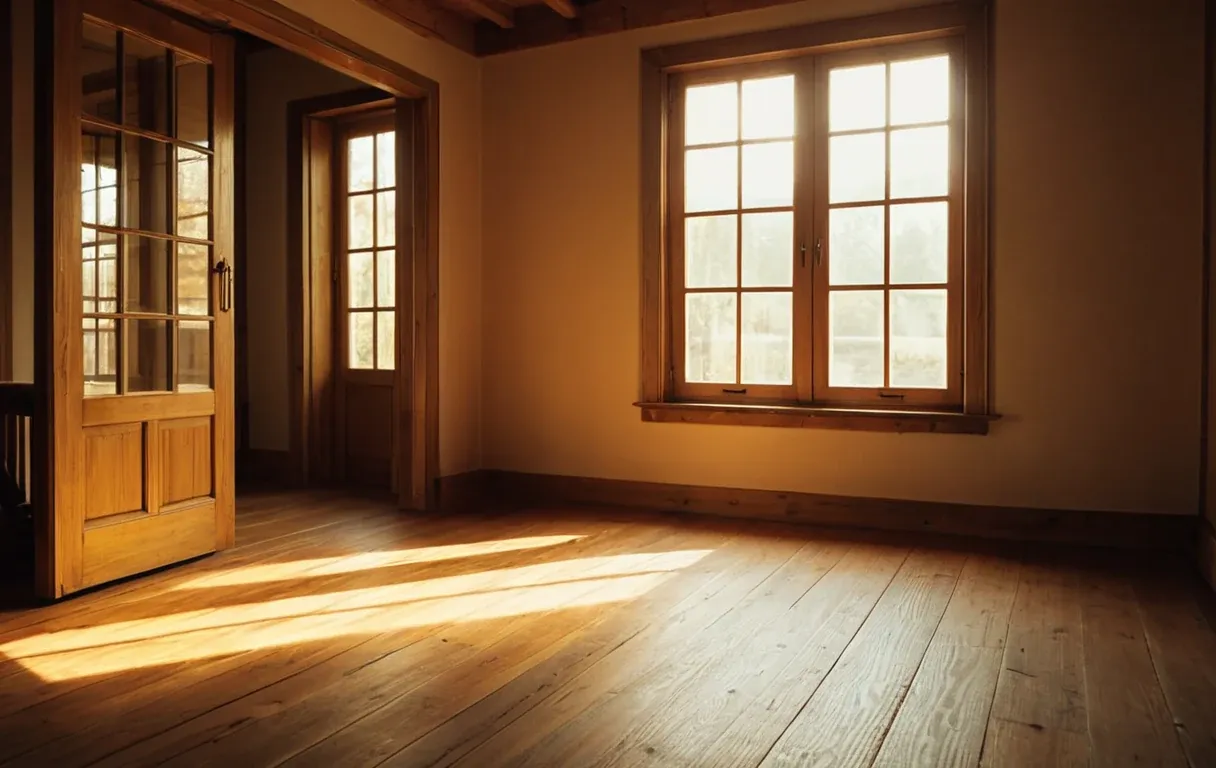
The two risks, side by side
- Water-damaged building: spores, fungal fragments, mVOCs and sometimes mycotoxins. Biological. Grows while the moisture lasts. Often invisible and inside the structure.
- New construction: formaldehyde from engineered wood plus solvent VOCs from paint, adhesives and finishes. Chemical. Released from materials, decaying over months.
- Direction of travel: the first gets worse until the water is fixed. The second gets better on its own, faster if you help it.
- What you can know: an older building's water history cannot be audited — you are trusting a disclosure. A new build's chemical load is front-loaded, measurable, and predictable.
- What it responds to: the first responds to finding and stopping water. The second responds to ventilation and gas-phase carbon.
Why that asymmetry decides it for most people
For most people with a mold sensitivity, a newly built home is a better starting point than an older one — not because new construction is clean, but because known-and-shrinking beats unknown-and-permanent. A clean baseline is also worth something on its own: if you test a new building and the result is clean, that result actually means something, because there is no decade of quiet condensation behind it for the test to have missed.
Where the new build can still lose
The comparison is conditional, and the condition is specific: was this building constructed dry? Wet framing closed in behind drywall is the failure mode that quietly undoes the entire “no water history” advantage, and it is invisible on a walkthrough. A tight, well-sealed envelope also concentrates everything indoors unless mechanical ventilation — an ERV or HRV — is actually commissioned and running, not merely installed. And a brand-new building has no track record: an older unit has already revealed its failure modes, while a new one has not revealed any yet.
Settling it for one specific address
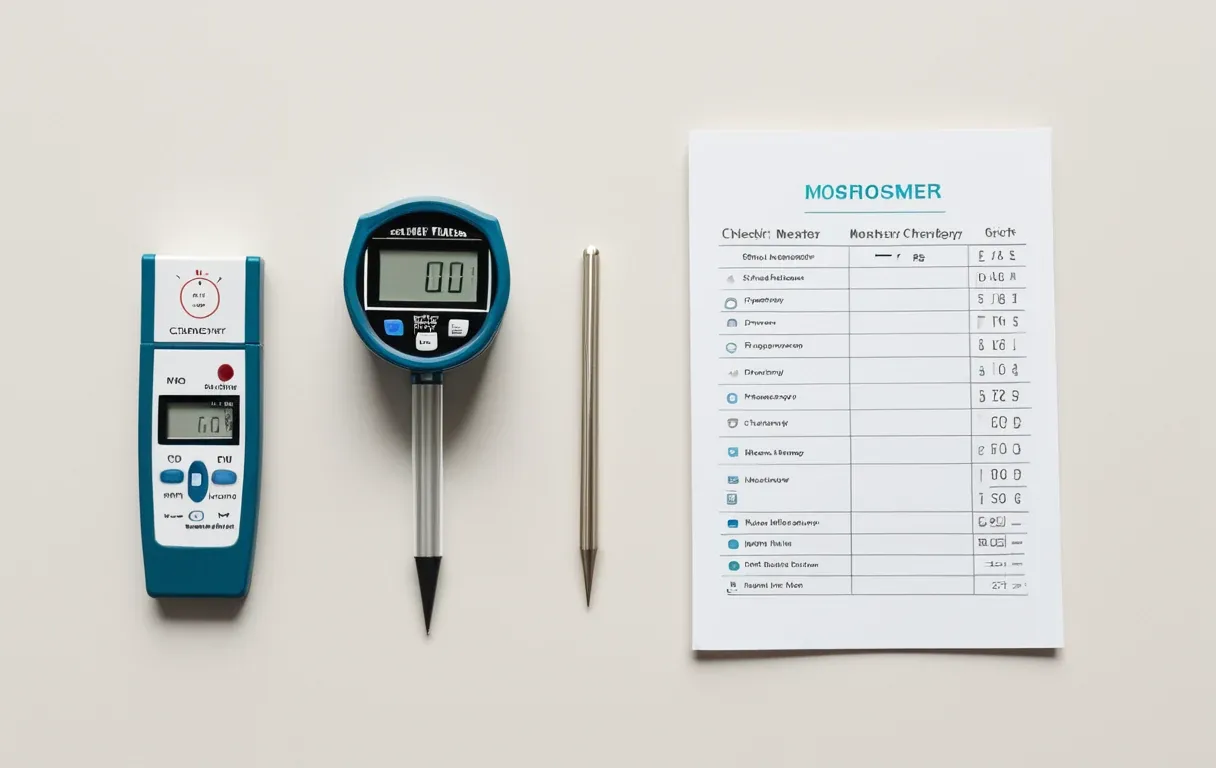
- Moisture-meter the suspect areas: under sinks, patio-door thresholds, weather-facing sills, the HVAC condensate pan, the water-heater pan, the base of exterior walls. Wood under 15% is fine; over 19% is stop-and-investigate.
- Hygrometer in the living space. 30–50% is the band.
- Smell test, deliberately: musty and earthy points at growth; sharp and chemical points at off-gassing. Smell inside closed cabinets specifically.
- Ask the builder IN WRITING whether the framing was rained on during construction and whether its moisture was verified before the walls were closed. A meter reading is a snapshot; this question covers the months you were not there.
Those four cover most of the real risk. What each kind of test can and cannot tell you afterwards is in which mold test tells you what — and if you want a lab-analyzed air sample on the water-damage side, GOT MOLD? is the straightforward version.
The thread running through both
New or old, the real question is whether the building is dry. Mold is a moisture problem, not a cleaning problem (the full argument), and the same 30–50% band that prevents mold also slows off-gassing. If a space will not hold that band on its own, a right-sized dehumidifier is a better health purchase than a second air purifier.
The decision, in one line: it is not new versus old. It is dry versus wet, and managed versus ignored. The full version of this decision, with the one-hour pre-signing protocol, is the new-home decision guide; the water-damage side in detail is what a water-damaged building exposes you to; the chemical side is what a new build off-gasses.
This article is educational and environmental information. It does not diagnose, treat, or prevent any condition. Work with a qualified clinician on health decisions and with licensed professionals on remediation.
Sources and further reading
This article is educational guidance, not medical advice. The primary sources below inform this section of the site — each is republished here in full, and linked to the original publisher so you can read it at the source.
- EPA — What Are Volatile Organic Compounds (VOCs)? — original at epa.gov
- EPA — VOCs' Impact on Indoor Air Quality — original at epa.gov
- CPSC & EPA — The Inside Story: A Guide to Indoor Air Quality — original at cpsc.gov
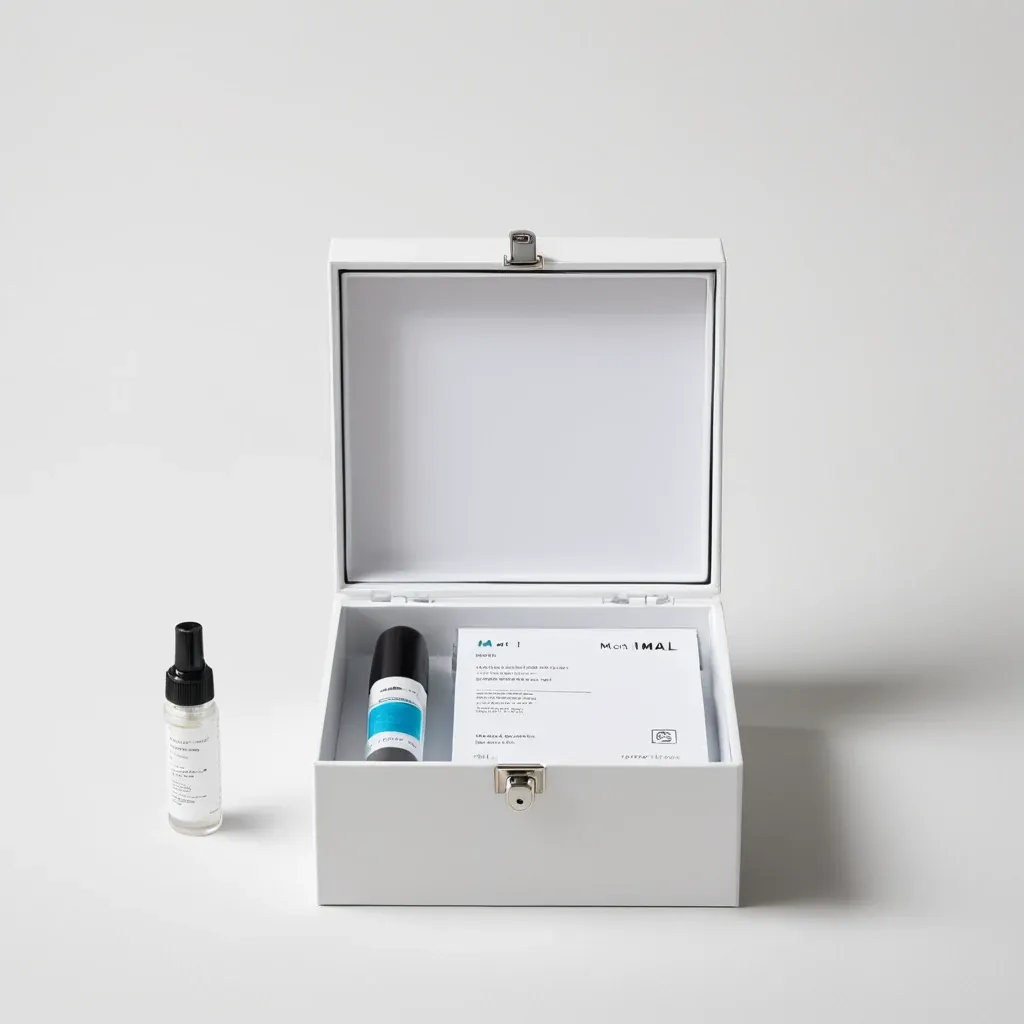
GOT MOLD?
A mail-in air-sampling kit that collects a room's airborne spores for independent lab analysis.
Use it when: When you want a clear, calm read on what's actually in the air.
Shop GOT MOLD?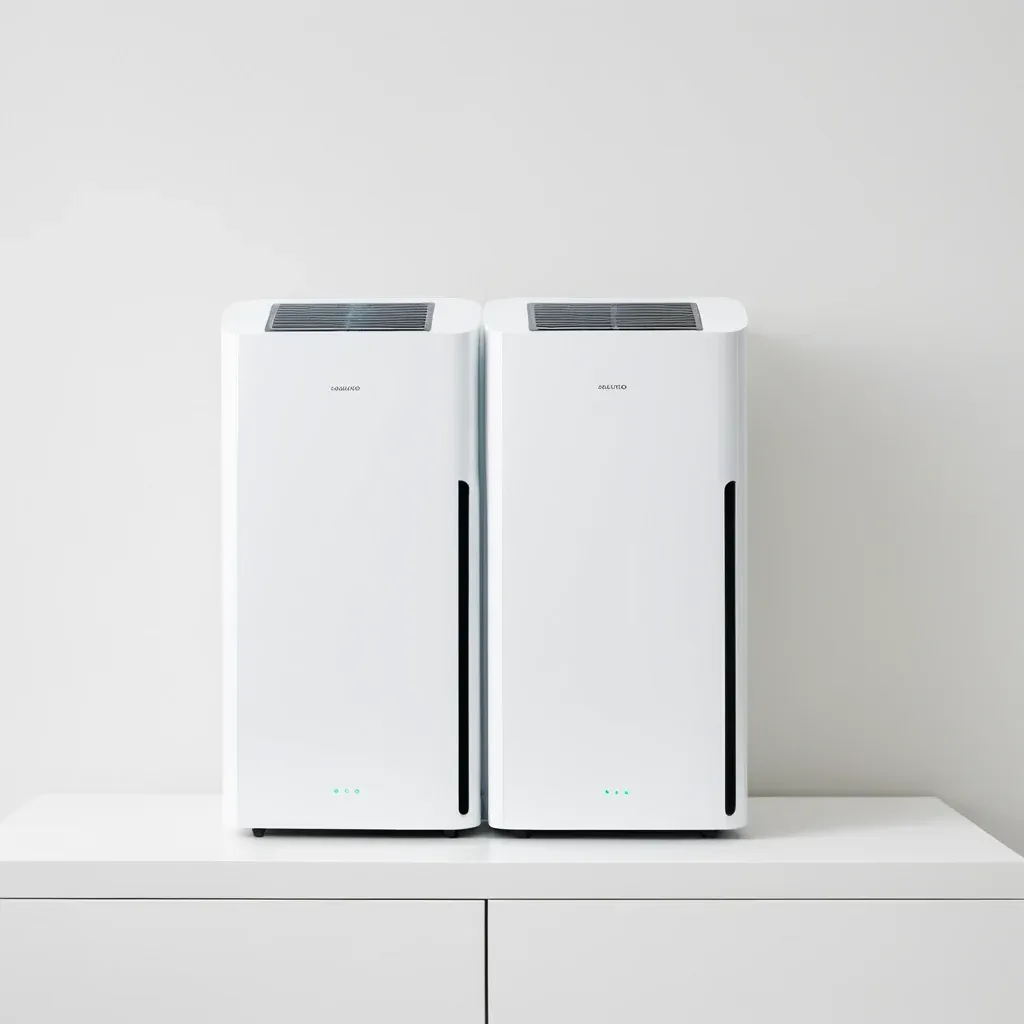
Sylvane
A specialty retailer for air purifiers, dehumidifiers, and filters, with staff who know the mold-specific gear.
Use it when: When you'd rather compare purifiers and dehumidifiers in one place.
Shop at SylvaneLooking for the right gear?
Browse the full toolkit by category.
Educational Disclaimer
This content is educational and does not constitute medical advice, diagnosis, or treatment. Mold-related illness is an area where the science is still developing — where a claim is contested, the article says so. Always work with a qualified clinician on health decisions, and with licensed professionals on remediation. Some links may be affiliate links; that never changes a recommendation.