Your First 90 Days In A New Home, Month By Month

The highest-value moves in your first ninety days cost nothing: open the windows, open the cabinets, and watch the humidity. Equipment comes after that, not instead of it. The one purchase worth making in week one is the cheapest thing on the list — a hygrometer, which costs less than a takeaway dinner and turns the whole project from guesswork into a number you can act on.

Week 1 — dilute, and open everything
Ventilation is the whole game early on: indoor concentration is production divided by air exchange, and in week one production is at its peak. Cross-ventilate so air moves through the house rather than sitting in it — two openings on different sides beat one window wide open. Then open every cabinet door and every drawer and leave them open, because formaldehyde concentrates in closed casework and that casework is not part of the house's air exchange until you open it.
If you have a mechanical ventilation system, confirm it is actually running and was commissioned, not just installed. A tight, well-sealed envelope with an uncommissioned ERV concentrates everything indoors — the failure mode is silent, because the box is present and the label is on it.

Weeks 2–4 — set the band, take the baseline
Put the hygrometer somewhere you will actually look at it and hold 30–50%. That one band does two jobs: it is the range that prevents mold, and higher humidity also accelerates off-gassing. If a space will not hold the band on its own, that is a moisture job rather than a filtration one, and a right-sized dehumidifier does more for you than another purifier.
Take your baseline moisture readings in the same weeks, while the house is new to you and you are still paying attention: under every sink, the patio-door threshold, weather-facing sills, the HVAC condensate pan, the water-heater pan, the base of exterior walls. Wood under 15% is fine; over 19% is stop-and-investigate. Write the numbers down. A single reading is a snapshot; the same spot re-read in month three is information.
Month 2 — filtration, where you sleep
By now ventilation has taken the fast solvents out and what remains is the slow tail from engineered casework. This is where filtration earns its place, and where the media matters more than the machine: HEPA captures particles and does nothing to a gas, so a new build's problem needs activated carbon, ideally impregnated for formaldehyde (the full argument).
Put the first unit in the bedroom rather than the living room. It is the room you occupy longest with the door shut, which makes it both the worst case and the cheapest to fix. A whole-room unit like AirDoctor covers both particle and gas duty adequately; if formaldehyde is clearly the whole problem, a dedicated carbon unit is the better spend.
Month 3 — reassess honestly
By month three the curve should be well down. Judge it by direction rather than by the calendar: are you better than month one? Is the smell fading? Reassess the same moisture spots you baselined and compare the numbers, not your memory of them.
And apply the one test that matters most: off-gassing decays, a moisture problem does not. If month three is worse than month one, stop assuming off-gassing and start looking for water. The two feel identical from the inside — that is exactly why the instruments exist (why they feel identical).
The checks that never stop
- Monthly: a flashlight under every sink, and a glance at the hygrometer.
- Seasonally: the same moisture spots you baselined, plus the HVAC condensate pan.
- After any leak, however small: dry it within a day or two, because that is the window in which a spill stays a spill.
- After heavy weather: the base of exterior walls and any below-grade space.
Ninety days of deliberate management, and then it is just a house you know the numbers for. The full decision this sits inside is the new-home guide; what you are actually clearing is in what a new build off-gasses.
This article is educational and environmental information. It does not diagnose, treat, or prevent any condition. Work with a qualified clinician on health decisions and with licensed professionals on remediation.
Sources and further reading
This article is educational guidance, not medical advice. The primary sources below inform this section of the site — each is republished here in full, and linked to the original publisher so you can read it at the source.
- EPA — What Are Volatile Organic Compounds (VOCs)? — original at epa.gov
- EPA — VOCs' Impact on Indoor Air Quality — original at epa.gov
- CPSC & EPA — The Inside Story: A Guide to Indoor Air Quality — original at cpsc.gov
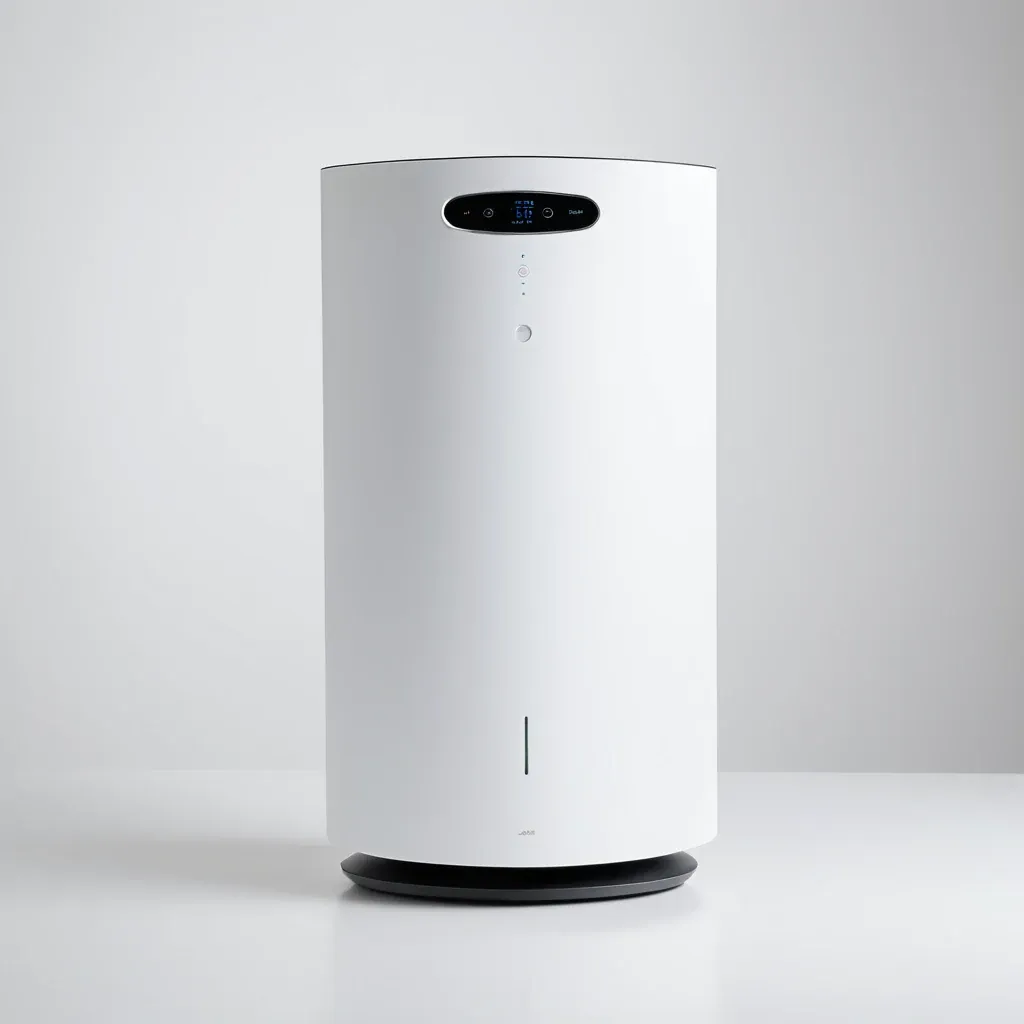
AirDoctor
A high-efficiency purifier pairing an UltraHEPA stage with a carbon/VOC stage, sized for living rooms and bedrooms.
Use it when: When you want to lower airborne particles and odors in a main living space.
Shop AirDoctor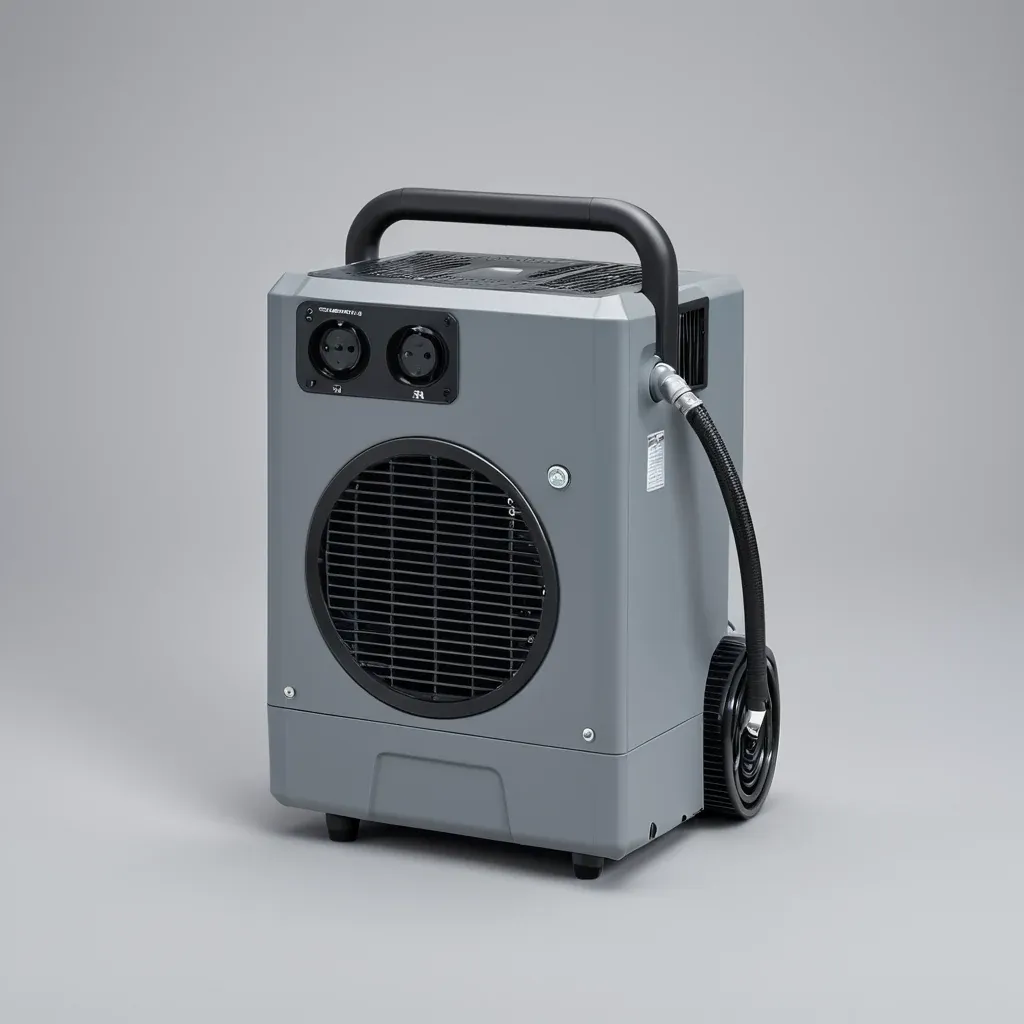
AlorAir Crawlspace
A compact crawl-space dehumidifier with a condensate pump for tight, humid under-house areas.
Use it when: When a crawl space needs continuous, hands-off moisture control.
Shop AlorAir CrawlspaceLooking for the right gear?
Browse the full toolkit by category.
Educational Disclaimer
This content is educational and does not constitute medical advice, diagnosis, or treatment. Mold-related illness is an area where the science is still developing — where a claim is contested, the article says so. Always work with a qualified clinician on health decisions, and with licensed professionals on remediation. Some links may be affiliate links; that never changes a recommendation.